Apple CEO John Ternus says Apple won’t ship AI for AI’s sake
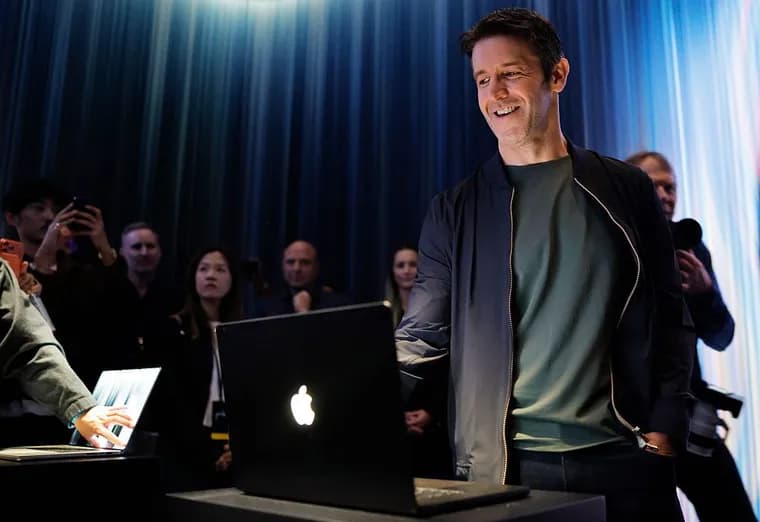
In a recent interview with Wired’s Steven Levy, Apple CEO John Ternus defended Apple’s current position in AI, as reported by TechCrunch. Over the past couple of years Apple has often been described as behind on AI, especially after it delayed a more powerful version of Siri, which finally launched this summer.
Ternus is a longtime Apple executive who officially became CEO at the beginning of September. He acknowledged that “everyone has an opinion” about Apple’s AI standing, but insisted: “I really like where we’re at.”
He added that Apple is “absolutely going to leverage AI” in its new products. But he set a condition: “We don’t want to ship AI for AI’s sake. When we’re doing it right, people won’t have to think about whether it was AI that made this happen or more traditional software. What matters is, did we build something that they really love?”
Levy then pressed him on whether AI might affect Apple and its ecosystem more dramatically, with agents potentially making things like apps unnecessary. Ternus replied: “That could make life really easy, I suppose, but the creation of products is a deeply human and personal thing, something that we love to do.”
The piece is quotes and positioning. No specific Apple AI products, features or release plans are named beyond the delayed Siri.
Key facts
- Apple CEO John Ternus told Wired’s Steven Levy he likes where Apple is on AI, while acknowledging that “everyone has an opinion”.
- Ternus said Apple is “absolutely going to leverage AI” in new products, but “We don’t want to ship AI for AI’s sake.”
- His test for success: people shouldn’t have to think about whether AI or traditional software made something work, only whether Apple built something they love.
- Asked whether agents might make apps unnecessary, he said that “could make life really easy, I suppose”, but called product creation “a deeply human and personal thing”.
- Ternus, a longtime Apple executive, officially became CEO at the beginning of September; the more powerful Siri that had been delayed finally launched this summer.
Why it matters
This shows how Apple’s new CEO frames the company’s AI strategy in public. Apple has often been described as behind on AI over the past couple of years, partly because it delayed a more powerful Siri that only launched this summer. Ternus answers that criticism by rejecting the idea of shipping AI for its own sake and judging it by whether people love the product.
Who it affects
Apple customers and anyone tracking Apple’s product direction, since Ternus says AI will show up in new products without necessarily being the headline. The question about agents making apps unnecessary also touches Apple’s ecosystem and the people who build for it, though Ternus did not say apps will or will not become unnecessary.
How to use it
There is nothing to use yet: this is a statement of stance, not a launch. No specific Apple AI products, features or release plans are named beyond the delayed Siri. Readers can treat it as a yardstick for upcoming Apple releases: AI that disappears into the product rather than being sold as AI.
How solid is it
The account comes from TechCrunch’s report on a Wired interview by Steven Levy, with Ternus quoted directly. The source does not give the interview date beyond “recent”, and it does not say what the interview contained beyond the quoted passages. The description of Apple as behind on AI is TechCrunch’s framing, not Ternus’s.
Risks and caveats
These are words, not products, and no numbers, financials or timescales are given. Ternus’s answer on agents is hedged (“could make life really easy, I suppose”) and does not engage directly with whether apps would lose their role. Defending the current position is also what a CEO would be expected to do, so the quotes alone say little about what Apple will actually ship.
“We don’t want to ship AI for AI’s sake.”
— John Ternus, Apple CEO, in an interview with Wired’s Steven Levy