AMI Labs and World Labs won't say what they're building
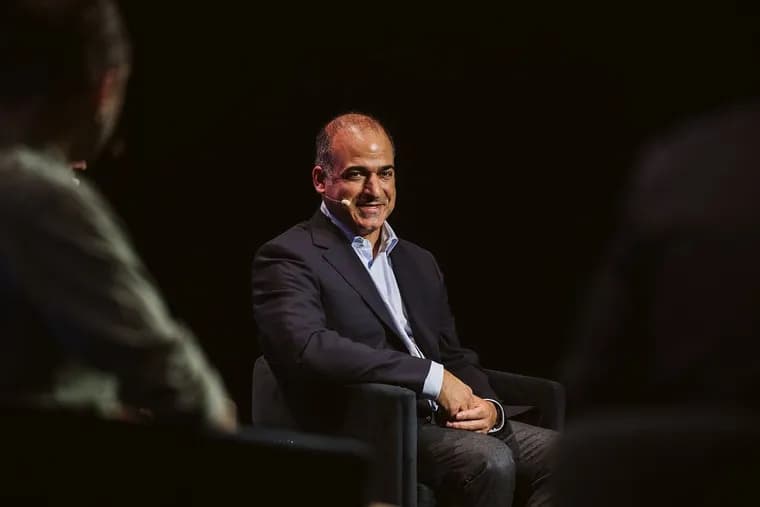
A TechCrunch reporter moderated a panel on world models at the All In conference and came away struck by how little the field's two best-funded players, Yann LeCun's AMI Labs and Fei-Fei Li's World Labs, will say about commercializing the technology. World models aim to automate spatial intelligence, a capability that could feed robotics, self-driving systems and interactive video, but neither company will name a specific product direction.
Michael Rabbat, a co-founder of AMI Labs and the company's VP of World Models, joined the panel and was pressed on what AMI is actually building. His answer: "We'll talk about it when we're ready to talk about it." Asked again by email, he added, "We're still in a research and building phase, so we're not talking publicly about any product plans or timeline." The reporter notes AMI is less than a year old, which he says makes the silence understandable for now.
World Labs is further along: its Marble platform is, in the reporter's assessment, probably the most developed product in the world-model space, with demos spanning media creation, explorable environments for video games and CGI effects, plus some robotics use cases. Even so, the reporter reads the platform as built more to showcase what the technology can do than to signal a specific commercial bet.
The secrecy extends down the supply chain. Alex de Vigan, CEO of Physicl, a data supplier to world-model companies, told the reporter on the sidelines of the same conference that he doesn't know what his own customers are building with his data. "I wish they would tell us more. We could build more useful data if we knew what they were working on," he said.
The reporter's read on the motive is competitive rather than technical. AMI has already touched manufacturing, biomedicine, robotics and, through a partnership with Nabia, AI software for doctors, and he speculates one or two of those may be the real focus, though the source gives no confirmation either way. As long as fundraising stays easy, he argues, there's no pressure to commit publicly to one direction, and doing so risks drawing in rivals: other world-model startups, the so-called neolabs, and eventually OpenAI and Anthropic. He compares it to the "dark forest" scenario from Cixin Liu's fiction: if you don't know who else is in the woods, staying quiet is the safer move.
Key facts
- AMI Labs (Yann LeCun) and World Labs (Fei-Fei Li) are the best-funded, highest-profile players in world models but disclose little about how they'll commercialize the technology.
- AMI co-founder and VP of World Models Michael Rabbat declined to specify the company's product plans, saying only "we'll talk about it when we're ready to talk about it."
- World Labs' Marble is described as the most developed product in the space, with demos in media creation, explorable game environments and CGI effects, plus some robotics use cases.
- Physicl CEO Alex de Vigan, whose company supplies data to world-model firms, says even suppliers aren't told what the data is being used to build.
- The reporter frames the industry's silence as a competitive strategy: naming a specific commercial direction risks drawing in rivals, including OpenAI and Anthropic, while easy fundraising continues.
Why it matters
World models are pitched as a general capability for spatial intelligence that could underpin robotics, self-driving systems and interactive video and CGI production, a genuinely large commercial surface. But the two companies furthest along, AMI Labs and World Labs, are both deliberately vague about which of those directions they intend to pursue, which makes it hard for the market, including competitors, partners and observers, to gauge where the technology is actually headed commercially.
Who it affects
AMI Labs, World Labs and their backers are the direct subjects. Physicl, a data supplier to the sector, is affected as a business partner kept in the dark about how its own data is used. The framing also implicates the wider competitive field the reporter names: other world-model startups, unnamed "neolabs," and eventually OpenAI and Anthropic, all of whom could be drawn into the space once a viable commercial path becomes visible.
How to use it
There is no product, pricing or timeline to act on here. AMI Labs has stated outright it is not discussing product plans or a timeline; World Labs' Marble is available as a demo-stage platform (media creation, explorable environments, CGI effects) rather than a defined commercial offering. Anyone tracking the sector should treat both companies' near-term roadmaps as undisclosed rather than absent.
How solid is it
The reporter moderated the panel firsthand and got on-the-record quotes directly from Michael Rabbat (on-panel and by follow-up email) and separately from Physicl's Alex de Vigan, so the quoted material is first-hand. The broader interpretation, that the secrecy is a deliberate competitive strategy tied to easy fundraising, is the reporter's own analysis and is presented as such, not as something either company confirmed.
Risks and caveats
The piece discloses no funding amounts, valuations or revenue figures for AMI Labs, World Labs or Physicl. It does not say which one or two of AMI's touched areas (manufacturing, biomedicine, robotics, healthcare software via Nabia) are its actual priority; that is the reporter's speculation, not a confirmed focus. Nothing here indicates OpenAI or Anthropic are currently working on world models themselves; they are named only as plausible future entrants.
“We'll talk about it when we're ready to talk about it.”
— Michael Rabbat, co-founder of AMI Labs and the company's VP of World Models