Character.AI's bankruptcy is part of a Disney deal to hire its staff and license its tech
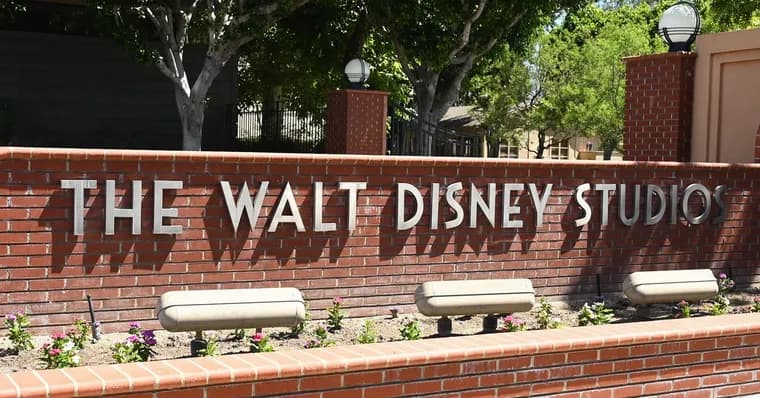
Character.AI declared bankruptcy this week, and while some read it as a bad sign for chatbot platforms, Wired reports that court filings show it was a key part of a deal that has let Disney hire most of the startup's staff, including its now former CEO Karandeep Anand, potentially acquire most of its technology, and avoid its many legal liabilities. The company had faced multiple private lawsuits over chatbot safety and investigations by regulators around the world. In a declaration filed with the bankruptcy, Character.AI's newly appointed CEO (not named in the article) said the goal was a 'consensual resolution' with personal injury claimants and a group of states investigating the company, while maximizing the value of the company's assets for shareholders.
The filings describe 'two interrelated and integrated' transactions, one before the bankruptcy and one after. In the first, in September, Disney paid the startup $5.5 million plus a refundable 'good faith deposit' of $2 million. Disney also hired the 'majority' of Character.AI's employees, the CEO among them, and agreed to let some of the now-Disney staff help keep Character.AI operational for five months. Character.AI filed its chapter 11 petition on October 12.
Through the bankruptcy, Disney hopes to secure a perpetual, worldwide, nonexclusive license to a huge range of Character.AI's code, documentation, frameworks, tools and 'other artifacts', including those for its trust and safety moderation stack, training infrastructure and age-prediction technology. The IP list in the filings does not include users' data, which can get extra protection in bankruptcy, or the Character.AI website. The license will be auctioned in the coming months. If Disney is chosen as winning bidder by Character.AI and a committee of unsecured creditors, and the courts approve, it has agreed to pay an additional $12.5 million as a closing payment. If it is not chosen, it gets the $2 million deposit back and receives a breakup fee (the amount is not given). To 'preserve a competitive process', Disney also agreed to let the winning bidder interview, and potentially make offers to, up to 80 percent of 'certain newly hired employees' that Disney took on from Character.AI; Disney chooses which employees. Unnamed experts, per Wired, worry that moving employees between companies within months is unrealistic and that the arrangement cannot be easily unwound.
Disney also drafted a court order, called the '363 Free and Clear Order' in the filings, that would be approved at or before closing. It would state that the process is not a merger of the two companies and that Character.AI remains responsible for 'any liability or other obligation', including legal claims. Wired says the deal seems structured so that whatever is left of Character.AI keeps the legal battles, some still ongoing. A motion by Character.AI's counsel says Disney required the deal to be 'fully consummated' through bankruptcy because of the startup's 'diminishing cash reserve and significant litigation and regulatory risks'. A Character.AI spokesperson referred Wired to Disney on whether the deal depended on bankruptcy; Disney declined to comment.
Wired calls the structure a new twist on a 'reverse acquihire', in which a buyer orchestrates a series of deals to hire key employees and get an expansive license to the target's technology, leaving the target a husk. Companies often argue such deals are not mergers and need not be reported to federal antitrust regulators, and the practice has become more common in AI, drawing the ire of Congress. John Newman, a law professor at the University of Memphis School of Law and a former deputy director of the FTC's Bureau of Competition, says decades of corporate law exist for the buyer who wants all the assets and none of the liability, but this extremely unusual deal is built in a way those safeguards 'really weren't built to guard against'.
It is not Character.AI's first reverse acquihire. In August 2024 Google reportedly paid $2.7 billion to license its technology. A Google spokesperson says that license covered the AI technology existing at the time, and that Google also hired the founders and other members of the ML pre-training research team, while the 'vast majority' of employees stayed. Google was later named with Character.AI in several lawsuits, including one alleging a 14-year-old boy killed himself after the chatbot 'cultivated an emotionally dependent and sexually exploitative relationship'. Google argued it was a separate company and not responsible, saying the death came before its licensing deal; the judge was not persuaded, finding the plaintiff sufficiently alleged Google was liable for aiding and abetting. In January this year Google and Character.AI agreed in principle to settle that case and many similar ones. A California probate court approved the overall settlement in July, and on October 11, a day before the bankruptcy filing, a referee approved each individual settlement. Settlement amounts are not given.
The backstory in the filings: Character.AI lost key staff after the Google deal and, per the current CEO, struggled with profitability 'at all times', though it kept building tools such as real-time audio-driven FaceTime-style video generation with fictional characters. In August 2025 it worked with an investment banker to find a strategic buyer or investor and got 'consistent feedback' that its product and user base were 'impressive' but that litigation and 'regulatory overhang' made it unbuyable. That November it learned a coalition of state attorneys general had begun investigating; by the bankruptcy filing, 46 states and territories were involved. A notice of interest filed by the National Association of Attorneys General on behalf of 40 states says the investigations found 'serious issues', including screenshots of chatbots encouraging minors to hide self-harm injuries and kill their parents. A Character.AI spokesperson says the filing 'is not an accurate portrayal of the safety of our platform'. The company was negotiating with the states but reached no agreements before filing.
If the deal is completed and approved, Wired writes, Disney will have both the staff and much of the technology stack but will be able to sidestep the legal issues behind Character.AI's downfall, including the multistate investigation. The states have reserved their rights to challenge any bankruptcy plan, potentially setting up a fight over the outcome.
Key facts
- Per court filings reported by Wired, Character.AI's October 12 chapter 11 filing is part of a two-transaction deal with Disney, which hired most of its staff, including CEO Karandeep Anand, in September.
- Disney paid $5.5 million plus a refundable $2 million deposit up front, and would pay another $12.5 million at closing if it wins the auction for a perpetual, worldwide, nonexclusive license to much of Character.AI's code and tools, and courts approve.
- A draft '363 Free and Clear Order' would state the process is not a merger and that Character.AI remains responsible for any liability, including legal claims; the IP list excludes user data and the website.
- A multistate investigation had grown to 46 states and territories, and the National Association of Attorneys General filed a notice of interest on behalf of 40 states, reserving the right to challenge any bankruptcy plan.
- Google reportedly paid $2.7 billion in August 2024 to license Character.AI's technology, making this its second reverse acquihire.
Why it matters
Wired presents the filings as a new twist on the 'reverse acquihire': the buyer takes the people and a broad technology license, and the legal exposure stays with what remains of the target. Here a bankruptcy is the mechanism, and the draft '363 Free and Clear Order' would state that Character.AI keeps any liability or obligation. John Newman, a law professor and former deputy director of the FTC's Bureau of Competition, calls the deal extremely unusual and says corporate law safeguards were not built to guard against it. Reverse acquihires have become more common in AI and have drawn the ire of Congress, per Wired.
Who it affects
Character.AI's employees, most of whom Disney hired in September, and who may be offered to the winning bidder if it is not Disney (up to 80 percent of certain newly hired staff, at Disney's selection). Personal injury claimants and the states investigating the company, who face a Character.AI that is stripped of staff and technology yet still carries the liabilities. Disney, which stands to gain the technology license. Other AI startups and acquirers watching how such deals are structured. Users' data is not on the IP list in the filings.
How to use it
This is not a product or tool, so there is nothing to adopt. What to follow: the auction of the license, which is due in the coming months; whether Disney is chosen as winning bidder by Character.AI and the committee of unsecured creditors; court approval of the deal; and whether the states carry out their stated intention to challenge a bankruptcy plan.
How solid is it
The account rests on court filings, including a motion by Character.AI's counsel, the new CEO's declaration, and a notice of interest from the National Association of Attorneys General. Wired hedges its own framing: the deal 'seems' structured to leave liabilities with Character.AI, and the move 'appears' to be a reverse acquihire. Disney declined to comment, and Character.AI referred Wired to Disney on whether the deal was contingent on bankruptcy, so Disney's own account is not in the piece. Wired does not say Disney broke any law. The exact number of employees hired, the breakup fee and the date of the auction are not given.
Risks and caveats
The outcome is not settled: the license goes to auction, Disney may not win it, and courts must approve. The states say they reserve their rights to challenge any bankruptcy plan, which could set up a fight. Experts worry that moving employees from one company to another within months is unrealistic and that the deal cannot be easily unwound. Character.AI disputes the attorneys general's portrayal of its platform's safety, saying the filing 'is not an accurate portrayal of the safety of our platform'. The allegations about chatbots come from the states' notice of interest and from lawsuits, and the settlement terms with plaintiffs are not public in the article.
“It’s bad for society to let companies exercise control without responsibility. And that’s what it looks like.”
— John Newman, law professor at the University of Memphis School of Law and former deputy director of the FTC's Bureau of Competition