Hikers rescued on Mount Shasta after Gemini underplanned their food and water
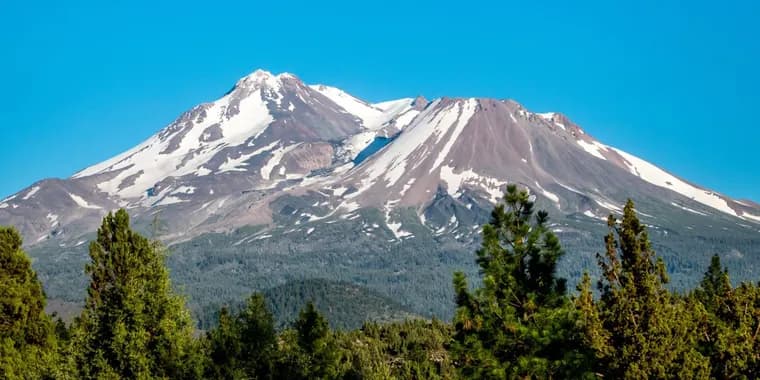
Three young men were rescued from Mount Shasta in California this week after using Google's Gemini chatbot to plan their climb, according to a report from the Siskiyou County sheriff's office cited by the Chicago Tribune and relayed by TechCrunch. The group set off at 3am, planning an eight-hour ascent. Hikers on the mountain are told to turn around if they have not reached the summit by noon, but the trio did not reach the top until 7pm. They then tried to descend in the dark, called the sheriff's office to ask for directions, and ended up spending the night in Mud Creek Canyon. Forest Service rangers and volunteers rescued them the next morning. The sheriff's office said the hikers had been advised by Gemini to bring far less food and water than their group actually required, especially once the planned eight-hour ascent stretched into a multiday ordeal. TechCrunch notes it is not clear whether Gemini can take all the blame for the hikers' decisions that day. The sheriff's office used the incident to renew a standing piece of advice: call the local US Forest Service Mount Shasta ranger station ahead of a trip for accurate, current conditions, and never rely solely on AI for trip planning.
Key facts
- Three hikers set off up Mount Shasta at 3am planning an eight-hour ascent, but did not summit until 7pm, well past the noon turnaround time hikers are advised to observe.
- The Siskiyou County sheriff's office said Gemini had advised the group to bring far less food and water than they actually needed.
- The hikers tried to descend in the dark, called the sheriff's office for directions, and spent the night in Mud Creek Canyon before being rescued.
- Forest Service rangers and volunteers rescued the group the following morning.
- The sheriff's office urged hikers to call the local USFS ranger station ahead of a trip and never rely solely on AI for trip planning.
Why it matters
The incident is a concrete case of an AI chatbot's output translating directly into physical danger: underestimating food and water needs for a mountain ascent left three people stranded overnight rather than merely giving them a wrong answer on a screen. It puts a real cost, a night in a canyon and a rescue operation, behind the generic warning that AI assistants can be confidently wrong about specialized, safety-critical tasks.
Who it affects
Directly, the three hikers involved and the Forest Service rangers and volunteers who carried out the rescue. More broadly, it is a caution for anyone using general-purpose chatbots like Gemini to plan activities where getting logistics like food, water, or timing wrong has physical consequences: backcountry hiking, mountaineering, and similar outdoor trips.
How to use it
The sheriff's office statement doubles as practical guidance: call the local ranger station, in this case the USFS Mount Shasta station, ahead of a trip to get accurate, current information, and do not rely solely on an AI chatbot for trip planning. The report does not describe what prompt the hikers used or which version of Gemini, so there is no specific workaround to point to beyond that general advice.
How solid is it
The account comes from the Siskiyou County sheriff's office, as reported by the Chicago Tribune and relayed here by TechCrunch, and includes direct quotes from the sheriff's office about what Gemini advised and about AI reliance generally. TechCrunch itself flags uncertainty about how much of the hikers' outcome can be pinned on the chatbot's advice versus their own decisions, such as starting at 3am and continuing to the summit well past the recommended noon turnaround.
Risks and caveats
The source does not specify the exact itinerary or route Gemini suggested beyond the food-and-water shortfall, nor which version of Gemini was used or how it was prompted, so the precise failure mode is unclear. The sheriff's office's quote describes what Gemini advised rather than issuing a formal finding that the chatbot bears sole responsibility, and TechCrunch explicitly notes that other factors, including the hikers' own timing decisions, plausibly contributed to how the trip went wrong.
“It is always advisable to call the local USFS Mount Shasta ranger station ahead of your trip to ensure you have the most accurate information, and to never rely solely on AI for your trip planning.”
— Siskiyou County sheriff's office