INDXcoin creators charged with fraud after 500+ investors lose over $3 million
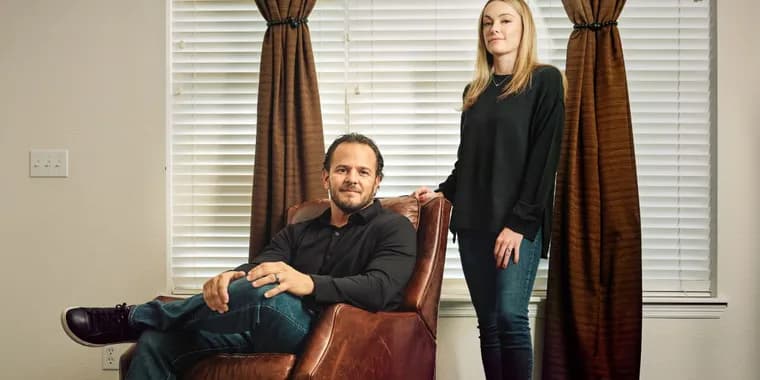
Eli Regalado, a pastor in Colorado, and his wife Kaitlyn say God speaks to them directly and has guided decisions ranging from their marriage to the name of Eli's old marketing firm. In 2021, when Eli was 41 and Kaitlyn was 28, that guidance turned toward cryptocurrency. That October, Eli's sister and her husband gave the couple a stake in a little-known digital coin, and Eli says he heard God tell him to take it to his people for a wealth transfer; the couple felt called to sell it to fellow Christians. Though they had no background in crypto, they went on to create their own coin, INDXcoin, learning as they went, and promoted it through family, friends and evangelical Christian networks.
Debbie Bonilla, a retired pharmacy technician in her 70s, and her husband Jose heard about INDXcoin from a minister and his wife who had also invested, and, starting in November 2022, withdrew a total of $70,000 from their retirement accounts to buy in. They were far from alone: in all, more than 500 people handed the Regalados more than $3 million. Within about a year of the Bonillas' purchase, the project collapsed, and investors who had entrusted the couple with large sums lost everything. "Poof, the money just evaporated," Debbie said. "Like, how does that happen?"
Colorado's securities commissioner, Tung Chan, filed a civil suit in Denver District Court in January 2024 accusing the Regalados of using investors' Christian faith to sell them a coin that was "essentially worthless." The suit alleges the couple spent around $1.3 million, nearly 40% of the money raised, on personal expenses including high-end vacations, designer clothing, jewelry, cosmetic dental work, a Range Rover, an au pair and home renovations. In July 2025, Denver's district attorney charged the couple with 40 felonies, including theft, racketeering and securities fraud; they face decades in prison if convicted. The Regalados deny any wrongdoing and say they were only following instructions from God. "If you think following the Lord is reckless, then yeah, we were very reckless," Eli said. "Because we just listened and did what the Lord said to do."
The case fits a wider pattern investigators call affinity fraud, in which schemes target religious or ethnic communities through existing trust rather than any technical pitch. As Tung Chan puts it, the ties and trust people have with each other are exactly what the people running such scams play on. The reporting cites parallel cases: a couple accused of defrauding mostly Haitian immigrants of more than $1 billion, an Instagram influencer who allegedly took more than $12 million from Muslim followers, and a Miami pastor charged with stealing from his Spanish-speaking congregation.
Crypto fraud overall is rising. Analytics firm Chainalysis says scammers collected at least $14 billion worldwide in 2025, up 17% from the year before, and the FBI says victims of fraudulent crypto investment schemes have reported $7.2 billion in US losses. Launching a coin has become nearly effortless: more than 3 million new cryptocurrencies were minted in August 2026 alone, according to CoinMarketCap. Oversight, meanwhile, is split across the CFTC, the SEC, the Financial Crimes Enforcement Network and other agencies, each with its own tests and definitions, says University of Arkansas law professor Carol Goforth.
That oversight is also loosening. After the crypto industry spent about $135 million backing crypto-friendly candidates in the 2024 election cycle, the Justice Department disbanded its crypto-crimes unit and the Trump White House set up a working group aimed at "eliminating regulatory overreach on digital assets." The SEC has dropped or retreated from most of its active lawsuits against crypto firms, including some with financial ties to the president, according to the New York Times, and Reuters has estimated that Donald Trump and his family have netted at least $2.3 billion from their crypto ventures since his reelection. In August 2026, the SEC proposed new rules that would narrow which crypto transactions count as securities in the first place. American University law professor Hilary Allen argues that, stablecoins aside, crypto assets are essentially Ponzi schemes with nothing behind them to make them valuable beyond drawing in more buyers.
Eli's account of divine guidance predates the coin. He says he first heard from God in 2002, at 22, while facing eight years in prison for stealing a Honda Civic; a judge suspended his sentence shortly after Eli heard a voice promise him probation. He built a career in sales and marketing; a former magazine editor once described him as "the most charismatic bullshitter I have ever met in my life." After years of drug use, what he describes as a nervous breakdown, and, by 2018, a fear of not becoming somebody that left him contemplating suicide, he turned to charismatic Christianity, renamed his marketing firm Grace Led Marketing, and in 2020 founded a church, Victorious Grace, broadcasting sermons on Facebook. He met Kaitlyn that same summer, at a party.
Key facts
- Colorado pastor Eli Regalado, then 41, and his wife Kaitlyn, then 28, say God turned their guidance toward cryptocurrency in 2021, and after Eli's sister and her husband first gave them a stake in another digital coin that October, they came to believe God wanted them to launch their own coin, INDXcoin.
- More than 500 investors, many recruited through evangelical Christian networks, handed the Regalados more than $3 million; the project collapsed within about a year, and investors lost everything they put in.
- Colorado's securities commissioner sued the couple in January 2024, alleging they spent about $1.3 million, nearly 40% of the money raised, on personal expenses including a Range Rover, an au pair and home renovations.
- Denver's district attorney charged the Regalados with 40 felonies in July 2025, including theft, racketeering and securities fraud; they face decades in prison if convicted and deny any wrongdoing.
- The case coincides with a rise in crypto fraud (Chainalysis counts at least $14 billion in worldwide scam proceeds for 2025, up 17%, and the FBI has logged $7.2 billion in reported US losses) and a pullback in federal enforcement, including the Justice Department disbanding its crypto-crimes unit and the SEC dropping or retreating from most of its active suits against crypto firms.
Why it matters
INDXcoin is a small case, but it lands inside a much bigger pattern. Launching a coin has become trivial (more than 3 million new cryptocurrencies were minted in August 2026 alone, per CoinMarketCap), so in this case, trust, not technology, is what drew investors in. At the same time, US enforcement is retreating rather than tightening: the Justice Department has disbanded its crypto-crimes unit, the SEC has dropped or retreated from most of its active lawsuits against crypto firms, including some tied to the president, and a new SEC proposal would narrow which crypto transactions even count as securities. The Regalados' prosecution is moving forward at the state level in Colorado even as broader federal oversight of exactly this kind of scheme is shrinking.
Who it affects
The more than 500 investors who bought INDXcoin, many recruited through churches and Christian family networks rather than independent crypto research, including Debbie Bonilla, a retiree, and her husband Jose, who together put in $70,000 of retirement savings. As Colorado securities commissioner Tung Chan puts it, "the ties you have with other people, the trust you have, is what the people who are running the scam play on." The pattern extends beyond this case: the reporting describes parallel schemes targeting Haitian immigrant and Muslim communities and another pastor's congregation, all through the same kind of in-group trust. It also affects US regulators and prosecutors, whose authority over crypto is already split across the CFTC, SEC and FinCEN and is now being narrowed further by a proposed SEC rule.
How to use it
There is no product to use here, only a pattern worth recognizing. A coin sold inside a closed community, a church, a family network, an ethnic or religious group, by someone the buyer already trusts, with no prospectus, no audited financials and no independent price discovery, is a classic setup for what regulators call affinity fraud, not a safer entry point into crypto. Before buying into a small-cap coin, it is worth checking whether the CFTC, the SEC or a state securities regulator has filed anything against the issuer, and treating an appeal to shared identity or faith as a warning sign rather than reassurance. As of this reporting, the source reports no outcome for either the civil case (filed January 2024) or the criminal case (filed July 2025) against the Regalados, so no ruling on the fraud allegations appears in it.
How solid is it
This is a joint investigation by MIT Technology Review and Type Investigations, with support from the Fund for Investigative Journalism, built on court records (the Colorado civil complaint and the Denver criminal charges) and on-the-record interviews with Eli and Kaitlyn Regalado and with investors, including Debbie and Jose Bonilla. Outside context comes from named experts: a former FBI special agent who serves as an expert witness in crypto cases, a former CFTC chairman, and law professors at the University of Arkansas and American University. The market-wide figures are attributed to named sources (Chainalysis, the FBI, CoinMarketCap, the New York Times, Reuters). The story itself supplies a reason for caution about Eli's own claims elsewhere: a former magazine editor recalls him citing an offer from Kimbal Musk that did not check out when she followed up, and Eli says he does not recall making it.
Risks and caveats
The investor count and total raised are given only as lower bounds, more than 500 people and more than $3 million, not exact figures. The Regalados deny wrongdoing and say they were following divine instruction; the source reports no outcome for either case, so no court has established fraud. The Haitian immigrant, Instagram influencer and Miami pastor cases mentioned are separate, unrelated matters cited only to illustrate the broader affinity fraud pattern. Some dates in the regulatory narrative are relative rather than fixed: the source dates the Justice Department's disbanding of its crypto-crimes unit only as "last year," and the FBI's $7.2 billion figure is not tied to a specific year the way the 2025 Chainalysis numbers are.
“If you think following the Lord is reckless, then yeah, we were very reckless. Because we just listened and did what the Lord said to do.”
— Eli Regalado, INDXcoin co-creator