Massachusetts requires data centers over 25MW to use 100% clean power
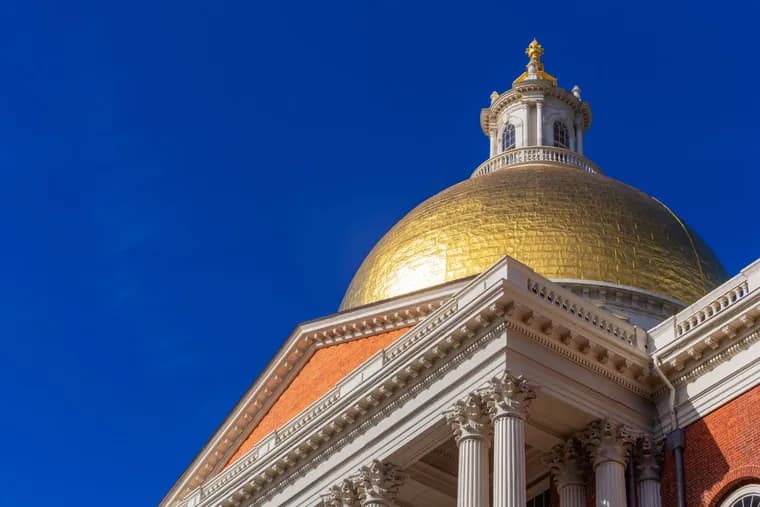
Massachusetts governor Maura Healey signed an executive order requiring developers of data centers with more than 25 megawatts of peak demand to supply their own clean power. Her order gives priority to on-site generation: if a developer cannot generate clean power on-site, it must fund the construction of new generation nearby or pay into a ratepayer protection fund instead. The state's existing clean energy standard normally requires regulated industry to draw a rising share of its power from approved sources such as wind, solar, and hydro, reaching at least 40% of the total by 2030; the governor's office later clarified that data centers specifically must meet 100% of their electricity demand with clean energy generation, a stricter bar than that general standard.
The order also directs communities negotiating with data center developers to avoid signing non-disclosure agreements. To give regulators time to put the new rules in place, Healey is pausing new applications for a data center sales tax exemption that took effect last month.
Massachusetts is the third U.S. state to restrict data center development in as many months. In August, Texas governor Greg Abbott announced that all new data centers in the state must submit to audits by the public utility commission and the grid operator, ERCOT. In July, New York's governor halted construction of new data centers of 50 megawatts or larger.
The shift follows a change in public sentiment: developers who were once offered incentives to build in a given state are now facing organized opposition, and politicians are responding to voters' concerns. The tech industry is starting to push back at the ballot box. Leading the Future, a pro-AI super PAC funded by Marc Andreessen, Ben Horowitz, and Greg Brockman, is buying ads aimed at swaying voters in battleground states ahead of the midterm elections.
Key facts
- Massachusetts Gov. Maura Healey signed an executive order requiring data centers larger than 25 megawatts of peak demand to bring their own clean power.
- Data centers must meet 100% of their electricity demand with clean energy generation, stricter than the state's general clean energy standard, which requires industry to reach at least 40% clean sources by 2030.
- Developers can generate the power on-site, fund new nearby clean generation, or pay into a ratepayer protection fund; Massachusetts is also pausing new applications for a data center sales tax exemption that took effect last month.
- Massachusetts becomes the third U.S. state in as many months to restrict data center development, after Texas (audits by the public utility commission and grid operator ERCOT, announced in August) and New York (halted construction of centers 50 megawatts or larger, in July).
- Pro-AI super PAC Leading the Future, funded by Marc Andreessen, Ben Horowitz, and Greg Brockman, is buying ads in battleground states ahead of the midterm elections as the industry pushes back.
Why it matters
The order marks a fast reversal in how states treat data center developers. A few years ago, states competed to attract facilities with incentives; now Massachusetts, Texas, and New York have each imposed new restrictions within the same few months, and data centers have become a live political issue ahead of the midterm elections. A 100% clean power mandate in a major state raises the cost and timeline of new AI infrastructure capacity, and gives other states a concrete template to follow if they want to do the same.
Who it affects
Any developer planning a Massachusetts data center over 25 megawatts of peak demand is directly bound by the order and must plan for on-site generation, funding new nearby capacity, or paying into the ratepayer protection fund. Massachusetts ratepayers are meant to be shielded from the cost of that new power. The order also reaches local communities negotiating with developers, who are steered away from non-disclosure agreements. More broadly, it touches the financial backers of AI infrastructure: Leading the Future, the pro-AI super PAC funded by Marc Andreessen, Ben Horowitz, and Greg Brockman, is now campaigning in battleground states to push back against this kind of restriction.
How to use it
A developer whose Massachusetts project exceeds 25 megawatts of peak demand has three compliance paths: generate the clean power on-site, fund new clean generation nearby, or pay into the state's ratepayer protection fund. Since new applications for the data center sales tax exemption are paused while the rules are implemented, developers should not assume that exemption is currently available. Anyone negotiating a siting agreement with a Massachusetts community should also expect the state's stated preference against non-disclosure agreements to shape those talks.
How solid is it
The account rests on Healey's executive order and a follow-up clarification from the governor's office, which TechCrunch folded into the article as an update specifying that data centers must meet 100% (not merely the general standard's rising percentage) of demand with clean energy. The comparisons to Texas and New York cite a named Texas official, Greg Abbott, and dated actions by month, though the article does not name New York's governor, give exact dates for the Texas or New York actions, or state when Healey's order itself was signed. No figures are given for the size or formula of the ratepayer protection fund.
Risks and caveats
Several specifics are missing from the reporting: no amount or formula is given for payments into the ratepayer protection fund, no date is stated for when the order was signed or takes effect, and no end date is given for the pause on sales tax exemption applications. The Texas and New York comparisons rely on month-only timing, with no year stated. Implementation details are left to regulators to work out, and the pro-AI super PAC Leading the Future is already campaigning against this kind of restriction ahead of the midterms.
“avoid signing non-disclosure agreements”
— the Massachusetts executive order