MIT Technology Review interviews Samuel King on AI-designed viruses
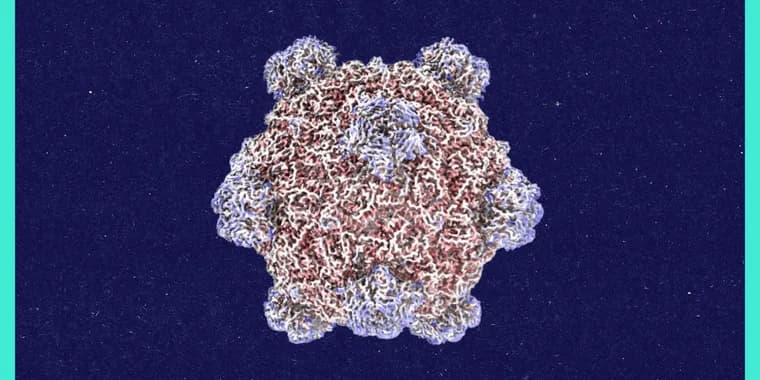
MIT Technology Review has published a Roundtables session, recorded on Friday, October 16, 2026, that is available only to its subscribers. It is a video and audio conversation between James O'Donnell, the magazine's AI reporter (described on the page as senior AI reporter), and Samuel King, a bioengineering PhD candidate at Stanford University and the Arc Institute.
The page frames the session around a single question: can AI design new life forms? The magazine says King came up with a preliminary answer in 2025, when he used a generative AI model to propose genetic blueprints for microscopic viruses. It adds that this is not yet an example of AI-generated life, but that it could be next.
According to the page, O'Donnell asks King about three things: his work, being named one of MIT Technology Review's Innovators Under 35, and new ways of seeing biology.
The page itself carries only this description. It gives none of the interview's content: no answers, findings or quotes from King or O'Donnell. It also gives no details of the model used, the viruses designed, whether they were synthesized or tested, how they were validated, or any safety or biosecurity implications, and no timescale for when AI-generated life might be achieved. The item is best read as an announcement of the conversation, not a report of what was said in it.
Key facts
- MIT Technology Review published a subscriber-only Roundtables session recorded on October 16, 2026.
- James O'Donnell interviews Samuel King, a bioengineering PhD candidate at Stanford University and the Arc Institute.
- In 2025, King used a generative AI model to propose genetic blueprints for microscopic viruses, which the magazine calls a preliminary answer to whether AI can design new life forms.
- The magazine says the work is not yet an example of AI-generated life, but that could be next.
- The conversation also covers King's selection as one of MIT Technology Review's Innovators Under 35.
Why it matters
The page poses the question of whether AI can design new life forms and presents King's 2025 work, a generative model proposing genetic blueprints for microscopic viruses, as a preliminary answer. The magazine is careful about the limit: it says this is not yet AI-generated life, but could be next. The session itself is a conversation about that work, not a new result.
Who it affects
The page does not spell out who is affected. It is aimed at MIT Technology Review subscribers, who are the only ones who can watch or listen. King, a bioengineering PhD candidate at Stanford University and the Arc Institute, and O'Donnell, the magazine's AI reporter, are the two speakers.
How to use it
Access is limited to MIT Technology Review subscribers, who can listen to the session or watch it on the page. The conversation is meant to cover King's work, his Innovators Under 35 recognition and new ways of seeing biology. Readers without a subscription get only the short description.
How solid is it
The description comes from the publisher itself, and the interview content is behind a subscriber wall, so the substance of the conversation is not visible. The page gives no details of the model, the viruses, whether they were synthesized or tested, or how they were validated. Treat the "preliminary answer" language as the magazine's framing, not a documented result.
Risks and caveats
The page says nothing about safety or biosecurity implications of AI-designed viruses, and gives no timescale for AI-generated life. The statement that such life "could be next" is the magazine's own wording, not a forecast with dates or evidence. Anything beyond the short description would have to come from the subscriber-only session.