NHTSA evaluates petition alleging Tesla robotaxis speed in school zones
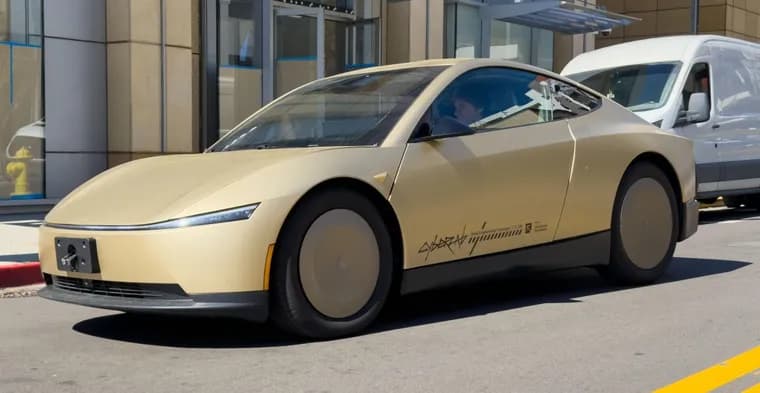
The National Highway Traffic Safety Administration says it is evaluating allegations that Tesla's robotaxis, which the article puts at 1,000 or so vehicles using the company's automated driving system, are exceeding "posted speed limits in active school zones."
The trigger is a petition. NHTSA's Office of Defects Investigation (ODI) received what it calls a DP on September 23, 2026, requesting an investigation into model year 2026 Tesla Robotaxis, meaning the Model Y and the Cybercab, with the Automated Driving System (ADS) engaged. In NHTSA's words, the petitioner alleges that the ADS exceeds posted speed limits in active school zones. The petitioner is not named.
So far this is an allegation, not a finding. The source does not say NHTSA has opened a formal investigation into the school-zone speeding; it says the agency is evaluating the allegations after receiving the petition. It also gives no specific incidents, locations, speeds or injuries, and no response from Tesla.
The article places the petition against a wider backdrop. The Cybercab launched earlier this year and is already under investigation for its lack of side mirrors, pedals and a steering wheel. NHTSA has also opened an investigation into Tesla's Full Self-Driving system for traffic violations, like blowing past red lights and driving on the wrong side of the street.
Tesla is not the only robotaxi operator facing this kind of scrutiny near schools. Waymo's robotaxis have also faced similar inquiries, including for illegally passing school buses and hitting a child near a California elementary school.
Key facts
- NHTSA says it is evaluating allegations that Tesla robotaxis exceed posted speed limits in active school zones.
- The agency's Office of Defects Investigation received a petition (a DP) on September 23, 2026, covering model year 2026 Tesla Robotaxis, the Model Y and the Cybercab, with the automated driving system engaged.
- The petitioner is unnamed, and the claim is an allegation; the source gives no incidents, speeds or Tesla response.
- The article puts Tesla's robotaxi fleet at 1,000 or so vehicles using its automated driving system.
- The Cybercab is already under investigation over its lack of side mirrors, pedals and a steering wheel, and NHTSA has a separate investigation into Tesla's Full Self-Driving for traffic violations.
Why it matters
School zones are where speed limits matter most, and a regulator weighing a complaint that driverless vehicles ignore them is a direct test of whether automated driving systems follow basic traffic rules. The petition lands on top of existing scrutiny: the Cybercab, launched earlier this year, is already under investigation over its lack of side mirrors, pedals and a steering wheel, and NHTSA has a separate investigation into Tesla's Full Self-Driving system for violations such as running red lights and driving on the wrong side of the street.
Who it affects
Tesla and its robotaxi service, whose 1,000 or so vehicles using the automated driving system fall under the petition's scope, specifically model year 2026 Model Y and Cybercab vehicles with the system engaged. Children and others in school zones are the people the allegation concerns. Other robotaxi operators are in the frame too: Waymo has faced similar inquiries, including over illegally passing school buses and hitting a child near a California elementary school.
How to use it
There is nothing to adopt here; this is a regulatory development to follow. The step to watch is whether NHTSA moves from evaluating the petition to opening an investigation. The source gives no timescale or deadline for that decision.
How solid is it
The fact of the petition is solid: NHTSA itself describes it, including the September 23, 2026 date and the vehicles covered. The substance of the complaint is not. It is an allegation from an unnamed petitioner, and the source does not say the allegations have been verified.
Risks and caveats
Receiving a petition is not the same as opening an investigation, and the source does not say NHTSA has done the latter for the school-zone speeding. No specific incidents, locations, speeds or injuries are given, and there is no comment from Tesla. The related Waymo cases and Tesla's other investigations concern different behaviour and should not be read as evidence for this allegation.
“The Petitioner alleges that the ADS exceeds posted speed limits in active school zones.”
— NHTSA, describing the petition