Pippa pays artists by the generation, but its models still scrape art
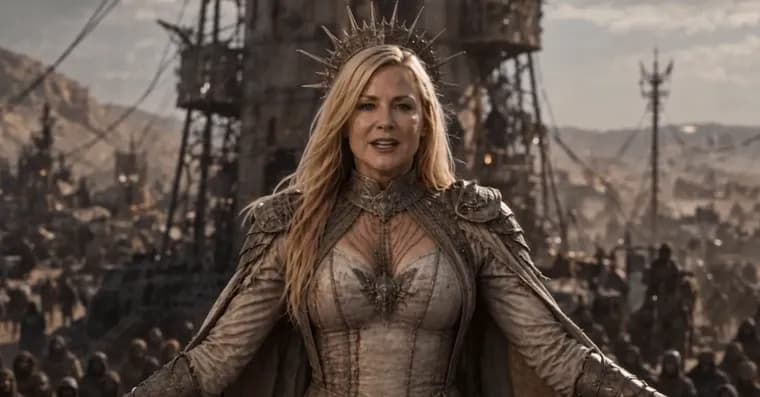
Illustrators have spent years accusing generative AI companies of training their models on artists' work without permission, a practice that has produced lawsuits and, more recently, a wave of startups marketing themselves as more ethical alternatives. Pippa, a text-to-video generation service, is one of them. The Verge interviewed cofounders Hogan Shrum and Sean Wright about the company's pitch: every time a subscriber generates an image or video clip whose style is derived from a human artist's work, that artist gets paid.
The payments are small. Pippa says artists receive $0.005 per image and $0.003 per second of video generated in their style, on top of a cut of a 5 percent royalty pool funded by the platform's overall subscription revenue, which itself runs from $14.99 to $99.99 a month. In its press materials, Pippa compares this royalty structure to Spotify's, a comparison The Verge calls curious given how many musicians say the streaming service underpays them.
Wright framed the approach as a Napster moment for AI. "We've had so many conversations with artists where they're like, 'I love this, but I don't want to get ostracized by my community.' We're very early in this space, so there's some apprehension to participate in it. But we think that can change as people see the economics of how we're paying artists and that our intent is good," he said. He drew a direct line to the music industry: models built over the past 18 months, in his telling, were trained on people's art without permission the same way Napster-era listeners took music for free, before paid services like Apple's 99-cent downloads gave artists a legal way to get paid.
Pippa, which launched in May, currently has around 800 paying subscribers but has signed licensing and model-training agreements with only four human artists, though Shrum said four more are in talks to join. Prospective artists go through a multi-step vetting process to confirm the art they submit is genuinely theirs; once approved, they get a profile page linking to their outside work, and can choose to contribute under a pseudonym if they are worried about being seen as crossing a picket line within their community.
The company's own tech undercuts part of its pitch. Pippa still runs on open models that, by its own description, have "initial training on the broader set of content out there," meaning scraped internet art remains part of the pipeline even as Pippa works toward training exclusively on its signed artists' work. The Verge contrasts this with Ben Affleck's InterPositive, which builds wholly original, proprietary datasets, an approach that demands far more upfront capital and tends to produce narrower tools rather than general-purpose ones. Browsing Pippa's portal, The Verge found little that looked distinct from other text-to-video services, mostly kid-oriented content imitating Pixar's style without much sign of an individual artist's hand.
Pippa plans to add ByteDance's Seedance 2.5 model, which can generate up to 30 seconds of video that can be fine-tuned without restarting from scratch, a capability that could draw subscribers. But since rival platforms will offer the same model, Pippa's differentiation will come down to how many more artists it can actually sign, which depends on whether artists and their communities come to see the payment model as legitimate rather than a smaller cut of the same theft.
Key facts
- Pippa pays artists $0.005 per AI-generated image and $0.003 per second of video made in their style, plus a cut of a 5 percent royalty pool funded by subscription revenue.
- Pippa's monthly subscriptions range from $14.99 to $99.99; the company has about 800 paying subscribers but has signed licensing and training agreements with only four human artists, with four more in talks.
- Cofounder Sean Wright compares the moment to Napster giving way to paid music like Apple's 99-cent downloads, arguing paid licensing can replace unpermitted scraping.
- Pippa's own models still rely on open models trained broadly on scraped internet art, even as the company works toward training exclusively on its signed artists' work.
- Artists can join under a pseudonym to avoid being seen as crossing a picket line, and Pippa plans to add ByteDance's Seedance 2.5 model, capable of up to 30 seconds of fine-tunable video.
Why it matters
Generative AI's video and image tools have been built largely on art scraped without consent, fueling lawsuits and artist backlash. Pippa is testing whether paying artists directly, rather than simply scraping for free, can defuse that backlash and give AI companies a legitimate claim to ethical sourcing. If a revenue-share model like this can actually attract artists at scale, it offers a template other gen AI companies facing the same criticism could follow.
Who it affects
Illustrators and artists whose styles are used to train Pippa's models are the direct stakeholders, since their pay and reputation within their community are both on the line. Pippa's subscribers, who pay $14.99 to $99.99 a month for the service, are the other side of the transaction. The story also touches other startups pitching themselves as ethical alternatives, such as Ben Affleck's InterPositive, and the wider text-to-video industry still fighting lawsuits over training data.
How to use it
Pippa charges subscribers $14.99 to $99.99 a month to generate images and video clips. Artists who want in must pass a multi-step vetting process proving the submitted work is theirs; once approved, they get a profile page and can contribute under a pseudonym. Approved artists earn $0.005 per image and $0.003 per second of video generated in their style, plus a share of a 5 percent royalty pool drawn from overall subscription revenue.
How solid is it
The account comes from The Verge's direct interview with Pippa's cofounders, Hogan Shrum and Sean Wright, and includes the company's own hands-on inspection of the product. But the numbers underline how early-stage this is: about 800 paying subscribers and just four signed artists, with four more only in talks. The Verge's own look at Pippa's portal found output that looked similar to other text-to-video services, mostly kid-oriented content imitating Pixar rather than work tied to a distinct human artist.
Risks and caveats
Pippa's ethical framing is undercut by its own admission that its models still have initial training on broadly scraped content, so the creative-theft problem the company says it wants to solve is not actually solved yet. Its Spotify comparison is also awkward given how often musicians criticize that platform's payouts. The alternative path, building wholly original proprietary datasets like InterPositive, requires capital most startups do not have and tends to produce narrower tools, so there is no guarantee the industry converges on Pippa's approach even if it works.
“We've had so many conversations with artists where they're like, 'I love this, but I don't want to get ostracized by my community.' We're very early in this space, so there's some apprehension to participate in it. But we think that can change as people see the economics of how we're paying artists and that our intent is good.”
— Sean Wright, Pippa cofounder