PolyAI CTO says voice AI hasn't had its ChatGPT moment yet
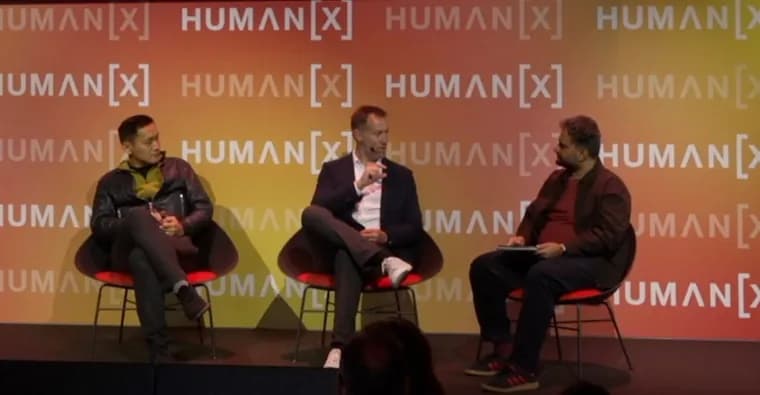
TechCrunch interviews two voice AI executives to test the idea that voice is the next big interface. The article opens with the investment backdrop: investors are pouring billions of dollars into voice AI startups, from model makers and enterprise customer service providers to meeting note-takers and AI-powered dictation. New models and tools claim to sound human every week, but the article argues the reality may be different.
Shawn Wen, CTO of the enterprise voice AI platform PolyAI, told the author on stage at the HumanX conference last month that despite the release of full-duplex models, which can speak while listening to you, voice AI does not have its "ChatGPT moment" yet. In his words, the full-duplex milestone has been reached, and the next challenge is to make reasoning very fast, so that models can fetch answers quickly and the conversation feels natural. He also said customer service agents should not sound robotic and should give callers enough confidence that they can solve problems. Once the voice is good enough and a customer engages for the first two or three turns, Wen said, they start to build confidence, and over time they feel they probably do not have to talk to a human if the agent can solve their problem.
Alex Gay, CMO of the meeting notetaker Otter, said speaker identification, intent capture, and tying that to organizational knowledge is a key step for enabling automation. Otter is also working on digital twins that might represent people in meetings. For that technology, Gay said it is paramount that the output voice carries the same emotive expressions as talking to a human in a meeting. Without the relationship and debate that make good meetings work, he said, an avatar is just a Q and A chatbot.
The article then turns to understanding and transparency. Wen thinks ASR (automatic speech recognition) models often miss important keywords, which makes it hard to capture the whole context. Gay agreed, adding that Otter keeps working on improving transcription and that language is one area where voice models need to improve. For Otter, he said, transcription was never the end point but the layer for productivity gains; if the original transcription is not accurate enough, all follow-up actions become flawed, and when a system acts on something wrong, you lose trust in the platform.
On transparency, the article says tools should declare to customers that they are being recorded or talking to AI. Otter said it wants to instill trust in meeting participants and wants to try methods such as notifying everyone in the chat that a meeting is being recorded, even where the bot is not present. Wen also said it is important to establish that people are talking to an AI in enterprise calls.
Key facts
- PolyAI CTO Shawn Wen says voice AI does not yet have its "ChatGPT moment" even though full-duplex models, which speak while listening, now exist.
- Wen names fast reasoning as the next challenge, so models can fetch answers quickly and conversation feels natural.
- Otter CMO Alex Gay says transcription accuracy is critical because wrong transcripts make follow-up actions flawed and erode trust in the platform.
- Otter is working on digital twins that might represent people in meetings; Gay says the output voice must carry the same emotive expressions as a human.
- Both executives stress transparency: telling people they are being recorded or talking to an AI, including notifying a chat even when the bot is not present.
Why it matters
Money is flowing into voice AI startups, with the article citing billions of dollars from investors, and new models claim human-sounding speech every week. Wen's point is that a technical milestone, full-duplex models that can speak while listening, has not translated into a breakthrough moment. In his view the bottleneck has shifted to making reasoning fast enough that answers arrive without breaking the flow of conversation.
Who it affects
Enterprises that run customer service calls through voice agents, since Wen ties adoption to callers gaining confidence in the first two or three turns. It also affects people who rely on meeting notetakers and those who sit in meetings that are recorded or may soon include digital twins, because accuracy of transcripts and clarity about recording and AI use shape what they can trust.
How to use it
This is commentary, not a product release, so there is nothing to switch on. The practical takeaways from the executives are about deployment: make customer service agents sound natural and capable enough to win callers over in the opening turns, treat speech recognition accuracy as the foundation for any automated follow-up actions, and tell people when they are being recorded or talking to an AI.
How solid is it
The piece rests on statements from two executives of voice AI companies, PolyAI and Otter, and the quotes are opinion rather than measured results. No ASR error rates or other accuracy metrics are given, no timescale is given for when voice AI might reach its "ChatGPT moment", and no specific model or tool releases are named. Wen's remarks come from an on-stage conversation at the HumanX conference last month.
Risks and caveats
Gay warns that inaccurate transcription makes follow-up actions flawed and that acting on wrong information makes users lose trust in the platform. Wen says ASR models often miss important keywords, which hurts context capture. Otter's digital twins are described only as something that might represent people in meetings, so their shape and timing are not established. Gay's own caveat is that an avatar lacking real debate and relationship is just a Q and A chatbot. Transparency about recording and AI use remains an open question that vendors say they are still working on.
“We have reached the milestone of developing full-duplex models. The next challenge is to make reasoning very fast, so that the models can fetch answers quickly and the conversation feels natural.”
— Shawn Wen, CTO of PolyAI