Reverse Engineer Anything goes viral as people use AI to clone software
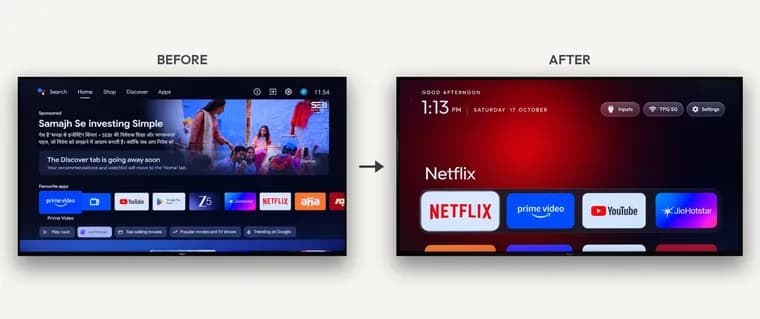
404 Media reports that over a recent weekend it became fashionable to use AI to replace the operating systems on smart TVs with vibe coded or AI reverse-engineered ones, aiming to make them less bloated. People have also taken proprietary internet-of-things devices that their makers bricked and abandoned, and used AI to hack them and install new software, restoring functionality the original developers took away. The article's author lists what they saw in a few days: smart picture frames turned into AI-powered smart calendars, baby monitors stripped of ads, bricked Lululemon mirrors revived with new software, and dozens and dozens of TVs given AI-written software that removes bloatware and ads and simplifies the interface.
The author describes this as vibe coding, but instead of building from scratch, people use AI to take existing software and replicate its features or clone it wholesale. In some cases they install a version of open source software on proprietary hardware. The author calls the whole thing a mix of decompiling, reverse-engineering, hacking, vibe coding, AI slop and stealing: the plagiarism machine used for plagiarism, but also ordinary people taking back control of devices whose proprietary software locked away basic functionality or added advertising, surveillance and bloat.
One example is a user named Gathin, who posted on X: "Vibe coded my parents' TV this afternoon! It was showing a sponsored ad before you could even get to Netflix. Gave Claude Code the model number, it found the TV on wifi, removed 25 Xiaomi packages and wrote a new launcher." He added that it "Looks like an Apple TV now lol." The post has allegedly been viewed more than 6 million times.
The bigger driver is a GitHub project called Reverse Engineer Anything (REA), which became one of the most viral repositories in recent memory, with more than 342,000 stars at the time of writing. It uses AI to deconstruct features in other software so the user can replicate them. Its description reads: "See a feature in an app that you want in your own product? Ask your agent to investigate it with REA. It can inspect the app without its source code, explain how the feature works, show the evidence, and build a version for your project." The author links this to what has happened in recent weeks: viral, AI-driven clones of Adobe's Creative Cloud software and Microsoft Office, and the 'decompilation' of hundreds of different video games. The same tactic is now applied to embedded software on physical devices.
A person who claims to make guitar pedals wrote on Hacker News that in the past 72 hours he had 'ONE-SHOT decompiled' three of his main competitors' products, and could in theory put them in a box and resell them. His conclusion: anyone with a Claude subscription can now rip off any best-in-class algorithm from any competitor. The claim is his own and unverified.
Mike Nolan, who studies the politics of open source software, told 404 Media: "All I am hearing from software engineers is that software-as-a-service is dying as a business model." He said recreating the functionality you want is becoming so easy, and that a lot of people are doing it for fun because the barrier is lower. But he warned that maintaining software takes a lot of work, so in many cases the clones may not be reliable enough to use, and he does not know how many companies will adopt them.
The author adds that much of this was already possible for a long time with open source, human-coded repositories, and that communities have spent hundreds of hours reviving bricked IoT hardware or finding vulnerabilities that allow devices to be modified or repaired. What changed is speed and reach. The author says it is not necessarily the case that everyone will write and run their own software or that Adobe or Microsoft are doomed, but expects a real-world impact on software companies, coding communities and open-source projects. Critics told the author that many AI 'decompilations' of video games are not really decompiling anything: the resulting source code usually differs from the original, and the software has odd bugs or does not fully work. The author's reply is that this is part of the problem: AI-cloned software often has bugs the user does not understand or know how to fix, yet people use and release it faster than it can be vetted or moderated.
The author attributes the trend to the agentification of AI, improving models and the removal of guardrails, and predicts: poorly coded, insecure software installed on critical hardware, leading to hacked devices and networks; reverse-engineering and open-source communities overrun by people pushing their AI projects; hastily built hardware startups on poorly cloned software; restaurant touch screens with bizarre bugs; hackers likely trying to slip malware into some of this code; and smaller companies killed by competitors who used AI to copy their products and undercut them. The author also expects some benefit: decompiled software used to remove manufacturer guardrails that should never have existed.
Key facts
- A GitHub project called Reverse Engineer Anything, which uses AI to deconstruct features of other software and rebuild them, had more than 342,000 stars at the time 404 Media's author wrote.
- Over a recent weekend people used AI to replace software on dozens of smart TVs, plus picture frames, baby monitors and bricked Lululemon mirrors; Gathin says Claude Code removed 25 Xiaomi packages from his parents' TV and wrote a new launcher.
- Mike Nolan, who studies the politics of open source software, says engineers tell him software-as-a-service is dying as a business model, but warns clones may be too unreliable for companies to adopt.
- A self-described guitar pedal maker claimed on Hacker News that he decompiled three competitors' products in 72 hours; the claim is unverified.
- The author expects buggy, insecure cloned software on real hardware, malware attempts and pressure on small software and hardware companies, and also some benefit from removing manufacturer restrictions.
Why it matters
The article describes a shift from vibe coding new things to using AI agents to copy existing software and take over devices that vendors locked or abandoned. Reverse-engineering was already possible with open source tools and human effort; the author's point is that agentic AI, better models and fewer guardrails now let people tell an AI to do it and generally have it work. The viral spread of Reverse Engineer Anything, with more than 342,000 stars, shows how fast the idea moved. The author links it to recent AI-driven clones of Adobe's Creative Cloud and Microsoft Office and to hundreds of AI 'decompiled' video games.
Who it affects
Owners of smart TVs and other connected devices who want ads and bloat gone. Software companies, whose products can be cloned; Nolan reports engineers saying software-as-a-service is dying as a business model. Reverse-engineering communities and open-source projects, which the author expects to be overrun by people arriving with AI-generated code. Small software and hardware companies, which the author predicts could be undercut by competitors using AI to copy their products. Anyone who uses connected devices, since the author expects insecure cloned code on critical hardware.
How to use it
The source is a report, not a guide. The project's own pitch is to point an agent at an app, have it inspect the app without its source code, explain how a feature works, show the evidence and build a version for your own project. Gathin's TV example shows the pattern: give Claude Code the model number, let it find the TV on the network, remove the manufacturer's packages and write a replacement launcher. The source does not name who created Reverse Engineer Anything, its license, or which AI model it uses. Nolan cautions that maintaining such software takes work and that clones may not be reliable enough to use.
How solid is it
This is reporting mixed with the author's opinion. The examples are anecdotes seen over a few days: Gathin's own post (the 6 million view figure is described as 'allegedly'), the GitHub star count, and an unverified Hacker News claim from a person who says he makes guitar pedals. Nolan's quotes cover SaaS and the reliability of clones; the author's conclusions about slop, hackers and killed startups are the author's own predictions. The author also relays criticism that many AI 'decompilations' are not really decompiling anything. No responses from Xiaomi, Adobe, Microsoft, Lululemon or other affected companies are quoted.
Risks and caveats
The author predicts poorly coded, barely functional, insecure software will end up on critical hardware, leading to hacked devices and networks, and says hackers are likely to try to slip malware into some of this code. AI-cloned software often has bugs that the person using the AI does not understand or know how to fix, and it spreads faster than it can be vetted or moderated. Whether clones are faithful to the originals is disputed, and Nolan doubts many companies will adopt them. The source gives no measured data on bugs, security incidents or malware, and no legal analysis of copyright or reverse-engineering. The author also says it is not necessarily true that everyone will run their own software or that Adobe and Microsoft are doomed.
“All I am hearing from software engineers is that software-as-a-service is dying as a business model”
— Mike Nolan, who studies the politics of open source software, to 404 Media