Samsung, SK Hynix and Micron reportedly sell out 2027 memory capacity
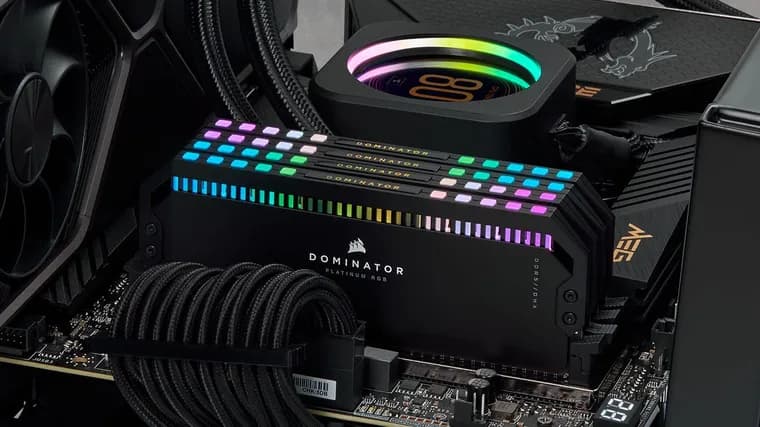
According to a report from Digitimes, relayed by TweakTown, Samsung, SK Hynix and Micron have between them sold through all of their 2027 DRAM and HBM manufacturing capacity to AI companies, with no further supply planned for that year. The three manufacturers have not confirmed this themselves. Much of the capacity was locked up through long-term purchasing agreements: AI companies are effectively pre-ordering memory that has not yet been manufactured, on contracts running as long as five years. The piece frames this as the latest turn in an ongoing memory shortage that is already showing up in consumer prices. NAND storage, unlike DRAM and HBM, has not been completely absorbed because more companies supply it, but demand for NAND is rising too and SSD prices have already climbed. As an example, IGN's Jackie Thomas points to the Western Digital SN7100, a mainstream PCIe 4 drive: a 1TB model cost about $110 in January and now costs $189 before a small ongoing Amazon discount, a rise the piece describes as 52%. The article also ties the shortage to two recent consumer hardware price increases: the Xbox Series X went up in price this month, and the Steam Machine launched a month ago at a higher price than Valve had wanted, both attributed to higher memory costs. The author concludes that unless more manufacturing capacity opens up somewhere, RAM is unlikely to become cheaper or easier to find any time soon.
Key facts
- Samsung, SK Hynix and Micron have reportedly sold out all their 2027 DRAM and HBM manufacturing capacity to AI companies, per a Digitimes report relayed by TweakTown; the manufacturers have not confirmed it.
- Much of that capacity is locked in through long-term purchasing agreements, with AI companies pre-ordering unmanufactured memory on contracts running up to five years.
- NAND storage has not been fully sold out because more suppliers make it, but demand and prices are rising there too: a Western Digital SN7100 1TB SSD went from about $110 in January to $189 now, a reported 52% increase.
- The same squeeze is cited behind recent price hikes on the Xbox Series X and the Steam Machine.
Why it matters
If the report holds, AI companies have not just bought up current memory supply, they have contractually claimed next year's output before it even exists, on deals running as long as five years. That removes the usual corrective for a shortage: extra 2027 capacity simply will not be available to sell to anyone else, so the piece argues retail memory prices have little reason to come back down soon.
Who it affects
Anyone buying RAM, an SSD, or a prebuilt PC or console feels the effect first: the piece cites the Xbox Series X price rise and the Steam Machine's above-target launch price as symptoms already visible. PC builders and system integrators face the same squeeze on both DRAM and, increasingly, NAND storage.
How to use it
There is no fix here, only a signal: memory and NAND-based storage prices are described as still climbing rather than stabilizing, so anyone weighing a RAM or SSD purchase now versus later should expect waiting to cost more, not less. NAND remains comparatively less constrained than DRAM and HBM because more companies supply it, which is the one part of the market the report does not describe as sold out.
How solid is it
The claim traces back to a single report from Digitimes, itself relayed secondhand through TweakTown and then through this IGN piece; none of Samsung, SK Hynix or Micron has confirmed the sold-out claim. The article gives no publication date or link for the original Digitimes report, and the only hard price figure it offers covers an SSD, not DRAM or HBM directly.
Risks and caveats
The 2027 sellout claim rests on one unconfirmed trade report, with no figures given for how much DRAM or RAM prices themselves have moved, only the SSD comparison. The piece also does not name which AI companies hold the long-term purchasing agreements, nor give dollar or percentage figures for the Xbox Series X or Steam Machine price increases it cites as evidence.