SpaceX recovers Starship intact after Indian Ocean splashdown
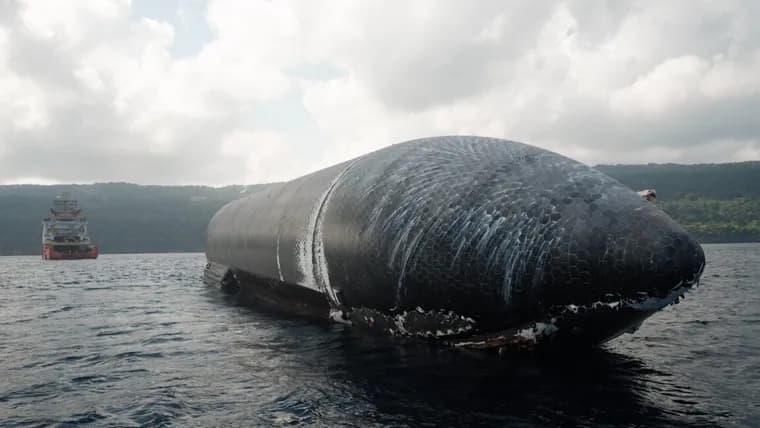
SpaceX's most recent Starship test flight ended on July 24 with a splashdown in the Indian Ocean, roughly halfway around the world from the company's launch base in South Texas. Engineers expected the vehicle to end its life the way past Starships had: toppling over after splashdown and breaking apart in a fiery conflagration. Instead, the ship tipped over and stayed intact, a result the source describes as surprising just about everyone, including SpaceX's own engineers.
SpaceX has data from all 13 test flights of Starship and its Super Heavy booster, collected through onboard sensors and cameras plus buoys and drones stationed at the splashdown zone, primarily to assess the heat shield's performance. But that telemetry is no substitute for inspecting the physical hardware. A recovery ship towed the spacecraft engine-first several hundred miles across the Indian Ocean to Christmas Island, an Australian territory, and SpaceX announced the ship's arrival just off the island's coast on a Tuesday. In a post on X, SpaceX said a team of engineers was on its way to conduct additional analysis on the vehicle in calmer waters before attempting to return it to Starbase, the company's Starship development and launch site in South Texas.
Getting the ship back does not mean it is close to home. SpaceX has not said how it plans to move Starship the more than 10,000 miles from Christmas Island back to Starbase. The vehicle, over 170 feet (52 meters) long and 30 feet (9 meters) in diameter, is too large to fit inside any aircraft in one piece, so the return trip will have to happen by sea, though no ship, route or timeline has been named.
Key facts
- SpaceX's Starship splashed down intact in the Indian Ocean on July 24, tipping over but not breaking apart as past test vehicles did.
- A recovery ship towed the spacecraft several hundred miles across the Indian Ocean to Christmas Island, an Australian territory, arriving off its coast on a Tuesday.
- Engineers have telemetry from all 13 Starship and Super Heavy test flights, but recovered hardware allows direct physical inspection that sensor data cannot replace.
- SpaceX said engineers were headed to the ship to run additional analysis in calmer waters before attempting to return it to Starbase in South Texas.
- The 170-foot, 30-foot-diameter vehicle is too large for any aircraft, so the more than 10,000-mile trip back to Starbase will have to be made by sea; SpaceX has not disclosed how.
Why it matters
SpaceX has relied on sensors, cameras, buoys and drones to judge Starship's post-flight condition, especially its heat shield, across all 13 test flights of Starship and Super Heavy. That data has value, but it cannot replace inspecting actual hardware that has flown to space and back. SpaceX already recovers and reuses Falcon 9 boosters with near-flawless results, and the rocket's rare failures have been confined to its single-use upper stage. An intact Starship, for the first time, gives engineers a comparable hands-on look at the vehicle's larger, more complex upper stage rather than debris and telemetry alone.
Who it affects
The result concerns SpaceX's Starship engineering team most directly, since it changes what they have to work with for the next round of design and heat shield analysis. It also matters to anyone tracking the broader Starship program, since a survivable splashdown is a step toward eventually recovering and reusing the upper stage the way SpaceX already does with Falcon 9 boosters.
How to use it
There is no product or purchase here. Readers following the Starship program should treat this as a status update: one specific test vehicle survived and is being retrieved, not a claim that Starship recovery is now routine or that reuse is imminent.
How solid is it
The account comes from a single source, Ars Technica, built around a short SpaceX statement posted on X and the outlet's own framing of past Starship outcomes. No SpaceX engineer, executive or spokesperson is named or quoted directly beyond that post, and no independent technical readout of the vehicle's condition has been published.
Risks and caveats
SpaceX has not said how it intends to move a more than 170-foot, 30-foot-diameter vehicle over 10,000-plus miles of ocean back to Starbase, and no ship, route or timeline has been named for that leg of the journey. The source also does not explain why this particular Starship stayed intact after toppling over when past vehicles broke apart, beyond noting that it happened; that mechanism remains unaddressed as of this report.
“A team of SpaceX engineers is on their way to conduct additional analysis on the vehicle in calmer waters before attempting to return it to Starbase.”
— SpaceX, in a post on X