Suno hit with two more lawsuits from Elvis and Eminem rights holders
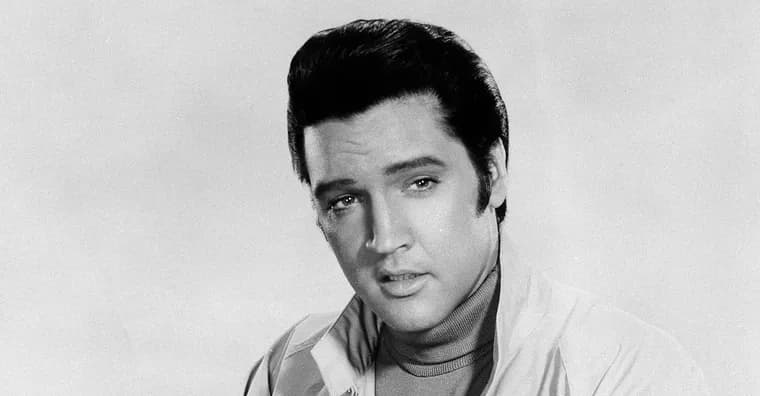
Suno, the AI music company, is facing two more lawsuits over AI music clones. In one, a group of rights holders of Elvis Presley's music is the plaintiff. In the other, it is the publisher of some of Eminem's biggest records. Both claim that Suno illegally generates music and lyrics that mimic those artists.
The lawyers in the Presley suit claim Suno has violated Tennessee's Ensuring Likeness Voice and Image Security (ELVIS) Act, which makes it illegal for an AI company to clone a singer's voice. They argue that "Suno has mechanically encoded itself with artists' identities, hard-work, creativity, and time, and harnessed them all for a consistent conveyor belt of cold hard cash." Later in the complaint, they write that "Suno's ravenous race to the bottom aims to make human creativity obsolete, coldly replicating without a license in seconds what takes years to learn, struggle with, maintain, and endlessly attempt to make better and perfect."
The Verge notes that these suits closely mirror one filed by Jason Isbell and others in September, which claimed Suno created imitations of the plaintiffs but did not claim copyright infringement directly. The new cases add to the pile of lawsuits Suno is currently facing from Sony, UMG, Isbell, Reservoir Media, and more.
Suno spokesperson Cat McCormack told The Verge: "Suno exists to help people create new, original music, not to trade on anyone's name or likeness, and we prohibit any unauthorized use of an artist's work. To protect against this, we do not allow prompts for specific artists' names and songs and work with third-party providers to screen uploaded audio files and lyrics for potential misuse. We are always working to strengthen our guardrails and we will continue to add new safeguards that protect artists and our users."
Key facts
- Two new lawsuits against Suno: one from a group of rights holders of Elvis Presley's music, one from the publisher of some of Eminem's biggest records.
- Both claim Suno illegally generates music and lyrics that mimic those artists.
- The Presley suit's lawyers claim a violation of Tennessee's ELVIS Act, which makes it illegal for an AI company to clone a singer's voice.
- The suits closely mirror one filed in September by Jason Isbell and others, which claimed Suno created imitations of the plaintiffs but did not claim copyright infringement directly.
- Suno's spokesperson Cat McCormack says the company does not allow prompts for specific artists' names and songs and works with third-party providers to screen uploaded audio and lyrics.
Why it matters
The new suits widen the legal pressure on Suno. They add to existing lawsuits from Sony, UMG, Isbell, Reservoir Media, and more. The Presley case also leans on a state law, Tennessee's ELVIS Act, which makes it illegal for an AI company to clone a singer's voice. Like the Isbell suit from September, the approach centres on imitation of artists rather than a direct copyright infringement claim.
Who it affects
Suno is the defendant in both cases. The plaintiffs are a group of rights holders of Elvis Presley's music and the publisher of some of Eminem's biggest records. The wider group of music companies and artists already suing Suno includes Sony, UMG, Jason Isbell and Reservoir Media. Users of Suno are affected through the guardrails the company says it applies: no prompts for specific artists' names and songs, and screening of uploaded audio files and lyrics.
How to use it
There is nothing to adopt here; this is a legal story. Anyone following AI music can watch how the likeness-based claims, such as the ELVIS Act argument, develop alongside the more familiar copyright suits. Suno says it will keep adding safeguards for artists and its users.
How solid is it
The account comes from The Verge's report. The legal claims are allegations by the plaintiffs' lawyers, not findings by a court. The article's quotes come from the Presley complaint and from a statement by Suno spokesperson Cat McCormack. No court, filing date or case number is given for either new suit, and no damages amount or specific relief is stated.
Risks and caveats
The Eminem publisher and the Presley rights holders are not named in the report. The source does not say whether the Eminem suit also invokes the ELVIS Act or what legal basis it uses. No court ruling is reported, and Suno's only response in the article is the spokesperson statement, which denies trading on anyone's name or likeness.
“Suno’s ravenous race to the bottom aims to make human creativity obsolete, coldly replicating without a license in seconds what takes years to learn, struggle with, maintain, and endlessly attempt to make better and perfect.”
— Lawyers for Presley's rights holders, in the complaint