Y Combinator CEO Garry Tan says he spends $100K to $200K a year on AI tokens
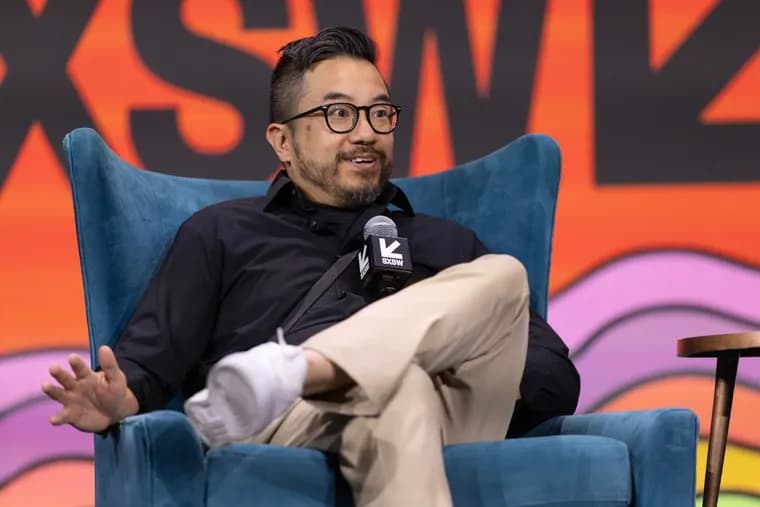
Y Combinator CEO Garry Tan has joked in the past that he suffers from "cyber psychosis" and sometimes barely sleeps because he is so excited to work with AI agents. On a new episode of Walter Isaacson's podcast The Builders, set to publish on Tuesday, he put a price on it. "I spend about maybe $100[,000] to $200,000 a year on tokens," he told Isaacson. The figure is his own rough estimate, as reported by TechCrunch.
Tan uses agents for countless work projects and coding tasks. He has freely shared his set of 23 Claude Code skills, called gstack, on GitHub, which he said is an effort to help teach others what agents can do.
He also uses an agent in two ways. One is the common one: researching Isaacson's podcast and preparing for the questions he might be asked. The other is to help run his life. Of that agent he said: "It's read all of my email and all of my Dropbox. It's read, like, all of my Apple Notes, even my therapy notes going back 20 years." He describes agents as help with "almost anything that you do in your day-to-day life," done "somewhat more autonomously." His image for it: a Jiminy Cricket on your shoulder at all times, which knows you, runs ahead to ask "What about this?" and helps you "see around corners."
Tan is an early OpenClaw adopter who is now a power user. One lesson he draws is not to treat AI agents like traditional software. Some people worry so much about "repeatability and safety" that they trade away "all of the beautiful parts of working with an AI agent," which he says can be very similar to a human.
Y Combinator uses an agent too, one that is "rebuilding the way we operate at YC," in Tan's words. It is an internal agent named Stray Light that has a personality and a "company brain." According to Tan it has the total context of every founder YC has ever backed, anyone who has ever emailed YC, and all the applications.
Tan believes personal AI agents will eventually become mainstream, but only if one major problem is solved: costs have to come down. "It's too expensive right now," he said, adding that he knows his own spending is "a crazy privilege that not everyone can do."
He also does not see free agents controlled by Big Tech as the answer. Discussing the future he would like technology to build, and how Meta as a social media company has affected people, he said: "This is a huge company that controls the algorithm, and we all wish that they didn't at some level." His alternative: "So you could imagine a personal AI that you control, that you program."
Key facts
- Garry Tan, Y Combinator CEO, said on Walter Isaacson's podcast The Builders that he spends "about maybe" $100,000 to $200,000 a year on tokens.
- His personal agent has read his email, Dropbox and Apple Notes, including therapy notes going back 20 years.
- Y Combinator runs an internal agent called Stray Light, with a personality and a "company brain" holding context on every founder YC has backed, everyone who has emailed YC, and all applications.
- Tan has shared gstack, a set of 23 Claude Code skills, on GitHub to help teach others what agents can do.
- He thinks personal agents will go mainstream only if costs fall, and favors a personal AI users control over free agents run by Big Tech.
Why it matters
There is no new product or result here; it is one heavy user's account. What stands out is the scale he names: a six-figure annual token bill from the head of Y Combinator, who also describes agents handling both work and personal life. His own verdict on cost, "It's too expensive right now," is the practical point. He ties mainstream adoption of personal agents to one condition, that costs come down.
Who it affects
Mainly people watching whether personal AI agents can reach ordinary users. Tan calls his spending "a crazy privilege that not everyone can do," so the setup he describes is out of reach for most. It also touches startup founders and anyone who has emailed or applied to Y Combinator, since the internal Stray Light agent holds context on every founder YC has backed, everyone who has emailed YC and all applications, according to Tan.
How to use it
Tan has shared his set of 23 Claude Code skills, called gstack, on GitHub, and says the aim is to help teach others what agents can do. His advice is to avoid treating agents like traditional software, and not to give up the benefits of working with an agent out of worry over repeatability and safety. The source does not say what the individual gstack skills do beyond that.
How solid is it
This is Tan's own account in a podcast interview, reported by TechCrunch ahead of the episode's Tuesday release. The spending is his approximate figure ("about maybe"), not an audited number. The source does not say which model provider the spend goes to, or whether Tan or Y Combinator pays it. The claims about what Stray Light knows are also his description.
Risks and caveats
The access Tan describes is broad: email, Dropbox and Apple Notes, including 20 years of therapy notes. The source gives no privacy or security safeguards for it, and says nothing about access beyond those sources. Tan himself plays down worries about repeatability and safety, which is a view, not a finding. The source gives no timescale for when personal agents might become mainstream, and reports no response from Meta or Y Combinator.
“It’s too expensive right now”
— Garry Tan, Y Combinator CEO, on personal AI agents