AI-generated Instagram influencers copy comedians' jokes word for word, and Meta says that's allowed
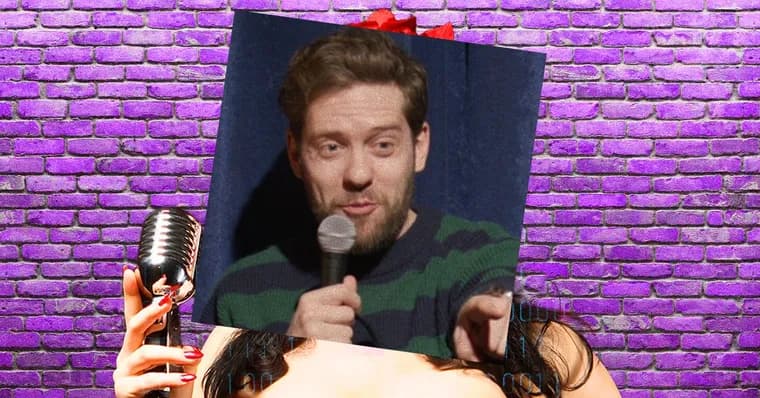
WIRED reports that AI-generated, scantily clad female accounts on Instagram are copying stand-up comedians' viral jokes and using them to build audiences that are then steered toward adult subscription content.
The story starts with stand-up comedian Julia Jasunas, who got a DM from a fellow comic last week. A purported comic named Aylen Skye, an Instagram account with 250,000 followers, had posted a clip of a joke about renting out a room in a two-bedroom apartment to a cute guy. It was Jasunas' joke, verbatim, down to the "ums" and "ahs." The website Skye advertised, AylenTV.com, redirected to NSFW content on Fanvue, a subscription-based OnlyFans competitor that markets itself as the "No1 AI monetisation platform for creators." Jasunas was fairly convinced Skye was AI, partly because every comment under its videos was positive; female comics, she says, usually get men berating and objectifying them. She reported the video to Meta for impersonation. Meta told her it did not violate community guidelines because Skye was not pretending to be her, only passing her joke off as its own. "They just didn't seem to care," she says. Most of Skye's posts are now flagged as AI content, though the account itself is not.
Skye does not appear to be the only AI-generated account targeting comics. WIRED identified eight comics whose videos were replicated by AI-generated women, many of whom follow each other on social media. The copies are of already-successful viral clips, but with better lighting, better sound and skimpier outfits, and they play to bigger audiences. The accounts also post flirty, clearly AI-generated late-night interviews with hosts such as Conan O'Brien and Jimmy Kimmel, plus the occasional "edgy" racist or transphobic joke aimed at the MAGA crowd. Some AI videos perform better than the originals. Mandy Martino, who also had a joke lifted by Skye, said: "AI is evolving very fast, and we need rules to protect creators before this becomes a bigger issue." Skye did not respond to WIRED but has commented under comics' videos calling it out, including: "if you focused on putting out content instead of making whinny [sic] posts like this, you'd be as successful as me."
Comics have complained about AI accounts stealing their content since June; stand-up Steph Clark regularly documents what she calls "weird pick-me AI slop" on her Instagram. An early example was a leggy redhead on a stool delivering a nonsensical punch line with a vacant expression. Since then, the article says, the technology has improved exponentially, to the point where it is hard to tell whether the women in the videos are real. One example is Tiffany Sloane, which describes itself as an actress in its Instagram bio and has more than 375,000 followers. It started the account in August, is also on TikTok and Facebook, and links to an OnlyFans profile from its Highlights, like Skye. Writer Ryan Broderick calls its presence a "super horny AI-generated short-form video content farm."
On October 3, comedian George Brett Olson posted a viral video captioned "AI stole my joke!!!" The clip put his bit, about Republicans ignoring the risks of AI in favor of manufacturing panic over illegal immigration, side by side with Sloane's near-identical version. Both comics stood before identical backdrops in similar salmon shirts and khaki shorts; only the punch line, which includes an expletive in Olson's version, differed. Olson says his followers reported it to Meta and, according to them, Meta replied that it did not violate guidelines. "This is my intellectual property. I created it," he says. Sloane left a comment on his page, "sorry, won't happen again," and then deleted the video and many other Reels. Sloane did not immediately respond to WIRED.
Olson tagged Instagram head Adam Mosseri, who replied that he did not think it was "practical for us to try and ban AI content," but that Instagram was "very invested in trying to drive more traffic to original content creators, and if an AI creator is ripping off content wholesale, it would be good for us to work out what we can do about that." Asked by WIRED, Meta spokesperson Francis Brennan declined to comment further: "Our policies are pretty clear around this stuff, and Adam's comment speaks for itself." All the AI-generated accounts WIRED flagged are still on the platform.
Legal routes look thin. Jokes have historically enjoyed very little copyright protection, partly because stand-up is ephemeral and many setups and punch lines have circulated for years in slight variations. Aaron Perzanowski, now a law professor at the University of Michigan, told NPR in 2017 that for low-dollar-value creative work, "we don't see a lot of litigation." Olson says an intellectual property lawyer he consulted told him that unless Sloane was making millions on OnlyFans, threatening a lawsuit was probably more trouble than it was worth.
Not everyone in tech objects. Andreessen Horowitz partner Justine Moore publicly praised Sloane in an X post, calling its online presence "a genius marketing hack." Olson doubts AI evangelists will defend the creatives being exploited, or that the commenters on Sloane's and Skye's pages care whether they are real. "We're asking the essential question, does the artist matter? And to those 350,000 people that follow Tiffany Sloane, the answer is clearly no."
Key facts
- WIRED identified eight comics whose viral stand-up videos were replicated by scantily clad, AI-generated women on social media; the copies often draw bigger audiences than the originals.
- Aylen Skye (250,000 Instagram followers) repeated Julia Jasunas' joke verbatim; its website redirected to NSFW content on Fanvue, a subscription-based OnlyFans competitor.
- Tiffany Sloane (more than 375,000 followers per WIRED) copied a George Brett Olson bit after he posted a viral side-by-side on October 3, then deleted the video and many other Reels.
- Meta told comics the copies do not violate community guidelines; Instagram head Adam Mosseri said banning AI content is not practical but it would be good to work out what to do about wholesale ripping off.
- All AI-generated accounts WIRED flagged are still on the platform, and comics have little legal recourse because jokes have historically had very little copyright protection.
Why it matters
The case shows a gap in how Instagram's rules work. Its guidelines prohibit impersonation, but WIRED says they do not extend to copying someone else's content, particularly if it is not copyrighted, and AI content is allowed so long as it is labeled. The result is that a synthetic account can take a real comic's finished joke, polish the presentation and use it to funnel viewers toward adult subscription content. The comics' complaint is bigger than one joke: Martino says the real worry is a change that needs to be dealt with early, and that Instagram saying it is not a problem is "the scariest part."
Who it affects
Stand-up comedians first: WIRED counted eight whose videos were replicated, and Jasunas, Martino and Olson are named. Women comics also face the sexualized framing; Jasunas called it "violating on so many different levels." The story also touches Instagram and Meta, which face pressure over how they treat original creators versus AI copycats, and the audiences who follow the AI accounts without, in Olson's view, caring whether they are real.
How to use it
This is a news report, not a tool. For comics, the article shows what they currently do: friends alert one another to copies, victims report videos to Meta, and some post public side-by-side call-outs, as Olson did, which led Sloane to delete its video. Steph Clark documents such accounts on her Instagram. Reporting for impersonation did not work for Jasunas, because Skye was not posing as her.
How solid is it
This is a reported feature from WIRED built on named, on-the-record interviews with Jasunas, Olson and Martino, on-the-record statements from Mosseri and Meta spokesperson Francis Brennan, and side-by-side video comparisons. Some pieces are secondhand: Olson's account of Meta's response comes from followers who reported the video, and Jasunas' belief that Skye is AI rests on its uniformly positive comments. Follower counts differ slightly in the piece: WIRED says Sloane has more than 375,000, while Olson cites 350,000.
Risks and caveats
Meta has not announced any policy change or removed any account; Mosseri only said it would be good to work out what can be done. Legal options look weak: jokes have historically enjoyed very little copyright protection, and Olson's lawyer reportedly said a lawsuit was probably not worth it unless Sloane was making millions. Sloane's deletions and apology comment may not mean the behavior stops. Meanwhile some in tech, such as Andreessen Horowitz partner Justine Moore, have praised the approach as a marketing hack, so pressure for change is not unanimous.
“very invested in trying to drive more traffic to original content creators, and if an AI creator is ripping off content wholesale, it would be good for us to work out what we can do about that.”
— Adam Mosseri, Instagram head, replying to comedian George Brett Olson