Fake Mia Goth image shows how celebrity AI deepfakes spread on Instagram
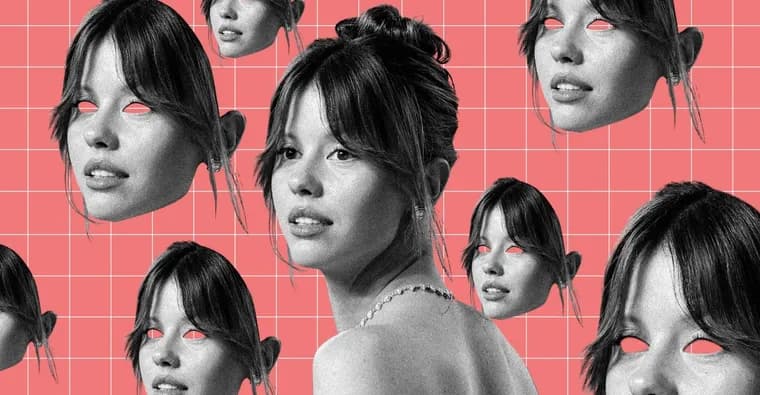
The Verge reports on the spread of AI-generated images and videos of celebrities on Instagram and elsewhere, starting with one case. Days after actress Mia Goth, star of Pearl, filed for divorce from actor and filmmaker Shia LaBeouf, an image appeared on Instagram showing her in a T-shirt reading MY EX IS MY BIGGEST FAN, with Beyoncé's 'Single Ladies (Put a Ring on It)' added to the post. It was fake. The account that posted it, @miagoth_, had more than a million followers and a blue verified checkmark, even though it was labeled a fan account. Within days the image had nearly 500,000 likes, including from peers in the entertainment industry. The Verge notes that Goth doesn't have much of a social media presence, if any.
The Verge reported that the image was AI-generated. Goth's representative said they had complained to Instagram before about the same account posting 'counterfeit, AI images' of Goth. Meta allows users to purchase blue verified checkmarks, even if the account is not run by a prominent figure or is not an official page. The representative, Christine Tripicchio, told The Verge by email that the fact the fan account qualified for a blue check is 'disconcerting on a fundamental level', and that it is 'incomprehensible' that Instagram evidently prioritizes the dissemination of forged and manipulated images over the protection of a public figure's likeness.
Because of the divorce news, the post passed through celebrity gossip outlets, and that coverage carried it into Google search. Searches for the actress and the shirt triggered an AI-generated overview saying Goth was taking 'a clear swipe at her ex, Shia LaBeouf, following their recent divorce filing', citing those blogs. A search section headed 'Mia Goth turns heads on Instagram by wearing a sassy My ex is my biggest fan t-shirt' was featured prominently. Instagram eventually removed the account for impersonating a public figure. The Verge adds that the post suggested Goth was taunting LaBeouf, who has been accused of abuse by another ex-partner and was filmed in 2015 saying he 'would have killed [Goth]' if he had continued to argue with her. In The Verge's words, the fake was attention-grabbing, shady and timely: perfect for virality, and a potential liability for the parties involved.
The article places this in a longer history. Famous people have not taken well to being digitally cloned: an AI-generated Drake sound-alike song was wiped from YouTube after copyright strikes; Scarlett Johansson hired a legal team after OpenAI released a ChatGPT voice that sounded like her without her consent; Ariana Grande is said to have blocked an account posting AI content of her last year; and Taylor Swift endorsed Kamala Harris in 2024 after Donald Trump posted fake images suggesting she had endorsed him. The Verge says there was a moment when everyone was grappling with norms around the new technology, but now the volume of AI content online keeps growing, and it is not clear if anyone is trying or able to stop it.
Much of it is sexual when it depicts women. One profile posts only AI images of Johansson, often with bare feet prominently displayed, offers contact details for advertisers and links to Patreon and Telegram channels selling subscriptions; off-platform it used her name and AI image to advertise adult content. Another account posts realistic AI images of actors and musicians such as Millie Bobby Brown, Zendaya and Grande, always partially undressed or in sexualized positions. Other accounts have niches, such as 'Stranger Things actors getting married to each other'.
After The Verge asked Meta about eight accounts posting celebrity deepfake content, spokesperson Alex Dziedzan said the company had removed some of them. Two, the Goth account and the Johansson one, appear to be taken down. Dziedzan said in an email: 'We do not permit accounts to use someone's likeness to pose as that individual, regardless of whether the content is authentic or AI-generated.' Yet another Instagram account, still live and with over 300,000 followers, posts a steady stream of Johansson pictures and videos that look like a mix of authentic and AI-generated material. One of its most popular posts, what looks to be an AI image of Johansson, has nearly half a million likes. It carries no AI disclosure, in line with Meta's rules.
Video is a bigger pile. An AI video of Taylor Swift in her 2009 VMAs dress, holding a drink and rapping along to Drake's 'Burning Bridges', has 1.8 million views on Instagram. A clip of AI Shrek doing the same thing has 3.1 million views. An AI Steve Jobs with a bottle of champagne, swaggering to a different Drake song, has 371,000 views, and an identical Lionel Messi version posted by a different account has 2.1 million. AI versions of Formula 1 drivers Lewis Hamilton and Max Verstappen lipsyncing to 'APT' by Bruno Mars and Rosé have 2.9 million views. Another clip shows AI Swift's wedding to AI Travis Kelce at AI Madison Square Garden. Commenters sometimes notice: one wrote that they didn't think her PR team would like her saying the N word, another noted 'ai he wore white tuxedo'.
On the rules, the article says that in the absence of national right of publicity laws, AI content featuring real people is being litigated at the platform level. The US Take It Down Act, signed into law in 2025, criminalizes distributing nonconsensual intimate imagery, including AI-generated content, and compels platforms to remove it within 48 hours. Meta labels much AI content: realistic videos of people and AI-voice audio must carry a label, and it added 'AI-generated profile' labels for whole accounts whose avatar doesn't exist in the real world. But still images are exempt, so the fake Goth image would not have required a disclosure. Meta's labeling does not address what The Verge calls a cottage industry of accounts pumping out AI imagery of real people that the algorithm seems to like. One profile advertises $29-per-month online courses on making money through AI content, and Facebook has a genre of AI movie premiere videos where original cast in costume walk a red carpet beside actors from a recast version.
YouTube is described as having perhaps the most robust system. Its likeness detection scans the platform for visual matches of a person and, as of recently, sound-alikes, and lets them request takedowns. Not every request is accepted; YouTube says it weighs public interest, newsworthiness and consent. The program started with public figures such as celebrities, creators, politicians and journalists and now covers every adult with a YouTube account. YouTube has said the number of takedown requests is relatively small, and vice president of creator products Amjad Hanif said in a March press briefing that what creators find posted of them is often 'fairly benign or additive to their overall business'. YouTube spokesperson Jack Malon said the tool was developed in partnership with the entertainment industry and that in the first half of 2026 YouTube removed over 95 percent of the videos reported through it for takedown. The Verge concludes that the Goth episode illustrates the failure of trust and safety provisions meant to protect against this kind of confusion.
Key facts
- A fake image of Mia Goth in a 'MY EX IS MY BIGGEST FAN' T-shirt, posted days after her divorce filing by the verified fan account @miagoth_ (more than a million followers), drew nearly 500,000 likes.
- Google search surfaced the fake through gossip coverage, and an AI-generated overview described it as a swipe at Shia LaBeouf.
- After The Verge asked Meta about eight accounts, Meta said it removed some; the Goth and Johansson accounts appear to be taken down, while another Johansson account with over 300,000 followers is still live.
- Meta requires AI labels on realistic videos and AI voice audio but exempts still images; users can buy blue checkmarks.
- YouTube's likeness detection now covers every adult with an account, and YouTube says it removed over 95 percent of videos reported through it in the first half of 2026.
Why it matters
The Goth case shows several weak points at once: a bought blue check made a fan account look credible, a still image fell outside Meta's labeling rules, and gossip sites and a Google AI overview repeated the fake as fact. The Verge argues that the volume of such content keeps growing and that it is not clear if anyone is trying or able to stop it. With no national right of publicity law, the article says, these cases are being settled platform by platform.
Who it affects
Celebrities and public figures whose likeness is copied, including Goth, Johansson, Grande, Zendaya and Millie Bobby Brown as named in the article. It also affects ordinary users and fans who may take fakes for real, gossip outlets that amplify them, and platforms such as Instagram, Facebook, YouTube and Google search. YouTube's likeness detection now extends to every adult with a YouTube account, not only public figures.
How to use it
This is a report, not a tool, but it gives a few practical points. A blue check on Instagram is not proof of an official account, since Meta lets users purchase one. A missing AI label on a still image proves nothing, because Meta exempts still images from labeling. People who want to find and contest copies of their likeness on YouTube can use its likeness detection program, which scans for visual matches and sound-alikes and lets them request takedowns; YouTube weighs public interest, newsworthiness and consent. In the US, the Take It Down Act requires platforms to remove nonconsensual intimate imagery, including AI-generated, within 48 hours.
How solid is it
The piece is reporting by The Verge, backed by named sources: Goth's representative Christine Tripicchio, Meta spokesperson Alex Dziedzan and YouTube spokesperson Jack Malon. The view counts and follower numbers are as The Verge states them. YouTube's 95 percent removal figure is the company's own claim, covering videos reported through the program in the first half of 2026. The article's conclusions about the scale of the problem and the failure of trust and safety provisions are the author's own judgments.
Risks and caveats
Meta said only that it removed 'some' of the eight accounts; the article does not say which of the others came down. It does not say the Swift, Shrek, Jobs, Messi or Hamilton and Verstappen videos were removed or face any enforcement. The Take It Down Act, as the article describes it, covers nonconsensual intimate imagery, not celebrity deepfakes in general. The YouTube figure counts reported videos that were removed, and YouTube notes that not every takedown request is accepted. The article also carries strong allegations about LaBeouf from a past statement and another ex-partner's accusation; these are background, not findings of this report.
“The fact that this fan account meets Instagram’s criteria to qualify for a ‘blue check’ is disconcerting on a fundamental level”
— Christine Tripicchio, a representative for Mia Goth, in an email to The Verge