Hegseth memo warns Pentagon staff against insider bets on Polymarket and Kalshi
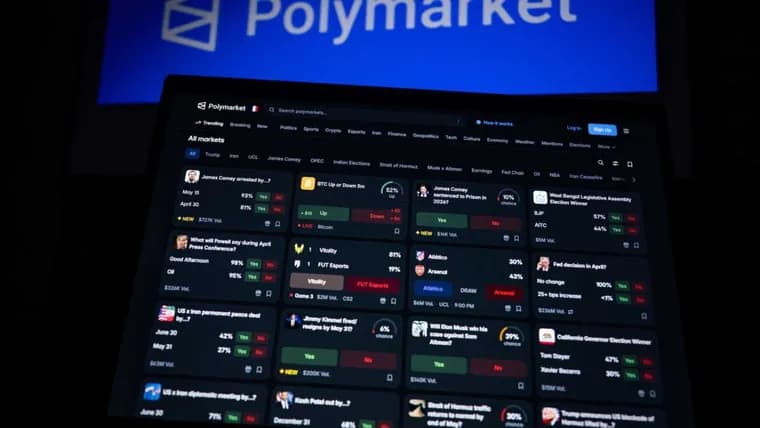
Defense Secretary Pete Hegseth has issued a memo warning military personnel against using nonpublic information to place bets on prediction markets. His argument is that the wagers could give important clues to enemy countries.
The memo is dated October 20 and carries the subject line "Do Not Compromise Military Operations for Personal Financial Gain." CBS News published it the day before the Ars Technica article. It went to senior Pentagon leadership, Combatant Command leaders and Defense Department field activity directors.
Hegseth's reasoning is about signals. "Our enemies watch movements in these markets," he wrote. When an American service member, intelligence professional or other Department civilian makes a financial transaction on a military outcome, he said, they create a signal. "That signal can be aggregated, correlated, and exploited by hostile foreign intelligence services to anticipate our movements, targets, and timing." He added that the lives of service members often depend on the enemy not knowing what is coming.
The scope is wide. The memo says the prohibition applies to "all financial platforms," including traditional betting services and prediction markets such as Polymarket and Kalshi. Defense Department personnel may not make any financial transaction informed by nonpublic information, whether that information is classified or unclassified.
As background, Ars Technica points to two earlier episodes. In April, a US Army soldier was arrested and charged with using confidential information to make $410,000 in Polymarket bets on the timing of the military's capture of Venezuelan President Nicolás Maduro. And an August report by the Anti-Corruption Data Collective said the group found 152 suspicious wallets that placed longshot bets on military and defense markets and won a combined $8 million.
Key facts
- Defense Secretary Pete Hegseth's October 20 memo warns military personnel against using nonpublic information to bet on prediction markets, saying such wagers could give clues to enemy countries.
- The ban covers "all financial platforms," including traditional betting services and prediction markets such as Polymarket and Kalshi, and applies to both classified and unclassified nonpublic information.
- The memo went to senior Pentagon leadership, Combatant Command leaders and Defense Department field activity directors; CBS News published it.
- In April, a US Army soldier was arrested and charged over $410,000 in Polymarket bets on the timing of the capture of Venezuelan President Nicolás Maduro.
- An August Anti-Corruption Data Collective report found 152 suspicious wallets that placed longshot bets on military and defense markets and won a combined $8 million.
Why it matters
Prediction markets let people bet on real-world events, including military operations. Hegseth's memo treats those bets as an intelligence risk: in his words, a transaction on a military outcome creates a signal that hostile foreign intelligence services can aggregate, correlate and exploit to anticipate US movements, targets and timing. The April case of a soldier charged over Maduro-capture bets gives the concern a concrete example.
Who it affects
The memo addresses military personnel and Defense Department civilians, including service members and intelligence professionals. It was sent to senior Pentagon leadership, Combatant Command leaders and field activity directors. Prediction market platforms such as Polymarket and Kalshi are named as covered venues, though the memo's target is the conduct of Pentagon staff rather than the platforms.
How to use it
For Defense Department personnel, the rule as reported is simple: do not make any financial transaction informed by nonpublic information, whether it is classified or unclassified, on any financial platform. For compliance staff and commanders, the memo is the reference point. Anyone tracking prediction markets can read it as a sign that government attention is turning to insider-style betting on military outcomes.
How solid is it
The memo text comes from CBS News, which published it, and Ars Technica quotes it directly. The April arrest and the $410,000 figure, and the August report's 152 wallets and $8 million in combined winnings, are stated by Ars Technica; the wallet figures are the Anti-Corruption Data Collective's own findings.
Risks and caveats
The source names no penalties or enforcement mechanism for violating the memo. The soldier in the April case is not named, and no outcome of the case is given. The source does not say the 152 wallets belonged to military or defense personnel, so that report should not be read as evidence of insider betting by Pentagon staff. It also does not say whether Polymarket or Kalshi responded.
“The lives of our Service members often depend on the enemy not knowing what is coming.”
— Pete Hegseth, Defense Secretary, in an October 20 memo