Pennsylvania requires labels on AI-generated ads under new law
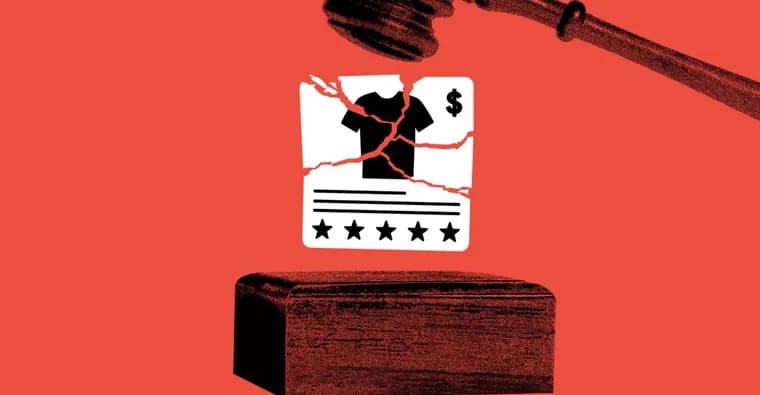
On Thursday, Pennsylvania Governor Josh Shapiro signed the Artificial Intelligence Deceptive Advertising Act into law. It requires disclosures on AI-generated ads.
The law covers any ad, whether a still image, video, audio or text, that "has been significantly modified or generated by artificial intelligence." Such an ad must carry a label in the same format as the ad itself. The Verge notes that this applies to TV commercials from multi-billion-dollar companies as well as to restaurant flyers about wing specials.
The Verge describes Pennsylvania as one of the first states to require disclosures on AI content. The labels are required regardless of where an ad was created, so viewers in other states might see disclosures in commercials that are also expected to air in Pennsylvania.
The Verge also argues the law leaves many loopholes. What counts as "significantly modified" is subjective. There is a carve-out for "parody, satire, commentary or criticism," and for anything "evidently fictional," a phrase whose meaning is unclear. The wording also suggests that only content that "uses synthetic content in a manner that creates a false consumer perception" about a product or service would need a disclosure. That leaves open what qualifies as "false" under the law and who decides.
The office of State Senator Nick Pisciottano, who introduced the bill, did not immediately return a request for comment.
Key facts
- Pennsylvania Governor Josh Shapiro signed the Artificial Intelligence Deceptive Advertising Act on a Thursday.
- Any ad (image, video, audio or text) "significantly modified or generated by artificial intelligence" must carry a label in the same format as the ad.
- The labels are required regardless of where the ad was created, so commercials from other states airing in Pennsylvania are covered.
- The Verge says Pennsylvania is one of the first states to require such disclosures.
- Loopholes include the subjective term "significantly modified," a carve-out for parody, satire, commentary or criticism and for anything "evidently fictional," and a focus on content creating a "false consumer perception."
Why it matters
Pennsylvania is one of the first states to require disclosures on AI content, according to The Verge. The rule covers ads in every common format: still images, video, audio and text. Because labels are required regardless of where an ad was created, the effect can reach beyond the state.
Who it affects
Advertisers of any size, from multi-billion-dollar companies running TV commercials to restaurants printing flyers. Companies based in other states may also be affected if their ads are expected to air in Pennsylvania. Viewers and readers may see more AI disclosures as a result.
How to use it
For advertisers, the practical requirement is a label on any ad significantly modified or generated by AI, in the same format as the ad itself. The Verge's reading is that the duty centres on content that creates a false consumer perception about a product or service.
How solid is it
The signing and the core requirement come from The Verge's report describing the law and quoting its text. The report gives no calendar date for the signing beyond Thursday. The Verge's assessment of the loopholes is its own analysis, not a ruling or an official interpretation.
Risks and caveats
The Verge points to several gaps. "Significantly modified" is subjective. The carve-out for parody, satire, commentary or criticism, and for anything "evidently fictional," is unclear in scope. The law appears to require disclosure only for content creating a false consumer perception, and it is unclear what counts as "false" and who decides. The Verge's report does not describe penalties, enforcement or an effective date, and the bill's sponsor had not responded to a request for comment.
“The law leaves many loopholes, though.”
— The Verge