Man faces up to three years in Singapore over Gemini crocodile image
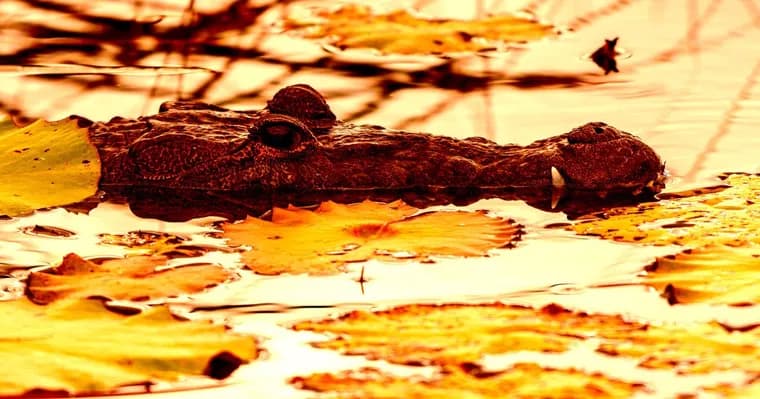
A Malaysian man, the 30-year-old Ye Lin, is facing up to three years in a Singaporean prison after a text containing an AI-generated image shut down the city-state's largest reservoir for days.
According to the BBC, as cited by Futurism, Ye sent a colleague a photo of a saltwater crocodile lurking in the Pandan Reservoir. The image was entirely generated by Google Gemini. Pandan is a 435-acre basin in Singapore's western residential district; the article notes that New York's Central Park Reservoir, at 106 acres, is roughly a quarter of that size.
The article says it is not known exactly how, but the image evidently set off a game of telephone that ended with officials at Singapore's national water agency. The reservoir was then shut down while water agency officials and national park staff searched the water for a crocodile that did not exist. Groups whose activities center on the reservoir, including the Singapore Canoe Federation and the Singapore Rowing Association, suspended their operations during the search.
After examining the image closely, government officials determined it was AI-generated. Ye was charged with "sending a false message", an offence in Singapore with a maximum sentence of up to three years in prison and a possible fine of around $8,000. He also allegedly deleted the material from his phone, which looked like an attempt to conceal evidence and brought an additional charge of "obstructing the course of justice".
As the South China Morning Post reported, Ye told the court he plans to plead guilty to the charges. In a statement shared by SCMP, police said: "Apart from causing fear and inconvenience to members of the public, such falsehoods also result in public resources being unnecessarily deployed to deal with these incidents."
Key facts
- Ye Lin, 30, a Malaysian man, sent a colleague a saltwater crocodile photo "entirely generated by Google Gemini", supposedly taken at Singapore's Pandan Reservoir.
- The image reached Singapore's national water agency by a route the article says is not known; the 435-acre reservoir was shut for days while officials and national park staff searched it.
- Ye was charged with "sending a false message" (maximum three years in prison, possible fine of around $8,000) and, for allegedly deleting the material from his phone, "obstructing the course of justice".
- Ye told the court he plans to plead guilty, per the South China Morning Post; no sentence has been handed down.
- The Singapore Canoe Federation and the Singapore Rowing Association suspended their operations during the search.
Why it matters
The case shows a piece of AI-generated content leading to a real-world shutdown and criminal charges. A single image sent to one colleague ended up closing the city-state's largest reservoir for days and triggering a search by water agency officials and national park staff. The article describes such AI slop as the kind that is supercharging misinformation across much of the world's internet. Police framed the harm in their statement: fear and inconvenience for the public, and public resources deployed unnecessarily.
Who it affects
Most directly Ye Lin, who faces up to three years in prison and a possible fine of around $8,000 on the false-message charge, plus a separate charge of obstructing the course of justice. The search also affected water agency officials and national park staff who combed the reservoir, and groups such as the Singapore Canoe Federation and the Singapore Rowing Association, which suspended their activities. More broadly, it touches anyone who creates or forwards AI-generated images.
How to use it
There is no product or tool to adopt here. The practical lesson from the reported facts: an AI-generated image passed along as if real can lead to a criminal charge in Singapore, and the alleged deletion of the material from Ye's phone added a second charge instead of helping him.
How solid is it
The account rests on the BBC for the incident and on the South China Morning Post for Ye's plan to plead guilty and for the police statement; Futurism relays both. The article itself says it is not known exactly how the image travelled from the colleague to the water agency. Ye's deletion of the material is stated as an allegation. No dates for the incident, charges or hearing are given.
Risks and caveats
Three years and the roughly $8,000 fine are the stated maximum and a possible fine, not a sentence; none has been handed down. The article gives the length of the closure only as "days" and does not say what the search cost. It does not say whether Ye meant the image as a hoax or a joke, and it carries no comment from Ye, the colleague, the water agency or the canoe and rowing groups.
“Apart from causing fear and inconvenience to members of the public, such falsehoods also result in public resources being unnecessarily deployed to deal with these incidents,”
— Police statement, shared by the South China Morning Post