MeetTwins beta sends an AI bot with optional avatar to your Google Meet calls
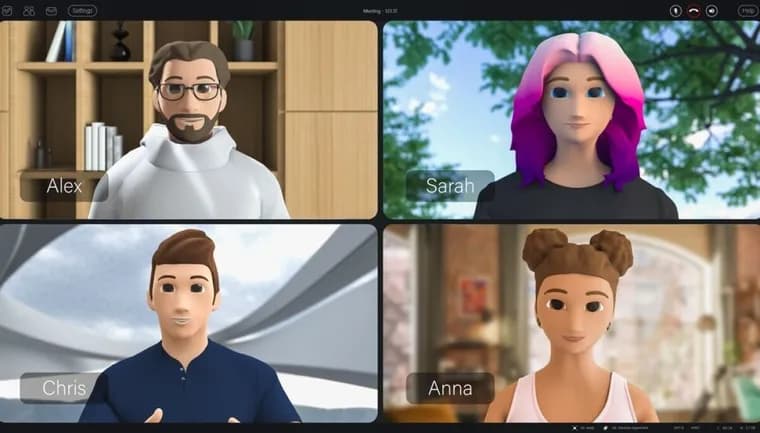
MeetTwins is an AI assistant from Indian developer Aditya Shinde, currently recruiting users for its beta. It has a single purpose: to attend Google Meet calls on behalf of its operator and relay approved information to colleagues, so the human does not have to spend time actually speaking to coworkers. The Register's write-up is part news, part commentary, and its tone is dry and sceptical.
According to the article, Shinde describes the tool on its website as inspired by his own wish to send an AI bot to his Google Meet calls. He turned the idea into a product built with AI models from the India-based firm Sarvam, with the ability to add a digital twin avatar created by Simli. The website lists use cases: status update meetings, students who have to juggle work with class, and sales and customer teams handling routine check-in calls with clients. The Register adds that it would not advise the last one for businesses that want customers to feel cared for.
Preparing MeetTwins for a call means telling it which questions to answer, supplying documents or files that participants may request, and giving it other context it may need. Certain topics can be marked off limits. Shinde told The Register in a LinkedIn conversation that the tool is solely designed to answer questions approved by its user, and that it will not guess, make anything up, or promise something a human ought to have final say on. In his words: "If a prospect asks something that isn't covered in the brief, MeetTwins will not try to improvise." Anything outside the defined scope is referred to the operator, who gets an email after the call summarising what was discussed and any open items to address.
The Register argues that nobody wants to sit through a dull meeting that could have been an email, but that sending an AI stand-in is unlikely to win camaraderie or support from coworkers. Shinde said he is aware of this and has built features to account for it. If anyone in the meeting is uncomfortable, they can type "/stop" in the chat and MeetTwins leaves immediately. He also said that clearly labelling the bot as an AI in the call, and announcing it when it first speaks, "actually builds trust". The Register doubts that holds for people who are sceptical of AI, and speculates that upset colleagues may simply eject the bot and send a grumpy email afterwards, possibly copying a supervisor. That is the outlet's conjecture, not a reported event.
The piece closes by calling it debatable whether this is a good use of AI, while noting that it shows how much time people waste in virtual meetings that could be an email or a Slack message.
Key facts
- MeetTwins, from Indian developer Aditya Shinde, is an AI assistant in beta that attends Google Meet calls on behalf of its operator.
- It is built with AI models from India-based firm Sarvam and can optionally add a digital twin avatar created by Simli.
- The operator briefs it beforehand with questions to answer, documents to share and off-limits topics; anything outside that scope is referred to the operator by email after the call.
- Anyone in the meeting can type "/stop" in the chat and the bot leaves immediately; it is labelled as an AI and announces itself when it first speaks.
- The Register is sceptical: it speculates that colleagues may eject the bot and send a grumpy follow-up email.
Why it matters
The tool takes a familiar complaint, meetings that could have been emails, and answers it by sending software to the call. It is a small, single-purpose product, and its design shows where the line is being drawn: the bot does not improvise, it only relays what the user approved in advance. The Register uses it to ask whether delegating attendance to an AI is a good idea at all, and calls that debatable.
Who it affects
The use cases on the MeetTwins website are people in status update meetings, students balancing work and class, and sales and customer teams handling routine client check-ins. The other group affected is the colleagues and clients on the receiving end, who may find themselves talking to an AI instead of a person. The Register suggests that is a poor fit for businesses that want customers to feel cared for.
How to use it
MeetTwins is currently recruiting users for its beta. To prepare it for a call, you tell it which questions to answer, provide documents or files that participants may request, add any other context it needs, and optionally mark topics off limits. A digital twin avatar from Simli can be added. After the call you get an email summarising what was discussed and any open items. No pricing or release date is given.
How solid is it
The product is in beta, and the article reports Shinde's own description of how it behaves, gathered in a LinkedIn conversation. No independent testing by The Register is reported. The piece mixes reporting with commentary: the claims about colleagues ejecting the bot are the outlet's opinion, not observed events. No reaction from Google, Sarvam or Simli is given.
Risks and caveats
Colleagues who are upset at dealing with an AI may eject the bot and follow up with an irritated email, possibly copying a supervisor; this is The Register's speculation. Shinde's answer is the "/stop" command and clear labelling of the bot as an AI, which he says builds trust, though The Register doubts that works on AI sceptics. The design limit is that the bot will not improvise beyond the brief, so anything unforeseen goes back to the human after the call.
“If a prospect asks something that isn't covered in the brief, MeetTwins will not try to improvise”
— Aditya Shinde, to The Register