Meta's blockbuster trial draws parallels to big tobacco
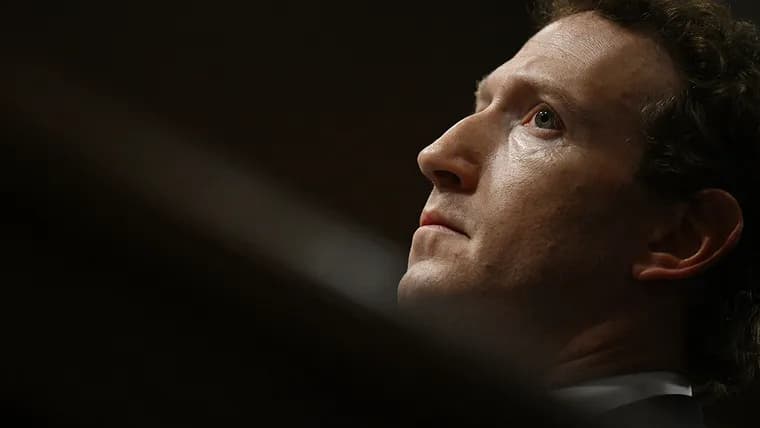
Oral arguments began on August 18th in a federal courtroom in Oakland, California, in a trial involving Facebook, Instagram and their parent company, Meta. The case draws parallels to the decades of litigation the tobacco industry faced over concealing harm caused by its products.
The underlying allegations trace back to whistle-blowers who came forward in the early 2020s claiming that the social media giant hid evidence that its products were harmful. Whether those claims are related to the trial getting underway in Oakland is not stated in the available reporting.
The story is getting extra attention because of timing: in early October, a dramatized sequel to the film "The Social Network" titled "The Social Reckoning" is scheduled for release. It portrays the role of those same early-2020s whistle-blowers who alleged the company concealed the harms of its products, putting a Hollywood spotlight on the same events now playing out in court.
Despite the high profile of the case, investors are not yet showing signs of alarm. The available reporting does not specify the plaintiffs, the precise legal claims at trial, the presiding court or case name beyond "a federal courtroom in Oakland," nor any verdict, financial figures, or damages sought.
Key facts
- Oral arguments opened August 18th in a federal trial involving Facebook, Instagram and parent company Meta in a courtroom in Oakland, California.
- The trial is drawing comparisons to litigation against the tobacco industry over concealed product harm.
- Whistle-blowers came forward in the early 2020s claiming the company hid evidence its products were harmful.
- A dramatized film, "The Social Reckoning," a sequel to "The Social Network" depicting the whistle-blowers' story, is scheduled for release in early October.
- Investors are reported as not yet panicking over the trial, though no further detail on market reaction is given.
Why it matters
The comparison to big tobacco is deliberate: that industry's litigation history set a template for how courts and the public came to treat a company that allegedly knew its products caused harm and said nothing. Applying that frame to Meta signals that this trial is being watched as a potential turning point in how liability for social media's effects on users gets tested in court, not just as one more lawsuit among many.
Who it affects
Meta and its Facebook and Instagram products are the direct subject of the trial. The whistle-blowers whose early-2020s allegations are dramatized in the film are central to it; whether those same allegations underpin the trial is not stated in the available reporting. Investors in Meta are named as an interested audience, and more broadly the outcome is relevant to anyone tracking how tech platforms may be held accountable for harm tied to their products.
How to use it
There is no product or tool here to adopt; the practical takeaway is what to watch. The trial itself, which just opened with oral arguments in Oakland, is the immediate thing to follow. Readers interested in the whistle-blowers' story can also expect "The Social Reckoning" in early October, which dramatizes their early-2020s allegations against the company.
How solid is it
The available text is a short opening excerpt from an Economist report and does not include the plaintiffs' names, the specific legal claims, the court or case name beyond "a federal courtroom in Oakland," or any outcome. Oral arguments only started on August 18th, so there is no verdict or result to assess yet.
Risks and caveats
Key details are missing from what is available: who exactly is suing, what specific claims are being litigated, what damages are sought, and how investors are actually reacting beyond the general framing that they are not panicking. The trial's outcome, and how closely it will actually track the tobacco-litigation parallel invoked in the headline, remains unknown.
“Reckoning or not, the trial could be a blockbuster.”
— The Economist