MIT Technology Review explains how it picked its 2026 climate tech companies to watch
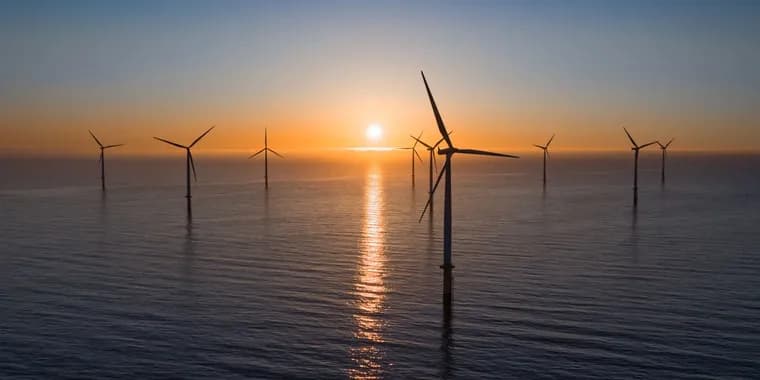
MIT Technology Review's climate team has published a note on how it built the 2026 edition of its annual list of Climate Tech Companies to Watch. The team says the task felt more daunting than in any year since it began compiling the list in 2023. Its reasons: this year is shaping up to be one of the hottest ever recorded, climate-fueled disasters such as wildfires and floods are killing thousands and costing billions of dollars, and political shifts and international conflict have stalled progress, particularly in the US. The authors write that technology alone can't solve climate change, but they believe innovations can help make real changes.
The process starts with nominations from the magazine's own reporters and editors. The team also asks experts for suggestions and reaches out to academics, researchers, investors and analysts. Each nominee is then examined, with the team digging through literature, reports and patents to vet both the technology and the business. The focus is on companies with an established track record, whether through research findings, capital raised or deployments. The subtitle says reporters and editors evaluated dozens of companies from around the world for potential impact, scalability and signs of commercial progress.
Companies are also judged on how they fit the list as a whole. The team wants the final slate to represent a range of industries, include firms from around the globe at different stages of development, and balance companies that were included before with new names. It also looks for nominees that reflect the year's most important trends and events.
On geography, the authors say the dismantling of US federal regulations and cuts to government financial incentives for innovation mean the US is no longer a leader in climate tech. Like last year, the 2026 list is largely made up of companies based outside the US. China is called an obvious hotspot, and two Chinese companies are on the list: WeLion, which is building semi-solid-state batteries for electric vehicles, and Envision Energy, which is installing huge amounts of wind power and energy storage in China and around the world.
The piece singles out energy storage as a sector of particular importance. One of the year's biggest stories, it says, is rising electricity demand, driven in part by AI data centers, and storage can smooth out variations in supply as grids take on more renewable power. Several storage companies made the list. Energy Dome is building long-duration grid storage systems that rely on compressed carbon dioxide. Moment Energy, a Canadian company, is repurposing EV batteries for grid-scale storage. Form Energy, which was also on the 2024 edition, is producing iron-based batteries that can store energy for multiple days.
The list covers a wide range of technologies, from mobile flood barriers to next-generation nuclear reactors. Some honorees may be familiar from the magazine's past coverage; others are just emerging and may be less well known. The authors close by saying political will has weakened even as climate damage mounts, and that these companies point to a better way forward.
Key facts
- MIT Technology Review's annual Climate Tech Companies to Watch list began in 2023; this piece explains how the 2026 edition was chosen.
- Candidates come from nominations by the magazine's reporters and editors, plus suggestions from experts, academics, researchers, investors and analysts, then are vetted on technology and business through literature, reports and patents.
- The slate is balanced across industries, regions and development stages, and between returning and new companies; like last year, it is largely made up of non-US firms.
- Two Chinese companies are included, WeLion (semi-solid-state EV batteries) and Envision Energy (wind power and energy storage).
- Energy storage is highlighted as a key sector, with Energy Dome, Moment Energy and Form Energy named, tied to rising electricity demand driven in part by AI data centers.
Why it matters
The piece shows how a prominent technology publication decides which climate companies deserve attention, and it is open about the judgment calls involved: track record, fit within a balanced slate, and relevance to the year's big trends. It also states a view of the field. The authors say the US is no longer a leader in climate tech after the dismantling of federal regulations and cuts to government incentives, and they point to rising electricity demand, driven in part by AI data centers, as a reason energy storage matters this year.
Who it affects
Readers who follow climate tech, and the companies and investors who watch such lists, are the main audience. The note also reaches founders and analysts, since the authors say they solicit suggestions from experts, academics, researchers, investors and analysts. The five companies named in the piece are WeLion, Envision Energy, Energy Dome, Moment Energy and Form Energy.
How to use it
Read it as a guide to the selection criteria rather than as a product or tool. A reader can use the stated tests (established track record through research findings, capital raised or deployments; vetting of both technology and business; a mix of industries, regions and stages) as a rough checklist when judging other climate tech lists or companies. The list itself is annual, and the 2026 edition is the one this note describes.
How solid is it
This is a first-party account: the magazine's own team describes its own process, so there is no independent check on how closely the process was followed. The piece is qualitative. The body names five of the companies, gives short descriptions of what they do, and does not give funding, deployment or capacity figures for any of them. The claims about the US losing its lead and about the hottest-year outlook are the authors' own framing.
Risks and caveats
A methodology note explains a list; it does not prove the companies will succeed. The authors themselves say that technology alone can't solve climate change, and they describe some honorees as just emerging. Selection also reflects editorial judgment, including a deliberate effort to balance the slate by industry, geography, stage and past inclusion, so inclusion is not a ranking of the single best companies. Only part of the list is described in this piece.
“Technology alone can’t solve climate change.”
— MIT Technology Review climate team