OpenAI's dots, an always-on assistant, grew out of its coding tools
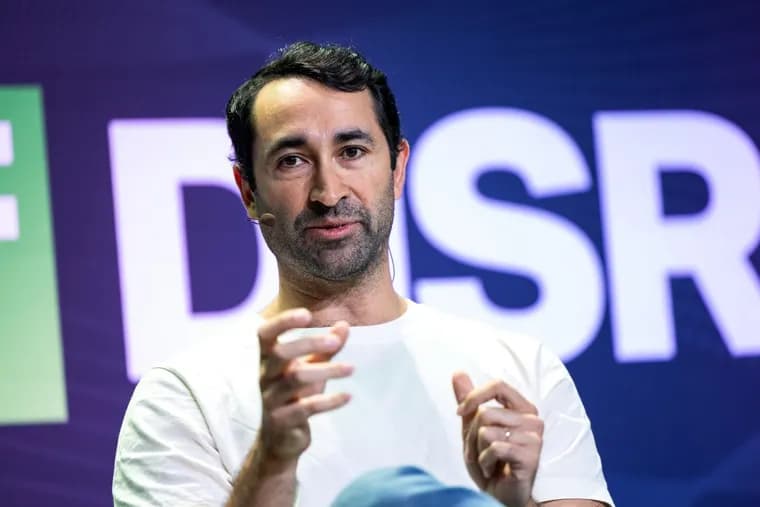
TechCrunch profiles dots, the always-on personal assistant OpenAI released at its developer day in late September. The piece rests on an interview with Alexander Embiricos, who leads OpenAI's enterprise product team, at TechCrunch Disrupt this month, plus the writer's own testing. It frames dots as OpenAI's answer to a category that Instinct (an overnight sensation) and Meta's Muse have already entered.
dots is available in the ChatGPT desktop and mobile apps to subscribers on the Pro tier or higher, with plans starting at $100 a month. Once it is connected to a user's calendar, email, computer and other tools, the agent tries to help get work done in the background, even when nobody is asking it to. Embiricos says the idea only clicked when the team framed it as a single entity in a single conversation rather than many conversations. He calls the wider trend of assistants with mascots and avatars "convergent evolution". He argues that much of the product work is framing, not new technology: how it is presented to the user and how it feels.
The lineage runs from chatbot to coding tool to assistant. Embiricos says you could achieve much of dots' functionality with Codex, OpenAI's coding app released at the beginning of this year, but that takes more work and hand-holding. He recalled celebrating when his wife started leaving her computer on all night so her agents could keep working. TechCrunch notes OpenAI had already spun ChatGPT Work out of the agentic coding tools built for software engineers. The name dots is a play on the negative space inside OpenAI's logo and is meant to feel like something that could eventually be ubiquitous. Asked when he learned that rival AI entrepreneur Elon Musk owns the dot.com URL, Embiricos said he found out very late.
A persistent agent needs no prompting. For OpenAI that means more token usage; for users, a more proactive assistant. In the writer's testing, dots' ability to think ahead is apparent and often useful, but it is not quite there yet: it flags calendar conflicts and upcoming deadlines, though not necessarily in a timely fashion. Embiricos said the first time his own dot flagged a conflict, early in development, it did so three minutes before the event. He expects the timing to improve over time. He also relayed a second-hand story of an engineer at a drone delivery startup whose dot noticed and analysed an outage before the engineer did, and came back with useful information on how to resolve it.
On data, TechCrunch sets dots against Muse, which has been criticised for building profiles of users' family and friends, data that could also add value to Meta's advertising business. Asked whether dots collects similar data, Embiricos described a feature called proactive research: on a cadence, the assistant thinks about what it knows about the user, the conversations it has had and what it has been given access to, researches how it could be more helpful, and proposes it. The start-up Hark, which is developing its own assistant, says it does not collect data to fuel an advertising business the way OpenAI and Meta do.
OpenAI says dots has the same privacy controls as ChatGPT: users can turn off model training and control what resources it accesses on their computer and how. The writer finds those controls not granular and the app pushy; for example, it refuses to accept read-only access to cloud drives. Embiricos said OpenAI needs to build out "super, super, super granular controls", while pointing to the model's intelligence and discretion as the other side of the question. He added that OpenAI got some flak at launch because the agent had very conservative defaults and asked permission a lot, a reaction he expected and thinks can be tuned over time.
The last section asks whether personal agents can scale. Businesses may not want or be equipped to deal with agents, and people dislike them too. Embiricos has a human assistant because OpenAI's corporate partners want to interact with a person, and says he never intends to have a meeting with someone else's agent. On agents working with the wider world, he said OpenAI is not always the fastest to ship new abilities and does so closely with the ecosystem, and that the company is deep in lots of conversations with payment processors. The writer calls letting an assistant spend money a potentially lucrative first for OpenAI but a big ask for consumers, and says their own bank account is off limits for now.
Key facts
- OpenAI released dots, an always-on personal assistant, at its developer day in late September; it runs in the ChatGPT desktop and mobile apps for Pro tier subscribers or higher, with plans starting at $100 a month.
- Embiricos, who leads OpenAI's enterprise product team, says much of dots' functionality could be achieved with the Codex coding app, but that takes more work and hand-holding.
- TechCrunch's testing found dots' ability to think ahead apparent and often useful but not yet timely; Embiricos's own dot once warned him three minutes before a conflict, and he expects timing to improve.
- Privacy controls match ChatGPT's (including turning off model training), but the writer finds them not granular, and the app refuses read-only access to cloud drives.
- Embiricos says OpenAI is in lots of conversations with payment processors; no partner is named.
Why it matters
OpenAI is entering the always-on assistant category that Instinct and Meta's Muse have already opened, and it is doing so by repackaging what it built for software engineers. TechCrunch traces a path from chatbot to coding tool to personal assistant, with ChatGPT Work already spun out of the coding tools. Embiricos's argument is that making AI useful is largely a matter of framing: one entity, one conversation. A persistent agent also means more token usage for OpenAI.
Who it affects
Subscribers on the Pro tier or higher, whose plans start at $100 a month, are the ones who can use dots today. It also touches people weighing how much personal data to hand a software company, and businesses that may not want to deal with other people's agents. Competitors such as Instinct, Meta with Muse, and Hark are the reference points in the piece.
How to use it
dots is available in the ChatGPT desktop and mobile apps on the Pro tier or higher, with plans starting at $100 a month. Once connected to your calendar, email, computer and other tools, the agent tries to help you get work done. Privacy controls mirror ChatGPT's: you can turn off model training and control what resources it accesses and how. Expect permission prompts; Embiricos says defaults at launch were deliberately conservative and the agent asked for permission a lot.
How solid is it
This is a single-interview feature with the writer's own testing, so most product claims are Embiricos's or OpenAI's own account. The writer's hands-on verdict is measured: useful, but not quite there yet. The drone-delivery outage story is second-hand, something Embiricos heard about an engineer, and the startup is not named. The article gives no user numbers, adoption figures or revenue figures, does not say which model powers dots, and gives no timescale for better alert timing or finer controls.
Risks and caveats
The writer says the controls are not granular and the app can be pushy, for instance refusing read-only access to cloud drives. Proactive research means the assistant works from what it knows about the user, and the article says it is difficult to separate an agent's data needs from those of its parent company; Muse has been criticised for profiling users' family and friends. Hark says it does not collect data to fuel an advertising business. Any move to let dots spend money would be a big ask for consumers, and Embiricos only says OpenAI is deep in conversations with payment processors.
“I personally never intend to have a meeting with someone else’s agent.”
— Alexander Embiricos, who leads OpenAI’s enterprise product team