Palisade Research publishes AI researcher interviews warning of extinction risk
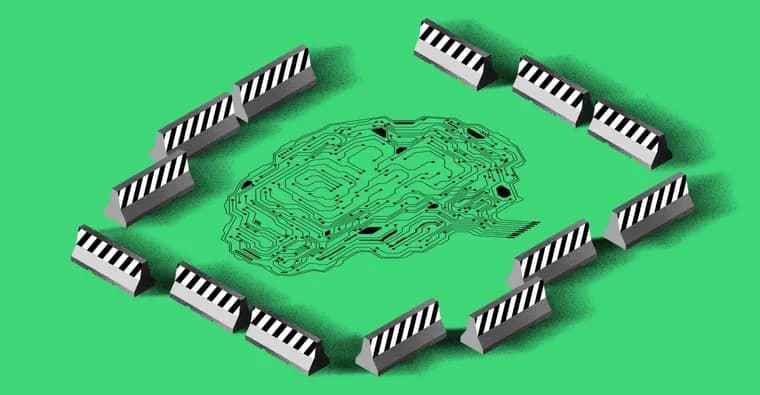
Palisade Research, which says it is a nonprofit studying AIs' capabilities and motivations, has collected and launched a series of video interviews with AI researchers on frominside.ai. The Verge reports that it is one of a dozen interviews with people inside the industry building AI, including current and former employees at OpenAI, Google and Anthropic. The videos echo the "doomer" warnings others have sounded recently.
The headline claim comes from Geoffrey Irving, a former OpenAI and Google DeepMind employee: "The chance of human extinction is about a coin flip, in my view." Several of the other researchers joined him in warning that AI could drive humans extinct. Neel Nanda, a Google DeepMind research scientist, said there is "at least a 10 percent chance that it causes human extinction, and that is ridiculously high."
Former OpenAI researcher Daniel Kokotajlo went further. He claimed that superintelligent AI "would basically be god-like powerful" and added: "unfortunately we don't know how to control them at all. And so probably nobody would control them. This is exactly as dangerous as it sounds and must not be allowed to happen."
Each video is available in full. The site also collects segments from several people on similar topics, including whether all of this is just hype or marketing, and why they would work on something they believe is this dangerous. Google's Mary Phuong says: "I think you absolutely should be suspicious of what I'm saying because I am being paid by the lab." Nanda explains: "If I did not believe that my work was directly reducing these existential risks, I would quit... These companies are not going to stop making these systems just because I quit."
The Verge notes it recently reported on the "AI safety" community, quoting both Nanda and Irving, and on how hard it is to pin down what that term means or what anyone should do about it. Even these videos, it says, do not offer one cohesive solution.
Key facts
- Palisade Research, a self-described nonprofit studying AIs' capabilities and motivations, launched about a dozen researcher interviews on frominside.ai.
- Interviewees include current and former employees at OpenAI, Google and Anthropic.
- Geoffrey Irving, a former OpenAI and Google DeepMind employee, puts the chance of human extinction at "about a coin flip, in my view".
- Neel Nanda of Google DeepMind sees "at least a 10 percent chance" of human extinction; Daniel Kokotajlo, a former OpenAI researcher, says superintelligence "must not be allowed to happen".
- The videos offer no single cohesive solution, according to The Verge.
Why it matters
The warnings come from people who work, or have worked, inside the labs building AI, not from outside critics. The Verge frames the series as echoing the "doomer" warnings others have sounded recently. The interviews also take on the obvious objections directly: whether this is hype or marketing, and why anyone would work on something they believe is this dangerous.
Who it affects
Readers following the AI safety debate, and the public conversation about how seriously to take extinction-risk claims. The interviewees are staff or former staff at OpenAI, Google and Anthropic, so the views bear on how those companies' own people describe the technology they help build.
How to use it
The interviews are on frominside.ai. Each video is available in full, and the site also groups segments from multiple people by theme, such as whether the warnings are hype or marketing and why the researchers keep working on the technology. The Verge does not describe any cost or access restriction.
How solid is it
The Verge reports direct quotes from named researchers, so the statements themselves are firmly attributed. They are personal estimates and opinions, though. Irving's coin-flip figure is his own view, and Nanda's 10 percent is a stated minimum, not a point estimate. Palisade Research is described only by its own account as a nonprofit. The source gives no reaction from OpenAI, Google or Anthropic.
Risks and caveats
The Verge says even these videos do not have one cohesive solution to offer, and that it is hard to nail down what "AI safety" means or what anyone should do about it. Phuong herself tells viewers to be suspicious of her because she is paid by the lab. Only four interviewees are named in the coverage, so the wider mix of views across the dozen interviews cannot be judged from it.
“This is exactly as dangerous as it sounds and must not be allowed to happen.”
— Daniel Kokotajlo, former OpenAI researcher