Paradromics teams with Nvidia to shrink brain implant speech decoder
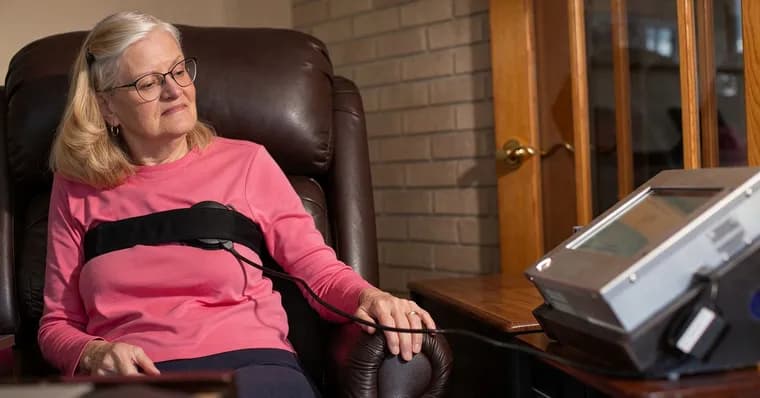
Austin-based brain-computer interface company Paradromics has announced a partnership with Nvidia to process its brain data on Nvidia hardware and software. Wired opens with a patient, a Michigan woman named Mary who has motor neuron disease and struggles to speak. She has a Paradromics chip in her brain, roughly the size of a dime. The implant is outwardly invisible and lets her express her thoughts through a synthesized voice on a computer.
Her neurons still fire when she tries to speak, even though she has lost much of the use of her speaking muscles. The implant uses more than 400 embedded electrodes to capture those signals, and a computer uses AI to infer what she is trying to say. The words appear on a screen, and the computer speaks them for her.
The catch is the computing. Decoding takes an incredible amount of processing power, so today it needs a cart full of electronics. The cart has to be plugged into an electrical outlet, and Mary must stay within range of it to use her interface. According to the article, a year from now that cart will become a small box that can sit on her wheelchair, thanks to Nvidia technology. Paradromics CEO and founder Matt Angle says the electronics will eventually be small enough to fit in a phone.
Two pieces of Nvidia technology are named. Jetson is a low-powered computing module that will let speech decoding run in a small device close to the user. Holoscan is Nvidia's AI sensor processing software. Paradromics will use it so users can interact with computers and other devices with low lag time. Brain-computer interfaces will also need to work alongside sensors such as cameras and microphones, and Holoscan is meant to process those streams together so applications can respond to both neural signals and the context around them. Through the partnership, Paradromics will also be able to integrate Nvidia's foundation models into its interface.
Angle calls brain-computer interfaces the ultimate case for edge computing, meaning processing data in devices near where it is generated rather than in a distant cloud or data center. He says: "We want to be able to do it through increasingly smaller and lower-power devices, and the people leading in that area are Nvidia." Wired notes that making these systems practical and portable is a major challenge for the field. Setups have become far more streamlined since the early days in academic labs, but they still need lots of external electronics. Shrinking them and cutting their power needs would let patients use them wherever they go.
Nvidia's David Niewolny, director of business development for health care and medical, told Wired by email that brain-computer interfaces must translate complex neural signals into meaningful actions in real time, and that even small delays can make communication feel unnatural. He added that neural signals change over time, so the AI has to adapt continuously to the individual. Low lag matters for speech so conversation can flow naturally.
Vikash Gilja, Paradromics chief scientific officer, says AI models could make synthesized voices more expressive and human-like. Wired adds that if such models run locally on Nvidia hardware, users would not need an internet connection to use their devices. Niewolny says he sees tremendous potential for AI to expand human capability. Nvidia is also working with other players in the field, including Synchron, and Niewolny says the chipmaker will not have access to brain data through these partnerships.
Wired also mentions in passing that Nvidia is facing a major leadership shakeup and federal scrutiny following longtime CEO Jensen Huang's resignation over an affair with an alleged Chinese spy. The article gives that one sentence and no further detail.
Key facts
- Paradromics announced a partnership with Nvidia to process brain data from its implant on Nvidia hardware and software.
- The implant uses more than 400 embedded electrodes; today's speech decoding needs a plugged-in cart of electronics, and the patient must stay within range of it.
- Paradromics plans to use Nvidia's Jetson low-power module and Holoscan sensor-processing software, and can integrate Nvidia's foundation models.
- The cart is expected to become a small box on the patient's wheelchair a year from now; CEO Matt Angle says it will eventually fit in a phone.
- Nvidia's David Niewolny says the chipmaker will not have access to brain data through these partnerships.
Why it matters
Brain-computer interfaces can already turn neural signals into speech, but the computing behind them is bulky. Wired describes today's setup as a cart of electronics tied to a power outlet, which keeps the patient near it. Moving that processing into a small box close to the user is aimed at the main practicality problem the article names for the field: letting patients use these devices wherever they go. Angle frames the whole category as the ultimate case for edge computing.
Who it affects
First, people like Mary, who have lost much of the use of their speaking muscles and rely on an implant to speak through a synthesized voice. Second, Paradromics, which gets Nvidia's low-power hardware and software. Third, Nvidia, which says it is also working with other brain-computer interface players, including Synchron.
How to use it
This is not a product anyone can buy or adopt yet. For the technical picture: Jetson runs speech decoding in a small device near the user, Holoscan combines neural signals with data from cameras and microphones so applications can respond with low lag, and Nvidia's foundation models can be integrated into the interface. The article gives no pricing, availability or access terms.
How solid is it
The source is a Wired report built on an announcement and statements from Paradromics and Nvidia, so the plans and timelines come from the companies. The one-year timeline for the wheelchair box is stated as fact in the article, while the phone-sized version is Angle's "eventually" with no timescale given. No financial terms, investment amount or exclusivity of the partnership are given. No performance figures (speech decoding speed, accuracy, latency in milliseconds, power draw) are given either.
Risks and caveats
The benefits described are plans, not demonstrated results: the shrunken box, local models and offline use are all still ahead. The article says offline use would follow if the models run locally on Nvidia hardware, which is a conditional. Nvidia says it will not have access to brain data through these partnerships. Separately, Wired reports that Nvidia faces a leadership shakeup and federal scrutiny after Jensen Huang's resignation, with no further detail, so the article gives no view on how that might touch this partnership.
“We want to be able to do it through increasingly smaller and lower-power devices, and the people leading in that area are Nvidia”
— Matt Angle, Paradromics CEO and founder