People now use Claude Code and Codex to hack TVs, cameras and gadgets
This is an opinion-led newsletter column, The Stepback from The Verge, written by David Pierce. Its argument: hackers have always modded, jailbroken and tweaked gadgets, so the capability is not new, but large language models have made it easy. People around the world are now prompting Claude Code or Codex to hack their hardware, which the author says has produced a boom in developer-friendly gadgets and a market for better software on nearly every device.
The anchor story is Gathin T, a developer in India. He was fiddling with a Xiaomi TV running Android TV, overloaded with ads and interface clutter, and wondered whether he could install another launcher on it as he could on an Android phone. He prompted Claude Code and found that, after a couple of permissions tweaks and a toggle of USB debugging mode, the chatbot could control the TV as long as both were on the same Wi-Fi network. An hour and a half later the TV had no onscreen ads, a simpler interface and easier access to his PlayStation on another input. He posted about it on X, it went viral, and he bought a domain and launched CleanYourTV to help others fix their own TV interfaces. According to the article it became one of the most popular repositories on GitHub and got thousands of pull requests and feature ideas. Gathin notes that the only TVs that work this easily are Android-based; he has done other operating systems too, but those need explicit jailbreaking and rooting, so he is more reluctant to share the process widely.
The author notes that Android runs far more than TVs, including dishwashers, digital photo frames and luxury cars, and that even when it does not, there is often another way in: an LLM can find a hidden API, or unpack, explore and repackage a firmware file. In his telling, Claude Code had its "oh my gosh it works" moment in late 2025, developers leaned on it more and non-developers began building software, and during 2026 more people pointed the capability at hardware.
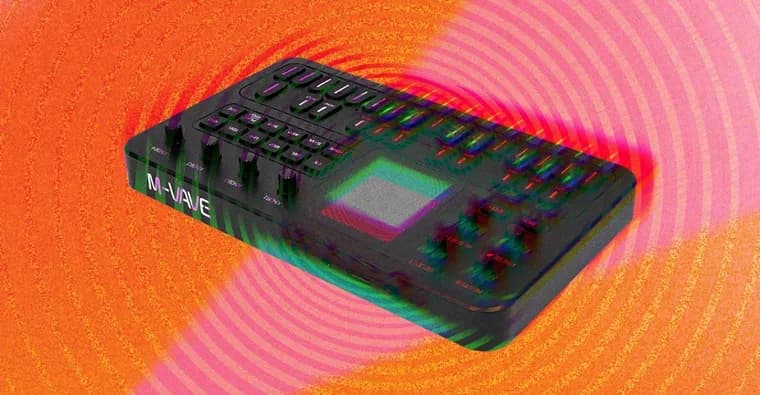
The piece then surveys where this is happening. Camera enthusiasts use LLMs to repackage camera software, adding recording modes, higher resolutions and new looks and colour profiles, on old gear and brand-new hardware alike. In music, people turn cheap synths into more capable gear, and the cheap M-Vave FM-1 is a popular target for custom firmware; M-Vave has released open-source firmware, embracing the hackers, and the author says the FM-1 raises questions about how higher-end makers can compete. Gamers use LLMs to decompile and mod games and add features to consoles: one vibe coder found a way to play PlayStation 2 discs on a PlayStation 5, and many have scripts for using favourite controllers on other devices.
The games industry is fighting back. Luke Dicken, a longtime gaming executive who was recently Take-Two's head of artificial intelligence, predicted to Kotaku that the industry will embrace "more invasive DRM, platform-level solutions, and probably more of a push towards streaming solutions since nobody can decompile what they can’t get their hands on." The author adds that hardware makers will push harder to lock down their systems and companies across the board will pursue legal action to protect their intellectual property.
There are risks for users. Installing a vibe-coded camera firmware puts you outside what the manufacturer can help with, and you might be stuck asking Claude to fix problems Claude created. Ritchie Roesch wrote at Fuji X Weekly that it is a matter of when and how many cameras become permanent paperweights, and whether yours will be one. The author says vibe-hacking an existing gadget practically always voids the warranty, and customer support cannot be counted on.
The safer route, the author argues, is new hardware built for tinkering. ESP32 modules package networking chips, microphones, speakers and more, and are suddenly everywhere in hardware communities (the author compares them to Raspberry Pis, but cheaper and more versatile). He points to the M5Stack PaperMono, an ESP32-based e-paper device. With a few dollars and a few prompts, he writes, you can build hyper-specific devices: a real-time sea conditions display, a monitor for a DJ system, a handheld for playing Metal Gear Solid, a family shopping-list device.
Looking ahead, the author predicts the arms race between manufacturers and vibe hackers will continue, with some makers keeping hackers out and others embracing them. He expects ESP32 devices to become more consumer-friendly, and says Meta is already leading with its Muse Charm and the Muse Gadgets program, where you can buy a packaged ESP32 module or use your own to spin up a dedicated AI device. Some vibe hackers are turning into software vendors. Gathin has tweaked the prompts he shares so they first back up the TV's software and log every change, and CleanYourTV checks its progress and spins up agents to test if something goes wrong. The author says it is not foolproof and might never be, because every software update brings new problems. Gathin's advice: never give the bots access to something you can't afford to lose, and he tests on an external Linux computer used as a sandbox. The author adds: make lots of backups.
The side notes add that Waveshare is a commonly recommended place to buy ESP32 devices, that Espressif, which created the ESP chip, recently launched a development system called ESP-Claw to simplify programming ESP devices, and that Raspberry Pis are also good for vibe-hacking.
Key facts
- The Verge's The Stepback argues that LLM coding tools such as Claude Code and Codex have made hacking and modding consumer hardware easy, not newly possible.
- Developer Gathin T redesigned his Xiaomi Android TV with Claude Code in an hour and a half, then released CleanYourTV, which the article says drew thousands of pull requests and feature ideas.
- Manufacturers are pushing back: Luke Dicken, recently Take-Two's head of AI, told Kotaku to expect more invasive DRM, platform-level solutions and more streaming, and the author expects tighter lockdowns and legal action.
- Users risk voided warranties and bricked devices; the author notes Fuji X Weekly's warning about cameras becoming permanent paperweights.
- The author expects a shift towards ESP32-based hackable gadgets, citing Meta's Muse Charm and Muse Gadgets program and Espressif's ESP-Claw.
Why it matters
The column's point is that the barrier to modifying gadgets has dropped. Hackers have always done this, but prompting Claude Code or Codex now does much of the work. The author dates the shift to late 2025, when Claude Code had its breakthrough moment, and says that through 2026 more people aimed it at hardware. If he is right, consumer devices stop being fixed products and become starting points, which puts manufacturers and owners in a tug of war over who controls the software.
Who it affects
Owners of TVs, cameras, synths and consoles who want features their makers did not ship. Gadget manufacturers, who in the author's account will either lock systems down harder or find ways to embrace hackers, as M-Vave did with open-source firmware for the FM-1. Game publishers worried about decompiling. Hardware makers at the high end, who face cheap hackable rivals. Hobbyists drawn to ESP32 modules, and vibe hackers like Gathin who end up acting as software vendors.
How to use it
This is a trend essay, not a product launch, but it offers practical pointers. The Android TV route behind CleanYourTV works easily on Android-based sets: a couple of permissions tweaks and USB debugging mode, with the chatbot on the same Wi-Fi network. Gathin's shared prompts back up the TV software first and record every change. For those who would rather not modify an existing device, the author suggests ESP32 hardware such as the M5Stack PaperMono, buying from places like Waveshare, and Espressif's ESP-Claw development system. Raspberry Pis are also named as good vibe-hacking devices. Gathin's own rule: never give the bots access to something you can't afford to lose, and test in a sandbox such as a separate Linux computer.
How solid is it
This is a newsletter column with opinion and forecasts, not a report or study. The core evidence is a single developer's account, told to the author, plus pointers to examples across cameras, music gear and consoles. The author gives no exact figures for CleanYourTV, only "thousands of pull requests and feature ideas", and the Xiaomi TV model is not named. No data is given on how many devices have actually been bricked; the paperweight line is a quoted warning, not a statistic. The Dicken comment is relayed from Kotaku. Predictions about DRM, lockdowns, legal action and ESP32 gadgets "everywhere" are the author's forecasts.
Risks and caveats
Vibe-hacking an existing gadget practically always voids the warranty, and customer support cannot be counted on. Installing vibe-coded firmware leaves you outside what the maker can help with, and you may be stuck asking Claude to fix what Claude broke. CleanYourTV's backups and agent-based testing are meant to make it safer, but the author says it is not foolproof and might never be, since each software update brings new problems. Gathin says the easy method only works on Android-based TVs. The author also expects manufacturers to respond with lockdowns and legal action.
“It’s not so much if someone’s camera will become a permanent paperweight, it’s a matter of when and how many, and whether it will be yours.”
— Ritchie Roesch, Fuji X Weekly, quoted in The Verge's The Stepback