Russia weighs underground data centers after Ukrainian drone strikes
Russian tech companies are scrambling to harden and hide their data centers underground, Ars Technica reports, after Ukrainian drone strikes damaged facilities housing AI supercomputers and disrupted cloud services for millions of Russian users. At the same time, the Kremlin is requiring data center owners to reserve computing capacity for emergency state needs, and has even authorized possible use of foreign data centers.
The article places this inside the wider war. The Russian military has bombarded Ukrainian cities with drones and missiles nearly night and day in recent months, and has specifically targeted Ukrainian data centers since late September. Ukraine has retaliated with its own drone strikes on military and infrastructure targets across Russia. Those strikes have degraded or knocked out data centers operated by the Russian tech giant Yandex, the state-owned bank Sberbank, the social media site VKontakte and the Russian Ministry of Finance.
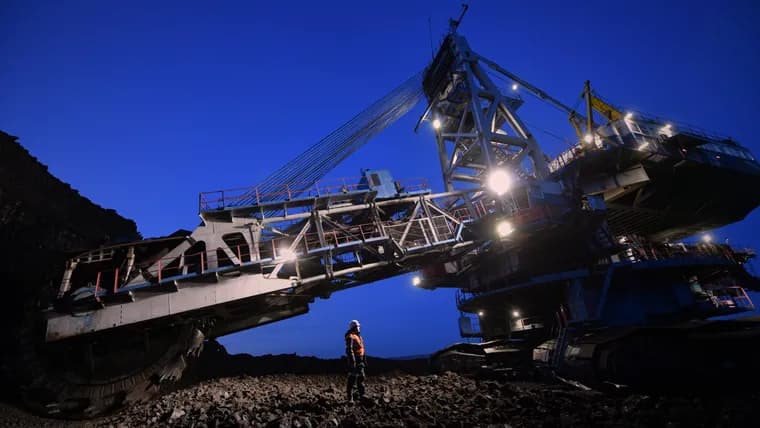
On the response side, state-owned telecommunications company Rostelcom has raised the possibility of moving some Russian data centers underground, in talks with the nickel and palladium mining company Norilsk, according to the Russian newspaper Vedomosti. The industry publication Data Center Dynamics also pointed to a recent proposal by a Russian regional governor to build data centers inside open-pit coal mines, with green public parks planted above as camouflage.
On November 2, Putin signed a decree ordering Russian data center operators to set aside 10 percent of available space and capacity in case the Russian government requires it, according to the independent Russian news publication Meduza. Ars Technica says this may indicate growing Kremlin concerns about the vulnerability of Russian cloud computing infrastructure during the war.
Key facts
- Ukrainian drone strikes have damaged facilities housing AI supercomputers and disrupted cloud services for millions of Russian users, per Ars Technica.
- Strikes have degraded or knocked out data centers run by Yandex, Sberbank, VKontakte and the Russian Ministry of Finance.
- Rostelcom has raised the idea of moving some data centers underground in talks with Norilsk, according to Vedomosti; a regional governor separately proposed data centers in open-pit coal mines, per Data Center Dynamics.
- A decree signed by Putin on November 2 orders operators to set aside 10 percent of available space and capacity for the government, according to Meduza.
- Russia has specifically targeted Ukrainian data centers since late September.
Why it matters
Data centers are now targets on both sides of the war. Ars Technica describes strikes that hit facilities housing AI supercomputers and cut cloud services for millions of Russian users, and says Russian operators are responding by trying to harden and hide their sites. The Russian military, for its part, has specifically targeted Ukrainian data centers since late September. Cloud and AI infrastructure is being treated as a military objective, and the response includes burying it.
Who it affects
Directly, the operators named as hit: Yandex, Sberbank, VKontakte and the Russian Ministry of Finance. Millions of Russian users of cloud services saw disruption. Data center owners in Russia also face the decree, which asks them to hold back 10 percent of available space and capacity for the government. Rostelcom and Norilsk are the companies named in the underground talks.
How to use it
This is a report to read for context, not a tool or product. For anyone tracking infrastructure resilience, the concrete items are the proposals now on the table: underground sites (raised by Rostelcom in talks with Norilsk), data centers in open-pit coal mines under planted parks, and a government capacity reserve of 10 percent.
How solid is it
The article is an Ars Technica summary of other outlets' reporting. The Rostelcom and Norilsk talks come from Vedomosti, the decree from Meduza, and the coal mine proposal from Data Center Dynamics. The text contains no direct quotations. The claim that strikes damaged the named data centers and disrupted cloud services is stated in the article's own voice. The reading that the decree reflects growing Kremlin concern is Ars Technica's own hedged interpretation ("may indicate").
Risks and caveats
Rostelcom only raised the possibility of going underground; no decision is reported. No timescale, cost or scale is given for moving data centers underground. The governor who proposed the coal mine sites is not named. The text does not say which foreign data centers may be used or under what conditions, and does not say whether the 10 percent reserve applies to all operators or what penalty or deadline it carries. No dates or locations are given for the individual strikes. The year of the decree is not stated in the text, only November 2.