Sakana AI aims its Sawara model at Japanese industry and security
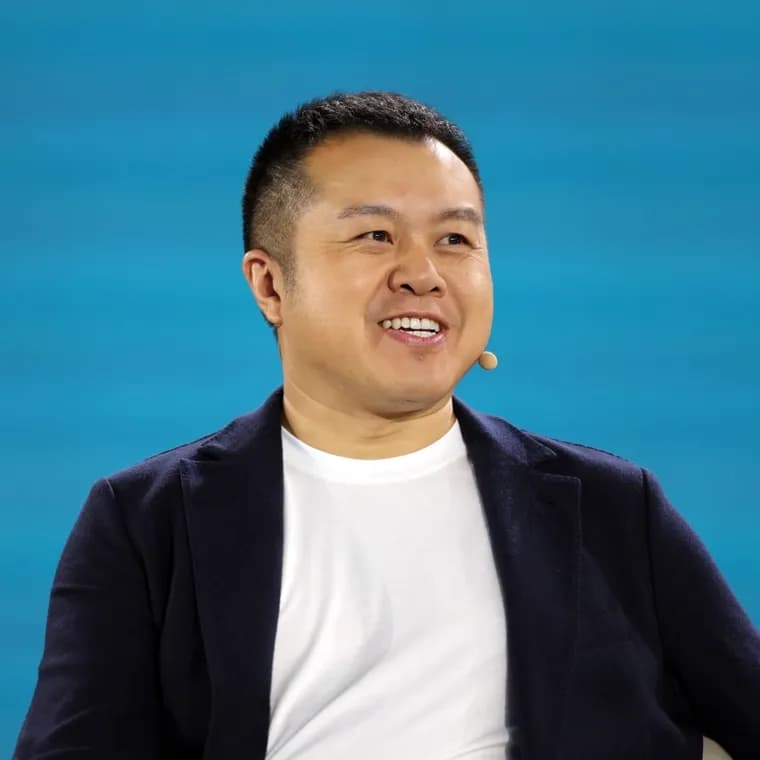
Sakana AI, a Tokyo-based startup, revealed plans last month to develop its own foundation model. The move drew attention for its possible impact on Japan's defense and cybersecurity sectors, and for concerns about reliance on U.S. and Chinese technology. Co-founder and CEO David Ha has now told TechCrunch that the model, Sawara, is part of a broader aim: using AI to support and strengthen Japan's industrial and manufacturing sectors. Physical AI, manufacturing and industry were in mind from the start and remain the long-term vision, he said, but in the short term Japan also has a real need for security-related capabilities. He pointed to rising cybersecurity threats and the need for domestic alternatives for sensitive uses, particularly if access to foreign models becomes limited.
Sakana will begin work on Sawara this month. It aims to train and release a smaller model in early 2027, followed by a larger one. Ha said both will be trained next year, with the technology to be applied in industry and manufacturing, and that the small model should be particularly useful for on-premises deployments, which Japan needs.
The project comes roughly five months after Sakana launched Fugu, an orchestration system that draws on other large language models, including ones from U.S. labs such as OpenAI, to assemble AI agents for the task at hand. The company has also built Namazu, which fine-tunes open-weight models from Meta and DeepSeek to better handle Japanese language, culture and business needs. Ha argued that Japanese enterprises cannot use open-weight models as they come, because the models are usually biased toward their creators and may refuse to answer questions about Japan or its politics. Pre-training through Sawara, he said, is the only thing left before Sakana is a full-stack company. He also acknowledged that a domestic foundation model alone will not fully end Japan's reliance on foreign AI.
Government work has shaped the plan. Sakana signed a research contract with Japan's Ministry of Defense in July to explore how AI could help analyze and integrate information from multiple sources, and has worked with the Ministry of Internal Affairs and Communications on disinformation detection. Government agencies often have stricter requirements than commercial customers, including auditing training data, customizing models and running them on-premises. Ha said those lessons helped the company plan how to develop and deploy Sawara, and that he thinks many governments have similar requirements.
On a stock listing, reports by Nikkei and Bloomberg earlier this month set off speculation. Ha said Sakana has no near-term plans to go public, called the reported timing and valuation speculative, and said he expects an eventual listing in Japan. He ties future growth to the global expansion of Japanese manufacturers: rather than focusing on selling models, Sakana wants to help local companies become more competitive worldwide.
Key facts
- Sakana AI will begin work on its Sawara foundation model this month, targeting a smaller version for early 2027 and a larger one afterward.
- CEO David Ha says the long-term focus is physical AI, manufacturing and industry, while security is a near-term need in Japan.
- Sawara follows Fugu, an orchestration system launched roughly five months earlier, and Namazu, a Japanese-focused model fine-tuned from Meta and DeepSeek open-weight models.
- Sakana signed a research contract with Japan's Ministry of Defense in July and has worked with the communications ministry on disinformation detection.
- Ha says there are no near-term IPO plans, though he expects Sakana to list in Japan eventually.
Why it matters
Sakana has so far offered an orchestration system, Fugu, and a Japanese-tuned model, Namazu, both drawing on other developers' models. Sawara adds pre-training of its own, which Ha describes as the one piece left before the company is full-stack. The plan also speaks to a wider concern in Japan about dependence on U.S. and Chinese technology. Ha frames it as an addition to foreign systems: Japan will keep using U.S. ones but also wants domestic alternatives, and for national defense will want its own.
Who it affects
Japanese manufacturers and industrial firms are the long-term target, and Sakana wants to go abroad alongside them. Government agencies are another audience: the company's government work currently centers on disinformation detection and analysis, and on multimodal systems that combine data from different government sources. Organizations that must run customized models on their own premises, as Japan requires in cybersecurity, are a natural fit for the small model. Ha thinks many governments share such requirements.
How to use it
Sawara is not available yet. The smaller model is targeted for early 2027, with a larger version to follow, and Ha says the small one should suit on-premises deployments. In the meantime, enterprise customers can use a combination of Fugu, Namazu and AI models developed overseas.
How solid is it
This is a plan, described mainly by the company's own CEO in comments to TechCrunch. Work is only starting this month, and the early 2027 date is a target. No parameter count, size or architecture is given for either version of Sawara, and no benchmarks or performance results are given for Sawara, Fugu or Namazu. No licence or open-weight status for Sawara is stated. The Ministry of Defense contract and the communications ministry work show an existing government relationship.
Risks and caveats
Ha himself concedes that a domestic foundation model will not fully remove reliance on foreign AI. Limits on access to foreign models are raised as a possibility that would make local alternatives more important. The bias he describes in open-weight models is his argument for Japanese adaptation, and it comes from a company that sells such work. IPO talk should be read with care: Ha calls the reported timing and valuation speculative and says he does not know when a listing might happen.
“Japan will continue to use U.S. systems, but it also wants domestic alternatives”
— David Ha, co-founder and CEO of Sakana AI, to TechCrunch