Screwworm parasite infections in Mexico top 500 as human case rate triples
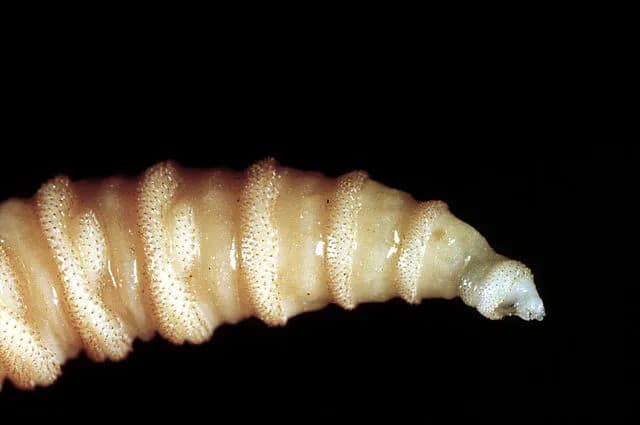
The flesh-eating New World screwworm (NWS) fly, once eradicated from Mexico, reinvaded the country in 2024, and human infections have been climbing since. A July surveillance report from Mexico's Ministry of Health puts the total at over 500 human cases across 2025 and 2026. A separate study published this week in the journal Emerging Infectious Diseases analyzed 200-plus confirmed human cases reported between April 2025 and March 2026 and found the infestation pace increasing: reporting climbed from about three cases a week in 2025 to just over nine a week in 2026. Among those 200 confirmed cases, the study recorded six deaths, at least one of them directly caused by the fly's maggots, according to researchers in Mexico. The source article does not state whether the 200 cases in the study are a subset of the more than 500 total, and it gives no combined death count across the full case load.
NWS flies lay hundreds of eggs in wounds, inflamed tissue, mucous membranes and orifices of warm-blooded animals; the eggs hatch into maggots within a day that feed on living flesh, generating wounds that can be severe in humans and are often devastating in livestock. Untreated, the wounds can rapidly enlarge and destroy muscle, cartilage and bone, even the skull, and carry the risk of secondary infection, sepsis and death.
The fly was once endemic in Mexico and the United States. A decades-long eradication campaign, built on mass aerial releases of sterilized male flies (a technique that works because female NWS flies mate only once in their lifespan), wiped out its populations across the US, Mexico and Central America. Mexico declared eradication in 2003 and Panama in 2006, with Panama maintaining an active biological barrier at its border with Colombia along the Darien Gap. That barrier was breached in 2022, and Mexico began recording NWS cases in animals again in 2024. Since the breach, Mexico has logged more than 36,000 animal NWS cases, with nearly 2,000 still active as of August 5, according to the US Department of Agriculture; human infections, known as myiasis, remain a small fraction of the overall animal-plus-human case count.
Key facts
- Mexico's Ministry of Health reported over 500 human New World screwworm cases across 2025 and 2026 in a July surveillance report.
- A study in Emerging Infectious Diseases analyzed 200-plus confirmed human cases from April 2025 to March 2026 and found the weekly reporting rate rose from about three to just over nine.
- Six deaths were recorded among the 200 confirmed study cases, with at least one directly caused by the fly's maggots.
- Since a 2022 breach of Panama's Darien Gap biological barrier, Mexico has recorded more than 36,000 animal NWS cases, nearly 2,000 of them still active as of August 5, per the USDA.
- Mexico had declared the parasite eradicated in 2003 using sterile-male aerial release, a technique that works because female flies mate only once in their lifetime.
Why it matters
The New World screwworm was eliminated from Mexico and the US decades ago through one of public health's notable eradication campaigns. Its return in 2024, and the new study's finding that human case reporting roughly tripled year over year, mark a reversal of that success and the first quantified look at the human toll since the reinvasion.
Who it affects
Directly, people in the affected regions of Mexico who can contract the parasite through open wounds, plus livestock, which the article notes bear the worst of the infestation. Indirectly, US agricultural and health authorities: the US Department of Agriculture is tracking the animal case count, and the fly's history of crossing into the US border region makes the outbreak a binational concern.
How to use it
The practical takeaway from the source is medical, not commercial: NWS wounds can enlarge rapidly and destroy muscle, cartilage and bone if not treated quickly, and carry risks of secondary infection, sepsis and death, so prompt treatment of the underlying wound matters. The article does not describe a vaccine, drug or consumer product tied to the outbreak.
How solid is it
The reporting rests on two named sources: a peer-reviewed study in the journal Emerging Infectious Diseases covering 200-plus confirmed cases with named methodology and date range, and a July surveillance report from Mexico's Ministry of Health. Historical eradication dates (Mexico 2003, Panama 2006) and the current animal case counts are attributed to USDA figures.
Risks and caveats
The source does not name the study's authors or give it a specific publication date beyond "this week," and does not state whether the 200 cases in the study are a subset of the over-500 total, so the two figures cannot be reconciled into one death rate. No US human or animal cases in the current outbreak are reported, only the historical eradication effort, and no target date is given for renewed eradication.