SpaceX commits to roughly $40B GPU lease financing with Apollo
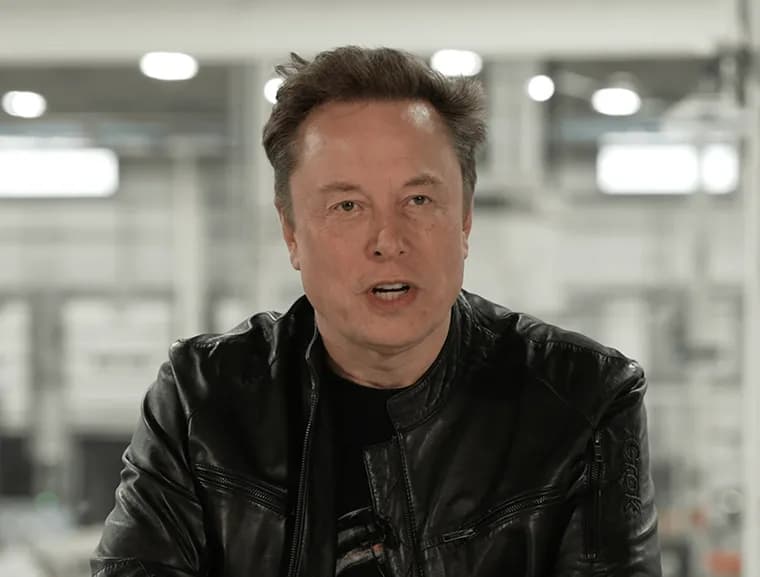
SpaceX has reached a binding commitment for roughly $40 billion in financing for AI chips and related data center equipment, the company disclosed in a regulatory filing on Monday. In a statement, SpaceX called it the "largest committed GPU financing".
The structure is a lease. An entity managed by Apollo Global Management, the New York-based private equity firm, will buy the chips and related server hardware, then lease the equipment to SpaceX. According to the filing, the leases will run about five to five-and-a-quarter years, starting when each tranche of equipment is delivered. SpaceX expects the deal to close by year-end, subject to closing conditions, with leases beginning in the first half of 2027 as the GPUs and related equipment arrive. Apollo said the financing will help deliver Nvidia's next-generation Vera Rubin chips for SpaceX's "terrestrial compute buildout."
TechCrunch frames the deal as another way for SpaceX to fund its fast-growing AI ambitions without relying solely on traditional debt markets. SpaceX CFO Bret Johnsen said in a statement Monday: "This lease diversifies our funding sources and addresses a notable portion of the funding required to deliver on our growth plans." He added that the company is seeing "less than one-year payback periods" on its AI infrastructure investments as it scales compute to power Grok and its cloud services.
The numbers behind the push are large. SpaceX's AI segment, which includes the Grok chatbot, the Cursor coding tool and its cloud compute business, outperformed investor expectations in the third quarter. It brought in $7.6 billion of SpaceX's $14.6 billion in revenue, more than Starlink and rocket launches combined. Capital expenditures rose to nearly $20 billion, up from $6.9 billion a year earlier. On the October 20 earnings call, Johnsen said SpaceX expects to spend $35 billion to $40 billion in the fourth quarter alone.
The deal lands after a rough stretch in the debt markets for AI infrastructure companies, as investors grow nervous about runaway capital spending and limited profits. SpaceX had no trouble tapping Wall Street, and Musk used the announcement to take a victory lap over pure-play AI compute rivals. Pointing to SpaceX's "investment-grade" status and steady cash flow from Starlink and launches, Musk argued on Sunday that debt markets have largely closed the door on companies without major revenue streams outside AI data centers. That spells trouble, he said, for the more than 200 neocloud companies built solely to rent out GPUs for AI workloads. "That means the 200+ neoclouds are going to see guppy-level death and consolidation," Musk wrote on X. "Some will make it through, but not many."
Key facts
- SpaceX disclosed a binding commitment for roughly $40 billion in financing for AI chips and data center equipment; an Apollo Global Management-managed entity buys the hardware and leases it to SpaceX.
- Leases run about five to five-and-a-quarter years from delivery of each tranche; SpaceX expects closing by year-end, subject to conditions, with leases starting in the first half of 2027.
- Apollo said the money will help deliver Nvidia's Vera Rubin chips for SpaceX's "terrestrial compute buildout."
- SpaceX's AI segment brought in $7.6 billion of $14.6 billion in third-quarter revenue; capex reached nearly $20 billion, with $35 billion to $40 billion expected in the fourth quarter alone.
- Musk predicted "guppy-level death and consolidation" among the 200+ neocloud companies, arguing debt markets have closed the door on firms without revenue outside AI data centers.
Why it matters
SpaceX calls this the largest committed GPU financing, and it arrives while debt markets for AI infrastructure have been shaky because investors worry about runaway capital spending and limited profits. A lease from an Apollo-managed entity gives SpaceX a funding route beyond traditional debt markets for a buildout that is growing fast: capital expenditures were nearly $20 billion in the third quarter, up from $6.9 billion a year earlier, and $35 billion to $40 billion is expected in the fourth quarter alone. The AI segment already brought in more revenue than Starlink and launches combined.
Who it affects
SpaceX and its AI businesses (Grok, Cursor, cloud compute) get funding for compute. Apollo is on the other side as the manager of the buying entity. Nvidia's Vera Rubin chips are the hardware Apollo says the financing will help deliver. Musk's comments point at neocloud companies, the more than 200 firms built only to rent out GPUs for AI workloads, which he says will struggle to borrow.
How to use it
This is a financing story, not a product, so there is nothing to adopt. What to watch is the timeline in the filing: closing expected by year-end subject to closing conditions, and leases starting in the first half of 2027 as each tranche of equipment arrives. Anyone tracking AI capital spending can use the figures here as a reference point: roughly $40 billion committed, five to five-and-a-quarter year lease terms, and the CFO's claim of payback periods under a year.
How solid is it
The core facts rest on a SpaceX regulatory filing and a company statement, as reported by TechCrunch. The deal is described as a binding commitment but has not closed; SpaceX expects that by year-end, subject to closing conditions. The payback claim of less than one-year comes from the CFO and is not independently verified in the article. The "200+ neoclouds" prediction is Musk's opinion posted on X, not a finding. The source does not say how many Vera Rubin chips are being bought, and it gives no interest rate or lease payment figures.
Risks and caveats
The figure is approximate ("roughly $40 billion"), and the deal is still subject to closing conditions. The article gives no interest rate, lease payments or Apollo's own contribution, and no total for SpaceX's debt or the cost of its traditional borrowing. Musk's forecast of neocloud failures is a prediction from an interested party, and the article names no specific neocloud company or says which would fail. The source also describes a tumultuous stretch in AI debt markets, so conditions that favour SpaceX may not apply to others.
“This lease diversifies our funding sources and addresses a notable portion of the funding required to deliver on our growth plans”
— Bret Johnsen, SpaceX CFO