UBS makes AI skills a hiring bar for junior bankers
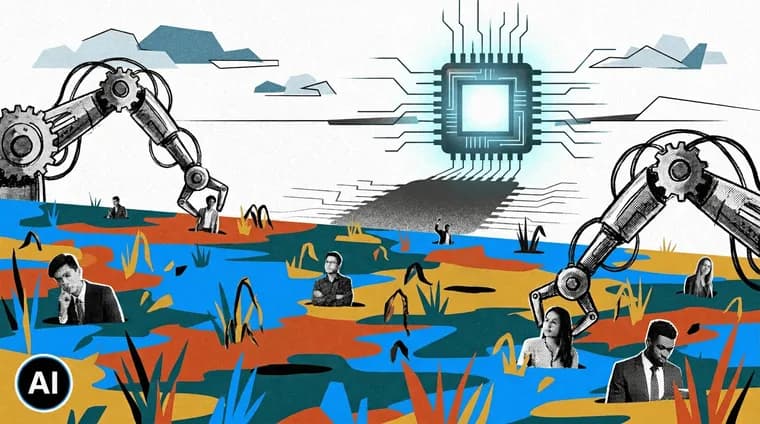
Swiss banking giant UBS has added AI skills to the hiring bar for its incoming junior bankers, the Financial Times reports, citing people familiar with the matter. Anyone applying to start in 2027 as a graduate or intern in Global Banking and Markets now has to demonstrate how they use AI to improve outcomes and efficiency, and interviews will include direct questions about candidates' AI use. The requirement sits alongside classic criteria such as a strong degree, and it will also apply to other newly posted roles at the bank. That reportedly makes UBS one of the first major banks to impose this kind of demand formally. UBS said AI skills complement academic and social abilities rather than replace them, and the bank is separately testing analyst avatars for client presentations.
UBS is not alone. Spain's Santander is also seeking advanced AI users for some of its trainee programs, according to its own documents, though no effective date is given for when that requirement takes hold. The push comes as banks increasingly automate routine junior work such as financial analysis, research and client presentations. Morgan Stanley analysts expect more than 200,000 banking jobs in Europe to disappear within five years as a result. Not every bank is framing the shift the same way: JPMorgan's Europe head, Conor Hillery, warned in December that junior staff cannot afford to lose the fundamentals even as AI tools take on more of the routine work.
Key facts
- UBS will require 2027-intake graduates and interns in Global Banking and Markets to demonstrate AI skills, with interview questions on how they use AI
- The requirement also extends to other newly posted UBS roles and sits alongside a strong degree as a hiring criterion
- This reportedly makes UBS one of the first major banks to impose such a demand; UBS is also testing analyst avatars for client presentations
- Santander is separately seeking advanced AI users for some trainee programs
- Morgan Stanley analysts project more than 200,000 European banking jobs will disappear within five years as banks automate routine junior work
Why it matters
This is one of the first documented cases of a major bank turning AI fluency into a formal hiring gate rather than a nice-to-have. UBS is not asking candidates to know about AI in the abstract; it wants evidence they can use it to improve outcomes and efficiency, and it is prepared to probe that directly in interviews. Combined with Morgan Stanley's forecast that Europe could lose over 200,000 banking jobs within five years to automation, the move signals that banks see AI competence as a structural shift in what junior finance work requires, not a passing trend.
Who it affects
Graduates and interns applying to start at UBS in 2027 within Global Banking and Markets, and applicants to other newly posted UBS roles, are directly affected. Santander's trainee-program applicants face a similar bar. More broadly, anyone entering junior banking roles across Europe is affected by the automation trend Morgan Stanley describes, since routine financial analysis, research and client-presentation work is the segment banks are automating first.
How to use it
Candidates targeting UBS's 2027 graduate or intern intake in Global Banking and Markets should prepare concrete examples of using AI tools to improve work outcomes or efficiency, since interviewers will ask about this directly rather than treat it as implicit. The source does not specify how AI skills are scored, so candidates cannot rely on a published rubric; demonstrating hands-on use appears to matter more than describing familiarity in general terms.
How solid is it
The claim rests on a Financial Times report citing people familiar with the matter, relayed here without direct UBS statements beyond the one line UBS gave on AI skills complementing rather than replacing academic and social abilities. Santander's requirement is sourced to its own documents. The Morgan Stanley jobs figure and JPMorgan's Conor Hillery comment are both attributed to named sources, but the underlying reports and the date of Hillery's remarks beyond "December" are not detailed here.
Risks and caveats
The report does not describe how UBS will assess or score AI skills in interviews, so the practical bar for candidates is unclear. No effective date is given for Santander's advanced-AI-user requirement in its trainee programs, and no year is specified for Hillery's December warning. The 200,000-job forecast is a five-year projection from Morgan Stanley analysts, not a confirmed outcome, and JPMorgan's public framing, that juniors still need the fundamentals, suggests banks do not uniformly agree on how far AI should substitute for entry-level work.