UN talks on 'killer robots' end with only a deal to discuss options
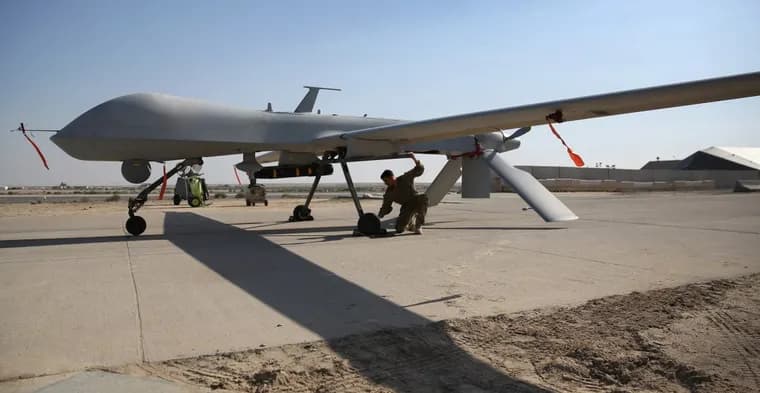
Rules for autonomous weapons, the so-called 'killer robots', were one of the items on the agenda for UN diplomats meeting in Geneva this week. The week was largely fruitless. Representatives left agreeing only to 'start discussing options'.
The Verge relays NPR's reporting. Before the negotiations began, the International Committee of the Red Cross, described as the guardian of the Geneva Conventions, said it was urgent for legally binding rules to be drafted within a year. The UN secretary-general and Pope Leo backed that call.
The compromise was weaker. Countries will instead have two years to propose regulations. Talks between countries on which regulations to adopt and how to enforce them will likely drag on well beyond that period. Room was also left for some of the yet-to-be-adopted regulations to remain 'optional'.
Humanitarian organizations and some countries see a need to adopt legally binding rules urgently, because semi-autonomous weapons and drones have been responsible for a significant number of civilian deaths in conflicts around the globe, including in Ukraine, Gaza and Sudan.
According to NPR, Russia, Israel and the US proved to be the primary obstructions. On day one, Russia delayed proceedings by objecting to the meeting's agenda. The United States then proposed a five-year window to discuss nonbinding, optional guidelines for autonomous weapons.
Key facts
- UN diplomats in Geneva ended a largely fruitless week on autonomous weapons by agreeing only to 'start discussing options'.
- Before the talks, the ICRC said binding rules should be drafted within a year, a call backed by the UN secretary-general and Pope Leo.
- The compromise gives countries two years to propose regulations, and some future rules may stay 'optional'.
- NPR named Russia, Israel and the US as the primary obstructions: Russia objected to the agenda on day one, and the US proposed a five-year window to discuss nonbinding, optional guidelines.
Why it matters
The ICRC, the UN secretary-general and Pope Leo asked for legally binding rules within a year. The outcome is a two-year window to propose regulations, with room for some to stay optional. The source ties the urgency to civilian deaths: semi-autonomous weapons and drones have been responsible for a significant number of them in conflicts including Ukraine, Gaza and Sudan.
Who it affects
Humanitarian organizations and the countries pushing for binding rules, who did not get the one-year timeline. Civilians in conflict zones, whose deaths from semi-autonomous weapons and drones drive the call for urgency. The governments named as obstructions, Russia, Israel and the US, which shaped the outcome.
How to use it
This is a diplomatic process, not a product. The things to watch are the two-year window for countries to propose regulations, whether any resulting rules are binding or 'optional', and whether the US idea of a five-year window for nonbinding guidelines gains ground.
How solid is it
The Verge's post is a short summary of NPR's reporting, and the claims about who obstructed come from NPR. The facts that countries agreed to 'start discussing options' and to a two-year period to propose regulations are stated directly. No direct quotes from named diplomats are given.
Risks and caveats
Negotiations on which regulations to adopt and how to enforce them will likely drag on well beyond the two-year period, according to the report. Some rules may remain optional. The source does not describe Israel's specific actions in the talks, and it names no calendar dates beyond 'this week'. The 'primary obstructions' label is NPR's characterization, relayed by The Verge.
“start discussing options”
— The Verge, on what representatives agreed to when leaving the Geneva meetings