WeaveGrid and Veir say AI power demand could modernize the US grid
The AI boom has pushed energy demand up sharply across the US. Critics say the flood of new grid connections is a stress test for America's aging grid infrastructure. The worries, as TechCrunch describes them, are that in the short term the crunch could lead to surging electrical bills and in the long term may eventually lead to outages or other technical problems.
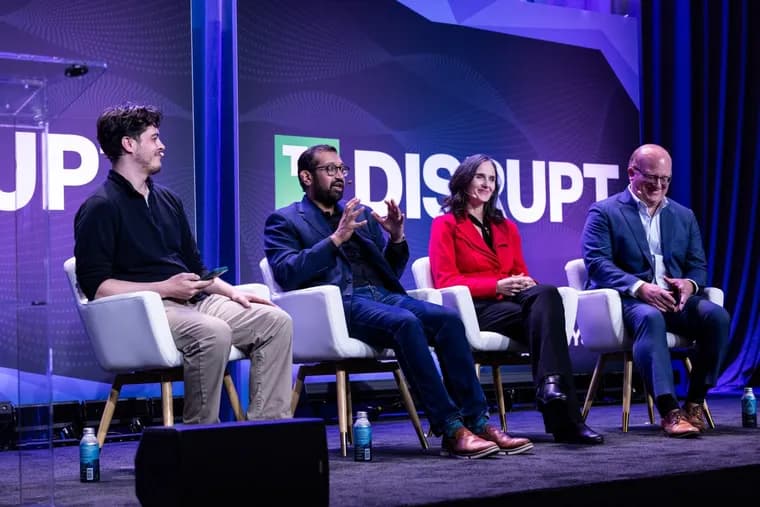
At TechCrunch Disrupt earlier this month, three industry figures tempered that criticism with optimism: Apoorv Bhargava, founder and CEO of WeaveGrid; Tim Heidel, CEO of Veir; and Kristin Eberhard, VP of policy at Rewiring America. They said the grid faces new challenges, but also plenty of new opportunities.
Bhargava described a very different grid from the one utilities used to run. "We're dealing with a ton of new variables, including renewable energy," he said, along with new load from electric vehicles, data centers and heat pumps. The ability to manage and orchestrate that load, he said, is what utilities are now grappling with. His company hopes to provide load orchestration and management that helps utilities get the most out of the current system. According to the founder, WeaveGrid's software can help organizations deploy energy efficiently while also optimizing connections to reduce utility payers' bills.
Heidel's company works on the physical side of the grid. Veir sells superconductive power lines that promise to transfer energy much more efficiently than traditional ones. The company has said its cables can carry power five times farther than traditional cables while requiring 20 times less space. Earlier this month Veir raised $110 million in a Series C round. Heidel said the scale of investment in AI infrastructure is driving a tremendous amount of innovation, with many new technologies coming off the shelves and starting to reach scale. Pulled together, he said, they can help make data centers good community neighbors. He added that the industry should look for ways to adopt all of that as fast as possible to ease the next stage of growth.
Eberhard, whose organization advocates for household electrification, said the surge in data center demand has created a new urgency for modernization and an environment where industries are ready to try new things. She called this "a very improv era" with a lot of "yes-and-ing": the country needs more transmission lines and more centralized power plants, she said, and also needs to take advantage of the other options it had previously been leaving on the table before the urgency of AI demand.
Key facts
- At TechCrunch Disrupt, leaders of WeaveGrid, Veir and Rewiring America argued that AI-driven energy demand, though stressful for the grid, opens the door to modernization.
- Critics worry the crunch could raise electrical bills in the short term and may eventually cause outages or other technical problems.
- WeaveGrid sells load orchestration and management software; its founder says it can help deploy energy efficiently and reduce utility payers' bills.
- Veir sells superconductive power lines; the company says they carry power five times farther and need 20 times less space than traditional cables. It raised a $110 million Series C earlier this month.
- Rewiring America's Kristin Eberhard says the country needs more transmission lines and power plants, and also the options it previously left on the table.
Why it matters
The article frames AI data center growth as both a strain and a prompt. The strain is the worry about higher bills and, further out, outages. The prompt, per the panelists, is that the urgency has created an environment where industries are ready to try new things, from load management software to new kinds of power lines. Heidel links the scale of AI infrastructure investment directly to a wave of new technology reaching scale.
Who it affects
Utilities, which Bhargava says are now grappling with managing and orchestrating a grid with new variables: renewable energy, electric vehicles, data centers and heat pumps. Utility payers, whose bills are the stated stake in both the worry and WeaveGrid's pitch. Data center operators and the communities around them, since Heidel talks about making data centers good neighbors. Grid equipment and software startups such as WeaveGrid and Veir.
How to use it
This is a panel report, not a product launch. The article describes what the two companies sell: WeaveGrid offers software for load orchestration and management aimed at helping utilities maximize the current system, and Veir sells superconductive power lines. The source gives no pricing, rollout timelines, named customers or deployments for either.
How solid is it
Mostly company and advocate statements from a conference panel. The efficiency figures for Veir's cables (five times farther, 20 times less space) are the company's own claims, and no independent verification is cited. WeaveGrid's bill-reduction benefit is likewise what its founder said. The $110 million Series C is reported as fact, but no investors are named. The source gives no figures for the size of the demand surge, for bill increases or for data center load.
Risks and caveats
The speakers have commercial or advocacy interests in the optimistic framing. The concerns about bills, outages and technical problems are stated as worries about what could or may happen; the source reports no specific outages or technical problems that have occurred. Even the optimists do not say the new technology replaces conventional build-out: Eberhard says the country needs more transmission lines and more centralized power plants as well.
“The scale of the investment in AI infrastructure is driving a tremendous amount of innovation”
— Tim Heidel, CEO of Veir, at TechCrunch Disrupt