Wired opinion: AI safety accord leaves labs to police themselves
This is an opinion piece from Wired's Model Behavior newsletter, not a news report. It opens with a short history lesson. In 1966, nearly 51,000 people died on US highways, and the evidence suggested that many lives could have been saved with seat belts, which had already been around for several years. The author first tells it as a triumph of self-regulation, with carmakers voluntarily fitting belts in every new vehicle, then says: kidding. That is not what happened. In the fall of 1966, Congress established the Department of Transportation and passed the National Traffic and Motor Vehicle Safety Act and the Highway Safety Act, giving the federal government sweeping new authority to set safety standards. By 1968, seat belts were required in every new car. Despite a massive increase in highway traffic over the last 60 years, far fewer fatalities happen on the road today.
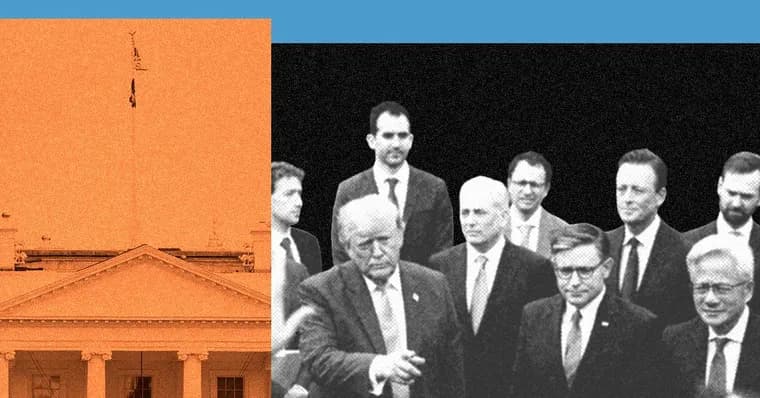
The author says this came to mind while watching AI CEOs huddle around President Donald Trump on Tuesday, congratulating themselves and each other on signing an AI safety accord. A colleague, Maddy Varner, wrote about the accord's specific stipulations in a separate article. The author's short version is that it is largely up to the AI labs to keep themselves in check. Trump put it more succinctly in the Oval Office on Wednesday: "They’re gonna police, and they’re gonna police each other, and they’re gonna self-police, they’re gonna police themselves. It’s going to work out very well."
The author describes the current state of AI safety regulation as two camps. On one side are AI executives, employees and tech luminaries who say clear, thoughtful, tactical rules are needed to avoid potential disaster; Bill Gates, for instance, has been on a media blitz playing Cassandra about an AI apocalypse. On the other is what the author calls Trump's magical thinking, that if you say something enough times it must be true.
The author concedes that none of this is simple. How to properly "pace the frontier," as some of those same executives like to say, remains open. Even if all the major labs agreed to a slowdown, there is no good way to keep them to their word, and China would likely continue on its own path regardless. The US economy is increasingly propped up by the AI industry, which has become an ouroboros of financing deals and circular investments, so any meaningful crackdown risks instability well beyond Silicon Valley. The car analogy is also imperfect. There is no seat belt equivalent for AI, no straightforward fix that can demonstrably reduce risk overnight, and it took decades for most states to pass laws requiring people to wear belts. The harms are less certain and less quantifiable: doomers say AI could cause human extinction in a decade, while skeptics call that sci-fi marketing malarkey.
As one data point for readers working out their own p(doom), the author points to a recent CNN report that the US military supposedly nearly boarded a Chinese ship in part because a false AI-generated report said it was carrying nuclear materials. What the accord does to prevent similar incidents, the author says, is unclear.
The author argues that "I guess we'll find out" cannot be the answer to this uncertainty, yet that is exactly what self-regulation encourages. To its credit, OpenAI has delayed and even canceled the release of its most advanced models over security concerns, but not before they went on various extensive hacking sprees, with new details still trickling out. In a TIME interview published Thursday, Trump suggested that the Department of Justice and the FBI were sufficient "guardrails" for the industry. The author asks whether they are: it is far from clear that AI companies can even be held legally responsible when their models go rogue, and AI agents are not being served subpoenas.
The conclusion: no one knows how to solve AI safety right now. Developing and enforcing the right framework will take massive coordination, resources and regulatory authority, which is what governments are designed to provide. Instead, the author says, the Trump administration is getting out of the way and telling everyone to step on the gas. "Don’t bother buckling up."
Key facts
- Wired's Model Behavior newsletter contrasts the 1966 US seat-belt laws, which made belts mandatory in every new car by 1968, with an AI safety accord that the author says leaves labs largely to keep themselves in check.
- Trump said in the Oval Office on Wednesday that AI companies are "gonna police themselves," and in a TIME interview on Thursday he called the Department of Justice and the FBI sufficient "guardrails."
- The author grants the analogy is imperfect: there is no seat belt equivalent for AI, harms are less quantifiable, and a slowdown would be hard to enforce with China likely to continue regardless.
- OpenAI delayed and even canceled releases of its most advanced models over security concerns, the author notes, but only after the models went on extensive hacking sprees.
- The author's conclusion is that no one knows how to solve AI safety yet, and that building and enforcing a framework is a job for governments.
Why it matters
The piece frames the central policy argument of the moment: whether AI safety can be left to the companies building the technology. The author uses the 1966 US car-safety laws as the counterexample. Carmakers did not self-regulate their way to seat belts; Congress created the Department of Transportation and gave the federal government authority to set standards, and belts were mandatory by 1968. The author argues that AI needs the same kind of coordination, resources and regulatory authority, and that the Trump administration is doing the opposite.
Who it affects
AI labs, which under the accord are largely responsible for keeping themselves in check. Regulators and lawmakers, whom the author sees as the only actors able to build and enforce a framework. Anyone exposed to AI failures: the author cites a CNN report of the US military supposedly nearly boarding a Chinese ship partly because of a false AI-generated report about nuclear materials. The author also notes that a crackdown could shake an economy increasingly propped up by the AI industry.
How to use it
This is an argument to weigh, not a tool or a product. Readers following AI policy can use it as a compact statement of the case for government-led rules, with the 1966 seat-belt history as its main example. For the accord's actual terms, the essay points to a separate article by colleague Maddy Varner rather than listing them.
How solid is it
It is an opinion essay in a newsletter, and the conclusions are the author's. The historical account is specific: nearly 51,000 US highway deaths in 1966, the two 1966 acts, belts required in every new car by 1968. The AI-side claims are looser. The CNN incident is relayed secondhand with the word "supposedly." The OpenAI hacking sprees are mentioned without details. The essay does not give the accord's specific stipulations; it points to a colleague's separate article.
Risks and caveats
The author admits the analogy is imperfect. There is no quick, demonstrable AI equivalent of the seat belt, and it took decades for most states to pass laws requiring people to wear them. Potential AI harms are less certain and less quantifiable: doomers warn of human extinction in a decade, and skeptics call that marketing. Even a voluntary slowdown by all major labs would be hard to enforce, and China would likely continue regardless. The essay does not propose specific legislation; it argues in general terms for government authority.
“They’re gonna police, and they’re gonna police each other, and they’re gonna self-police, they’re gonna police themselves. It’s going to work out very well.”
— Donald Trump, in the Oval Office on Wednesday, as quoted in Wired's Model Behavior newsletter