xAI offers to buy Mississippi homes if owners skip noise lawsuit
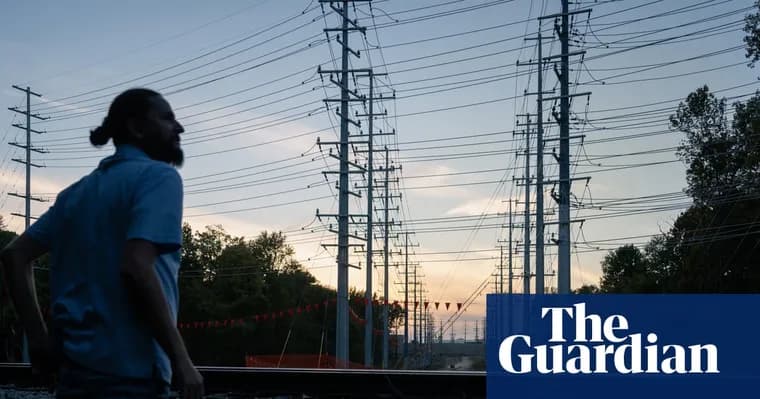
Real estate agents have been going door to door in Southaven, Mississippi, on behalf of xAI, offering to buy houses as long as the owners agree not to join a lawsuit against the company over noise from its power plant, the Guardian reports. (Musk’s AI company officially became SpaceXAI in July and has lately been rebranded as SpaceXSI, but neighbors still call it xAI.) In a letter handed to residents of the Colonial Hills neighborhood, MZX, the xAI subsidiary that operates the site, says it “requires property for its business purposes” and is prepared to buy nearby houses with a contractual condition: that owners do not join Jason Haley’s class-action lawsuit.
The plan could potentially swallow up almost the entire neighborhood. According to a recording heard by the Guardian, a realtor told one resident there is a target of 418 homes, with 18 owners already agreeing to sell. xAI did not respond to questions about those numbers or its plans for the area. It has previously said it intends to be a good neighbor, and it denies all claims in the noise lawsuit. The homes, the realtor and the local mayor say, will house xAI staff. The offers are at market value, in an area where the average house price is about $180,000. Since 9 October, DeSoto county records show five neighborhood homes bought by MZX.
The background is a fast build-out. Since July 2024 xAI has built three datacenters (Colossus I, Colossus II and Macrohardrr) across Memphis and Southaven. The power plant feeding them is a former Duke Energy site with 69 temporary gas turbines. The Guardian says the turbines were installed without permits; the US Environmental Protection Agency has determined dozens of them have run without permits required by federal law, though it also said enforcing the permit requirements is a matter for the state. No on-site air monitoring has been done, but the Southern Environmental Law Center estimates the emissions have caused $44m in annual health costs. In April, environmental groups and the NAACP sued in federal court to stop use of the turbines; the Justice Department unsuccessfully tried to block that suit, arguing xAI technology has been used to wage war on Iran and is required for national security. In July xAI agreed with state regulators to turn the plant into a newer, permanent gas-fired facility by next summer, which should reduce the noise.
Three locals filed the noise lawsuit in June, citing “near-constant noise, vibrations and other nuisance-level harms”. Haley, one of the plaintiffs, has owned his home for 20 years; the turbines sit about half a mile away. He says he cannot sleep and had been ignored in exchanges with Southaven’s mayor. Elizabeth Rose, a piano teacher who lives about two miles from the site, says it “sounds like an airplane engine but it’s continuous”, and fears the buyout will spread across the neighborhood: “Elonville.” Her roommate would accept three or four times the value of their home, she says, but she would still oppose a sale. Gavin Foust, a paramedic who lives near Haley, says his elderly neighbors have just agreed to sell because they want out. He will not take the offer himself because of the no-suit requirement, and calls the situation “reckless and shameful”.
Southaven’s mayor, Darren Musselwhite, says the buyout “is not intended to be a company city at this point” and has several purposes: housing for some employees and a goodwill gesture for those who see the industrial development as a negative. He says city monitors have not detected a breach of the local 70-decibel noise ordinance limit. Critics point to evidence that persistent noise of 50 decibels or more, like that recorded near the plant, may be linked to adverse health effects. The mayor also argues the development will bring unprecedented tax revenue to DeSoto county. The opposition is not universal: some locals are not much bothered, and others welcome the money in one of the poorest states in the union.
Key facts
- Agents acting for xAI are offering to buy Colonial Hills homes in Southaven, Mississippi, on condition owners do not join a class-action noise lawsuit, per a letter from the xAI subsidiary MZX.
- A realtor told a resident the target is 418 homes, with 18 owners already agreeing to sell (from a recording heard by the Guardian; xAI did not respond to questions on the numbers).
- DeSoto county records show MZX has bought five neighborhood homes since 9 October; the average house price in the area is about $180,000.
- The lawsuit was filed in June by three locals over noise from a plant of 69 temporary gas turbines; xAI denies all claims.
- Mayor Darren Musselwhite says the buyout will house some employees and is a goodwill gesture, and that city monitors found no breach of the 70-decibel limit.
Why it matters
Datacenter growth is running into the people who live next to its power supply. Here the company’s subsidiary is offering to buy out a neighborhood, and the Guardian reports the offer carries a condition that owners stay out of a lawsuit over the plant’s noise. The same plant is already the subject of an EPA finding on missing permits and a separate federal suit from environmental groups and the NAACP, so the neighborhood dispute sits inside a larger fight over how Musk’s datacenters are powered.
Who it affects
Residents of Colonial Hills on the western side of Southaven, especially the three plaintiffs in the June lawsuit and any other owners who might have joined it. Those who take the offer leave the neighborhood and, per the letter, forgo joining the suit; those who refuse stay beside the turbines. It also touches xAI staff who are expected to occupy the homes, and the city, whose mayor backs the datacenters for jobs and tax revenue.
How to use it
This is not a product or a tool, so there is nothing to adopt. The practical reading is for people following the story: the offers are described as market value, but the source gives no per-home prices for the five completed purchases and no deadline. The detail to watch is the contractual condition itself, which led Foust to say he would not accept, while Rose’s roommate would sell for three or four times the home’s value.
How solid is it
The core claim rests on the Guardian’s reporting, the MZX letter described in it, and DeSoto county records showing five purchases since 9 October. The 418-home target and the 18 agreeing owners are weaker: they come from one realtor’s words on a recording heard by the Guardian, and xAI did not respond to questions about them. The $44m health-cost figure is an estimate by the Southern Environmental Law Center, not a measurement. The mayor’s explanation of the buyout’s purposes is his own account.
Risks and caveats
The plan “could potentially” cover almost the whole neighborhood; that is a possibility, not a confirmed scope. The homes are said to be for xAI staff, and the mayor says it is not meant to become a company city. xAI denies the lawsuit’s claims and says it cares about being a good neighbor; it has varied its power output and built sound-dampening walls. The mayor says no breach of the 70-decibel limit has been detected, while critics point to health links at 50 decibels or more. The Guardian also notes that opposition among locals is not universal.
“The buyout has multiple purposes which are to provide homes for some employees and a goodwill gesture from a good corporate citizen for those who perceive the industrial development near them as a negative.”
— Darren Musselwhite, Southaven’s mayor