9th Circuit rules Kalshi sports contracts are gambling, not swaps
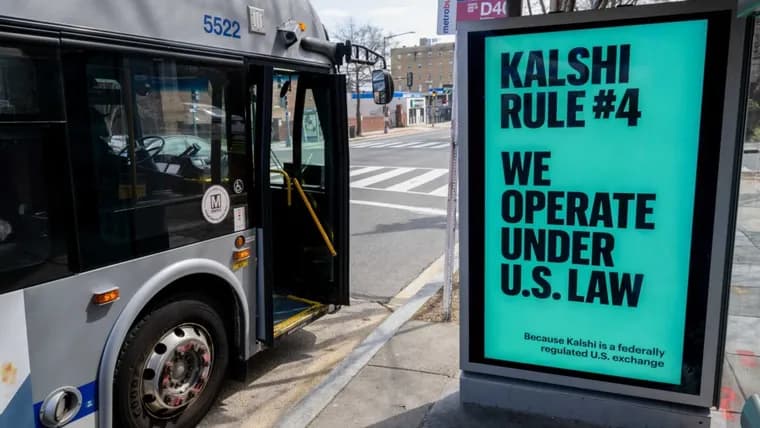
Kalshi lost a major ruling over whether it can sidestep state gambling laws. The US Court of Appeals for the 9th Circuit, a panel of three Trump-appointed judges, unanimously ruled against the prediction market platform, affirming a lower court order that lets Nevada enforce its state gaming laws against Kalshi's sports-related event contracts. The ruling came even as the Trump administration has been trying to help prediction markets avoid state regulation. The case turned on whether a sports bet offered through a prediction market meets the legal definition of a "swap," a category the Commodity Futures Trading Commission (CFTC) alone can regulate under the Commodity Exchange Act. Kalshi argued it is not a sports betting platform but a CFTC-designated contract market offering legal sports-event contracts, and that Nevada's gaming rules therefore do not apply. Judge Ryan Nelson, writing for the panel, laid out how the dispute reached this point: as activity on Kalshi's platform grew, the Nevada Gaming Control Board sent the company a cease-and-desist letter for violating state gaming statutes, and Kalshi sought injunctive relief in response. Nelson also quoted Kalshi's own marketing back at the company, noting that KalshiEX, LLC advertises itself as "the first app for legal sports betting in all 50 states." The Nevada Gaming Control Board said the 9th Circuit "emphatically reject[ed] the view that the federal Commodity Exchange Act preempts application of Nevada's gaming laws to sports-event contracts offered by Kalshi, Crypto.com, and Robinhood," extending the practical reach of the decision beyond Kalshi alone. Nevada Governor Joe Lombardo said prediction markets offering sports-event contracts "constitute gambling and must comply with Nevada's gaming laws and regulatory framework." The ruling puts the 9th Circuit at odds with a 3rd Circuit decision against New Jersey, which found that sports wagers on prediction markets do count as swaps. That circuit split raises the odds that the Supreme Court will eventually have to resolve the question. The article does not report a company statement from Kalshi, an exact date for the ruling beyond "today," or any indication of what happens next for its Nevada operations.
Key facts
- The 9th Circuit's three-judge panel, all Trump appointees, unanimously ruled against Kalshi
- The court affirmed a district court order allowing Nevada to enforce its gaming laws against Kalshi's sports-event contracts
- Judge Ryan Nelson's opinion quoted Kalshi's own ad copy: 'the first app for legal sports betting in all 50 states'
- The Nevada Gaming Control Board said the ruling also touches sports-event contracts from Crypto.com and Robinhood
- The ruling conflicts with a 3rd Circuit decision against New Jersey that found the same contracts ARE swaps, raising the chance of Supreme Court review
Why it matters
This is a direct defeat for Kalshi's core legal argument: that because its sports-event contracts are traded on a CFTC-designated exchange, they count as federally regulated swaps and states cannot touch them. The 9th Circuit disagreed outright, and did so unanimously with a panel of three Trump-appointed judges, even as the Trump administration has been working to help prediction markets escape state oversight. That combination makes the ruling harder for Kalshi to dismiss as partisan.
Who it affects
Kalshi is the direct target, but the Nevada Gaming Control Board's own statement extends the practical stakes to Crypto.com and Robinhood, which also offer sports-event contracts. State gaming regulators elsewhere get a precedent to point to; state governments generally gain a stronger hand against prediction markets operating in their jurisdictions.
How to use it
For anyone using or building on prediction markets, this ruling is a signal that a CFTC designation is not a blanket shield from state gambling law, at least in the 9th Circuit's jurisdiction. Where a platform's sports contracts are challenged, its legal footing now looks weaker in states covered by this circuit than in the 3rd Circuit, where the opposite conclusion stands.
How solid is it
This is a decision from a federal appeals court, the US Court of Appeals for the 9th Circuit, affirming a district court's order, so it carries real legal weight and is not a preliminary or advisory finding. The panel's ruling was unanimous. The source does not give a docket number or the exact filing date of the decision beyond noting it came out "today."
Risks and caveats
The ruling creates a circuit split: the 3rd Circuit previously found, in a case against New Jersey, that these same kinds of sports wagers are swaps, the opposite conclusion. That conflict between circuits raises the likelihood the Supreme Court eventually steps in, meaning the legal question is not settled nationally. No company response from Kalshi is reported, and the source does not state what happens next operationally for Kalshi's sports-event contracts in Nevada, such as an enforcement timeline or any planned appeal.
“KalshiEX, LLC advertises itself as 'the first app for legal sports betting in all 50 states'”
— Judge Ryan Nelson, quoting Kalshi's own marketing, in the 9th Circuit opinion