California passes plug-in balcony solar law, latest US state
Plug-in solar, also called balcony solar because apartment dwellers can use it, is spreading quickly across the U.S., National Geographic reports. California is the latest state to pass a law cutting the red tape that has kept consumers from generating some of their own electricity with a small number of panels. Utah was first, in the spring of 2025. Nine states have since passed similar legislation: Colorado, Connecticut, Maine, Maryland, New Hampshire, New Jersey, Vermont, Virginia and now California. New York lawmakers have approved a bill that is awaiting the governor's signature, and nearly two dozen other state legislators have introduced such bills.
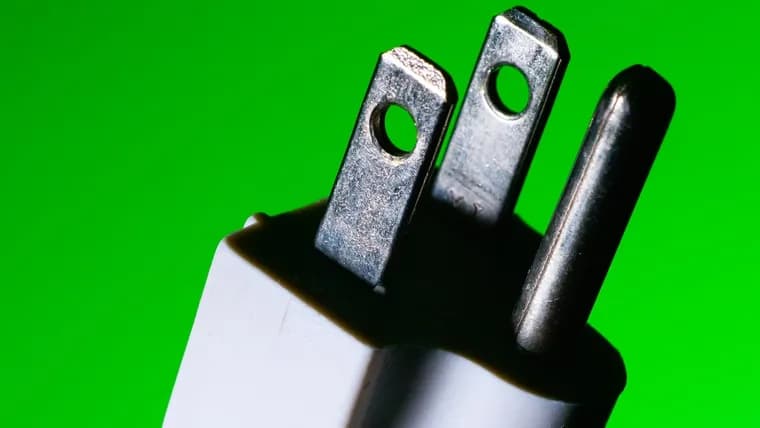
The systems are small. They typically have one to three panels, to stay below the maximum wattages the laws allow. A small metal box called an inverter is attached to the panels and plugged into a wall outlet, and the current is pushed to other outlets throughout the home. That differs from rooftop solar, which is wired in through the circuit breaker panel and sends excess power back to the utility; power from plug-in systems stays in the home. Jennifer Eden, who works on renewable energy programs for the policy nonprofit Utah Clean Energy, says such systems typically contribute 10 to 30 percent of an average home's electricity use.
The article points to Europe as the model. IKEA sells plug-in solar kits in Germany, where more than a million units have been installed in the past few years. Joshua Pearce, an electrical engineer at Western University in Ontario, Canada, who advanced the merits of plug-in solar a decade ago, predicts that "this is going to take off like hotcakes" as more states approve the technology and more products appear. With widespread adoption, he calculated in a 2017 journal article, U.S. residents could save an estimated $13 billion a year in electricity costs, a figure he says is higher now that electric rates have soared. Eden says the appeal is an entry point into solar that does not cost tens of thousands of dollars and can be used by people who do not own their home.
The piece follows two sets of users. Andrew Leon and Victoria Mauro, in suburban South Salt Lake City, Utah, have three angled panels plugged into an outlet outside their spare bedroom. The unit runs laptops, lights and some appliances, including the refrigerator, though they still draw grid power for the air conditioner and major appliances. They say they have shaved nearly $100 in total from Utah's typically low electric bills since May. Nick Danz, a train conductor who lives in an apartment in Fort Collins, Colorado, read about plug-in solar's popularity in Germany. When Colorado passed its law this summer, he contacted the California-based clean-energy nonprofit Bright Saver, which sells plug-in systems without markups. He paid under $300 for a one-panel unit and clipped it over his small, third-floor, southwest-facing balcony. It tripped his circuit breaker and shut off his computer several times until a different inverter fixed the problem. Danz estimates he has saved more than $300 on his power bills since August, and says the panel is essentially running all of his standby items while he is away working four days a week. He plans to move to an apartment with a larger balcony and hang three panels, the most Colorado's law allows.
Safety and local rules are the open questions. Some utilities have worried that plug-in units could send power back to the grid and electrocute line workers; Pearce found that no microinverters sold in the U.S. are capable of this. Earlier this year UL Solutions set safety standards for plug-in solar systems and has already certified one manufacturer. Pearce has also heard concerns that the power pumped into wall sockets could set fire to wiring in old homes, but says that has never happened in Europe despite widespread adoption. In June the British government tested several products sold there and found no direct electrical hazard, although some had minor problems such as not tripping the circuit breaker fast enough when stressed. Local rules can also get in the way even where state law allows balcony solar: Leon and Mauro put their panels in front of their house to avoid shade from trees behind it, and a zoning employee told them city rules prohibit panels there. The panels remain in place while the couple works with the zoning board to loosen the restrictions.
Key facts
- Utah legalized balcony solar first, in spring 2025; nine states have since passed similar laws, the latest being California, and a New York bill awaits the governor's signature.
- Plug-in systems typically use one to three panels and an inverter plugged into a wall outlet; power stays in the home and typically covers 10 to 30 percent of an average home's use, per Utah Clean Energy's Jennifer Eden.
- Germany has more than a million installed units; Joshua Pearce's 2017 estimate of $13 billion a year in U.S. savings under widespread adoption is, by his account, now higher.
- Users report modest savings: Nick Danz paid under $300 for a one-panel unit and estimates he has saved more than $300 since August; Andrew Leon and Victoria Mauro cite nearly $100 since May.
- Remaining obstacles are local rules, which can restrict panels even where state law allows them, and utility concerns about grid backfeed that Pearce says do not apply to microinverters sold in the U.S.
Why it matters
Rooftop solar has meant expensive, technical installations. Plug-in systems offer a cheap, portable entry point, and state laws are what unlock them: Utah went first in spring 2025, nine more states have followed, and a New York bill awaits signature. California joining the list is what prompts the article's claim that the technology is about to take off. The comparison point is Germany, where more than a million units have been installed in a few years.
Who it affects
Apartment dwellers and renters are the group the technology is named for, since Eden notes it can be used by people who do not own their home. Homeowners with small yards, such as Leon and Mauro, can use it too. Utilities are affected as well: they have raised grid-safety concerns, and the article says power from these systems stays in the home rather than flowing back. Residents of states that have not yet passed a law, including those with bills introduced in nearly two dozen legislatures, are waiting on lawmakers.
How to use it
A typical setup is one to three panels with an inverter plugged into an ordinary outlet, kept within the maximum wattages in the state's law. Danz bought a one-panel unit for under $300 from Bright Saver, a California-based nonprofit that sells plug-in systems without markups, and attached it to his balcony with metal clips. Orientation matters: his southwest-facing balcony was described as good, with directly south the most ideal. If the circuit breaker trips, as his did, a different inverter may fix it. Check local zoning before placing panels, because city rules can restrict them even where state law permits. Colorado's law, for example, allows at most three panels, according to Danz.
How solid is it
The article is a feature built on named experts and two users' experiences, and its savings numbers are self-reported. Danz's more than $300 saved and Leon and Mauro's nearly $100 are their own estimates or reports, not independent measurements. The $13 billion a year figure is Pearce's 2017 calculation for widespread adoption, and he says it is higher now. Pearce is described as having advanced the merits of plug-in solar a decade ago, and his predictions are forecasts. The legislative facts (Utah first, nine states since, New York pending) are stated plainly by the article. Eden's 10 to 30 percent range is a typical figure for an average home, not a guarantee.
Risks and caveats
Safety concerns are real enough to have prompted testing. Some utilities worry that plug-in units could send power back to the grid and endanger line workers; Pearce found no microinverters sold in the U.S. capable of this. UL Solutions set safety standards earlier this year and has certified one manufacturer so far. The British government's June tests found no direct electrical hazard, but some products had minor problems, such as not tripping the circuit breaker fast enough when stressed. Fire risk in old home wiring has been raised; Pearce says it has never happened in Europe. Practical hurdles include local zoning, which has left Leon and Mauro's panels in place while they negotiate with the zoning board, and inverter compatibility with apartment circuit breakers. Savings are modest: Leon and Mauro still rely on the grid for their air conditioner and major appliances.
“When we first heard about it, we thought it seemed way too good to be true, to just plug a solar panel into the wall and generate electricity”
— Victoria Mauro, South Salt Lake City, Utah, plug-in solar user