Tesla renames Full Self-Driving (Supervised) as Tesla Assisted Driving in Europe
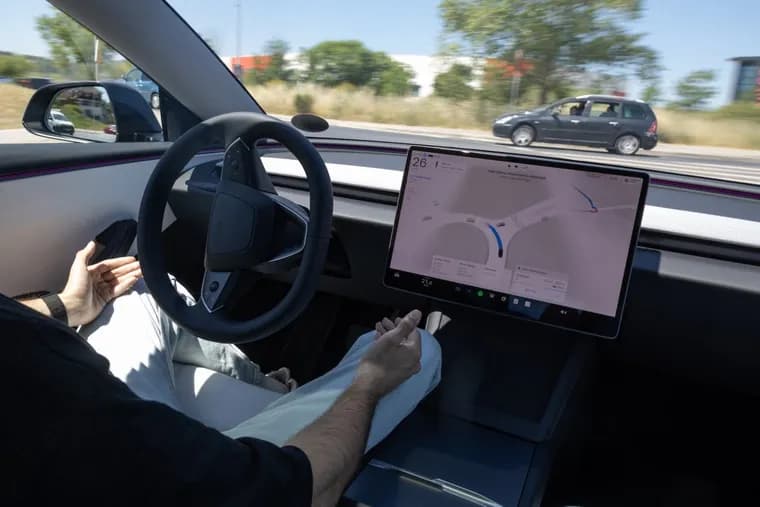
Tesla has changed the name of its advanced driver assistance system in Europe after pushback from Germany's transportation ministry. The system, sold for years as “Full Self-Driving (Supervised)”, is now called “Tesla Assisted Driving”. TechCrunch calls it a big capitulation: Tesla kept the old name for years even though the system requires humans to pay attention to the road and take over when necessary.
The trigger was Germany's transport minister, Steffen Bilger. Earlier this month he said that calling the software “Full Self-Driving” was somewhat misleading because it does not perform the entire task of driving. According to an official ministry release, he spoke with Tesla last month and the company itself suggested the name change. Bilger said he will now advocate for approval of Tesla Assisted Driving across Europe ahead of an EU-wide vote that could happen later this year. Tesla CEO Elon Musk thanked Bilger on X this week.
The commercial stakes are large. TechCrunch says the new name could help Tesla reach its goal of wider adoption on the continent, which could unlock a potentially massive new revenue stream. Musk has spent years pushing for the system, known as FSD, to be approved in Europe. In June 2025 he wrote on X: “FSD in Europe will save lives of people in the car, as well as vulnerable road users like pedestrians, cyclists, and pets,” and added, “Please let your government know that you want approval.” In March of this year he wrote that the “extreme regulatory burden” of the EU “stifles innovation in Europe” and that Europe “will love Tesla self-driving!”
Just a few weeks after that March post, the Netherlands became the first European country to approve FSD (Supervised). On Wednesday, Reuters reported that Tesla's campaign for European approval has been “built on faulty company safety research” and “flawed studies”. Reuters also reported that the Dutch vehicle safety regulator, RDW, faced fierce pressure from Tesla and its legion of online supporters.
TechCrunch acknowledges that the software has become far more capable. What used to be little more than a mix of lane centering and adaptive cruise control is now a system that some owners use for nearly 100% of their daily driving. FSD can pull in and out of parking spots and navigate surface streets and highways, and Tesla recently made it possible for FSD to intervene in a human driver's control of the vehicle if it senses an oncoming collision, even when FSD is not active.
The record has a darker side. FSD has been at the center of federal investigations and civil lawsuits over crashes in which it was allegedly in use. Its less capable predecessor, Autopilot, has been associated with dozens of fatalities. Tesla discontinued Autopilot earlier this year after a judge ruled that Tesla had engaged in deceptive marketing about the system's capabilities.
Key facts
- Tesla renamed “Full Self-Driving (Supervised)” to “Tesla Assisted Driving” in Europe after pushback from Germany's transportation ministry.
- Transport minister Steffen Bilger called the old name somewhat misleading because the software does not perform the entire task of driving; per a ministry release, Tesla itself suggested the change after speaking with him last month.
- Bilger says he will now advocate for approval of Tesla Assisted Driving across Europe ahead of an EU-wide vote that could happen later this year.
- The Netherlands was the first European country to approve FSD (Supervised); Reuters reported that Tesla's approval campaign was built on faulty company safety research and that the Dutch regulator RDW faced fierce pressure.
- FSD has been the subject of federal investigations and civil lawsuits over crashes in which it was allegedly in use, and Tesla discontinued Autopilot earlier this year after a judge found deceptive marketing.
Why it matters
A product name is being treated as a regulatory issue. Germany's ministry argued that “Full Self-Driving” overstates what a system that still needs a supervising human can do, and Tesla agreed to drop it. The change also removes an obstacle to a bigger prize: TechCrunch says wider adoption in Europe could unlock a potentially massive new revenue stream, and Bilger has said he will push for approval across Europe ahead of an EU-wide vote that could happen later this year.
Who it affects
Tesla and Tesla owners and buyers in Europe are the direct audience, since the system they use or may buy now carries a different name. It also touches regulators: the German transport ministry, which pushed for the change, and the Dutch regulator RDW, which approved the system first and, per Reuters, faced fierce pressure from Tesla and its online supporters. EU decision-makers face the pending vote on approval.
How to use it
There is nothing new to switch on. The system that was sold in Europe as Full Self-Driving (Supervised) is now called Tesla Assisted Driving, and it still requires the driver to pay attention to the road and take over when necessary. The source does not say whether the system's functionality changed along with the name. Approval varies by country; the Netherlands is the first European country to have approved it.
How solid is it
The rename itself is reported as fact by TechCrunch. The German ministry's account of events, including that Tesla suggested the change after Bilger spoke with the company last month, comes from an official ministry release. The Reuters findings about faulty company safety research are relayed second-hand through the article. The source gives no exact date for when the new name took effect or for the ministry release, and no date for the EU-wide vote, which it says only could happen later this year.
Risks and caveats
Approval is not settled: the EU-wide vote is still ahead and its timing is open. The revenue upside is stated as something that could happen, with no figures. The Reuters report that Tesla's campaign relied on “flawed studies” and pressured the Dutch regulator could cloud the approval process. FSD has faced federal investigations and civil lawsuits over crashes in which it was allegedly in use, and Autopilot, its less capable predecessor, has been associated with dozens of fatalities and was discontinued after a judge ruled Tesla had engaged in deceptive marketing.
“FSD in Europe will save lives of people in the car, as well as vulnerable road users like pedestrians, cyclists, and pets”
— Elon Musk, writing on X in June 2025