AI data centers are helping fuel a US natural-gas boom
A piece in The Spark, MIT Technology Review's weekly climate newsletter, argues that the US data center boom is helping to fuel a massive natural-gas resurgence. The author recalls that in May 2025 colleague David Rotman wrote a feature on how AI could keep the country dependent on natural gas, and says that 18 months later he has been proved right more times than the author can count. Other sources, including wind and solar backed by batteries, could technically meet rising electricity demand, but the author says that is not how things are going in the US so far.
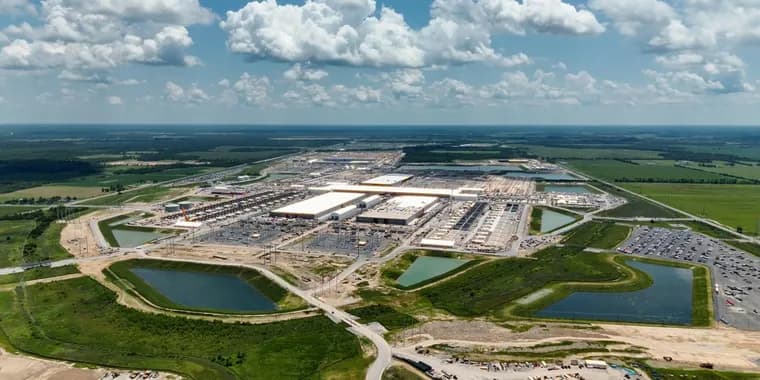
One example is the Meta data center in Louisiana that Rotman focused on. Plans for it have expanded, as have its power needs, and the local utility went from three planned natural-gas plants to 10.
Interconnection queues, the lists of power plants that have asked to connect to the grid, offer a view of where things are heading. In recent years they have been dominated by renewables such as wind and solar, which are generally the cheapest way to build new capacity today. Some places have shifted, particularly PJM, the largest US grid operator, which covers parts of 13 states from Illinois to Washington, DC. In August, PJM announced it had accepted proposals for 715 projects of all types, with more than 200 gigawatts of capacity, to join its queue. Natural-gas plants accounted for nearly half of that capacity. If every queued project were built, the fossil-fuel share on PJM's grid would rise from 61% to 67%, according to an analysis by Kevin Kircher, an energy modeler and assistant professor of mechanical engineering at Purdue. The author says the queue reflects a wider national trend: natural gas is already the biggest single source of US electricity and has basically become the default for meeting surging demand.
Tech companies' emissions are feeling the effect. Meta's 2026 Sustainability Report shows its emissions up 45% over last year's, a bigger jump than at Google (18%), Amazon (16%) or Microsoft (25%). Meta also says it is "reevaluating" its 2030 net-zero goal, with no details on how or when it might decide. The company adds that when the grid cannot deliver power "on the necessary timeline," it will look to other methods, including building its own on-site generation.
That matches a trend the author has been tracking: developers want to skip long waits for a grid connection by building their own plants, including off-grid gas plants. On-site power is not new for heavy industry. Chemical plants often generate electricity and heat from natural gas, though they are generally grid-connected too, and remote mines need off-grid supply. But the desire to come online quickly could produce a massive off-grid boom for data centers. More than 100 such facilities have been proposed in the US, totaling 115 gigawatts, over double California's entire peak power demand. The vast majority were proposed since the start of 2025.
The author points to alternatives: inexpensive wind and solar, which batteries could make more reliable, and demand flexibility, which limits grid draw when demand is high. For now, the piece concludes, evidence keeps mounting that the US AI boom is basically synonymous with a natural-gas boom.
Key facts
- PJM announced in August that it had accepted 715 projects of over 200 gigawatts into its queue, with natural gas making up nearly half the capacity.
- Building every queued project would raise PJM's fossil-fuel share from 61% to 67%, per an analysis by Purdue's Kevin Kircher.
- The utility serving Meta's expanded Louisiana data center went from three planned natural-gas plants to 10.
- Meta's emissions rose 45% over last year's, and the company is reevaluating its 2030 net-zero goal.
- More than 100 off-grid power facilities for data centers, totaling 115 gigawatts, have been proposed in the US.
Why it matters
Power plant choices shape the future grid, and the piece argues that data center demand is pushing those choices toward gas. Queues that renewables have dominated in recent years now show a major uptick in gas proposals at PJM. The author notes that natural gas already leads US electricity supply and is basically the default answer to surging demand. Off-grid proposals add a second route for new generation outside the grid itself.
Who it affects
PJM's territory spans parts of 13 states between Illinois and Washington, DC, so the shift in its queue concerns a large area. Tech companies are affected through their emissions: the piece cites increases at Meta, Google, Amazon and Microsoft. Data center developers facing long waits for a grid connection are the ones looking to build their own plants.
How to use it
To gauge where a grid is heading, the author suggests looking at interconnection queues, which list the plants asking to connect. Read capacity shares with care: the "nearly half" figure for gas at PJM refers to total proposed capacity, not to the number of projects. As other ways to help meet demand, the piece names wind and solar, potentially paired with batteries for reliability, and demand flexibility during high-demand periods.
How solid is it
This is a newsletter analysis with a clear argument, drawing on PJM's August announcement, an analysis by Kevin Kircher of Purdue and Meta's 2026 Sustainability Report. The emissions comparison and the queue figures are specific. The text does not name a source for the count of over 100 off-grid facilities or their 115 gigawatts. The Louisiana example does not name the local utility or give a timeline for the 10 plants.
Risks and caveats
Queued and proposed projects are not built ones. The 67% fossil share applies only if every project in PJM's queue gets built, and the off-grid figures describe proposals, with no count of how many are approved or built. The piece also does not say how much of the companies' emissions growth comes from natural gas. Meta has said it is reevaluating its net-zero goal, which is not the same as dropping it.
“Right now, though, the evidence continues to stack up that the AI boom in the US is basically synonymous with a natural-gas boom.”
— The author, in The Spark, MIT Technology Review's weekly climate newsletter