Arizona appeals court orders resentencing over AI video of murder victim
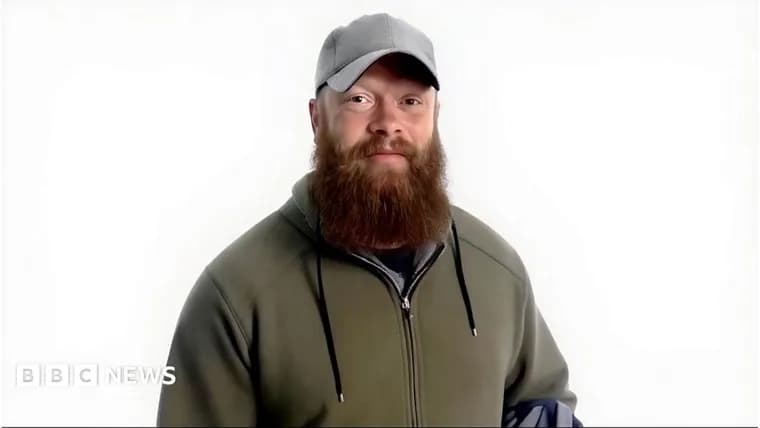
An Arizona road rage killer will be resentenced after the Arizona Court of Appeals ruled that an AI-generated video message from his dead victim was improperly aired in court, the BBC reports.
Gabriel Paul Horcasitas was found guilty by a jury of shooting and killing Christopher Pelkey, 37, during a confrontation at a red light in 2021. He was sentenced to 10 years behind bars. His legal team appealed, arguing that the trial judge should not have allowed an AI video, created by Pelkey's family, to be shown in court ahead of last year's sentencing.
The appeals court agreed. It ruled that Horcasitas, 55, must be resentenced because the AI clip "crossed that line". In its written ruling on Wednesday, the court said: "Rather than document an event or recording a particular moment, the AI video presents a depiction of the victim and his thoughts created from the imaginings of the victim's sister."
Pelkey's sister, Stacey Wales, told the BBC last year that the family had used voice recordings, videos and pictures to recreate him for the video. In court in 2025, the AI version of Pelkey said: "To Gabriel Horcasitas, the man who shot me, it is a shame we encountered each other that day in those circumstances. In another life, we probably could have been friends." Wearing a grey baseball cap, the AI figure continued: "I believe in forgiveness, and a God who forgives. I always have and I still do."
The judge who oversaw the case, Todd Lang, seemed at the time of sentencing to appreciate the use of AI. "I loved that AI, thank you for that. As angry as you are, as justifiably angry as the family is, I heard the forgiveness," Judge Lang said. "I feel that that was genuine."
Horcasitas' lawyer, Kristen Reller, who filed the appeal, declined to comment. Jessica Gattuso, an attorney for victims in the case, did not respond to a request for comment.
Key facts
- The Arizona Court of Appeals ruled that an AI-generated video of victim Christopher Pelkey, made by his family, was improperly aired at sentencing.
- Gabriel Paul Horcasitas, 55, was found guilty by a jury of shooting and killing Pelkey, 37, at a red light in 2021; he received 10 years and must now be resentenced.
- The court said the video presents a depiction of the victim and his thoughts created from the imaginings of his sister, rather than documenting an event or recording a particular moment.
- Judge Todd Lang had welcomed the video at sentencing: "I loved that AI, thank you for that."
Why it matters
Courts are being asked to decide what a synthetic recreation of a person is. Here an appeals court drew a line: a video that depicts a victim and his thoughts, built from a relative's imaginings, is not the same as a document of an event or a recording of a particular moment. The trial judge had embraced the video and said he found its message of forgiveness genuine, and the sentence he then imposed is now to be redone.
Who it affects
Most directly Horcasitas, who must be resentenced, and Pelkey's family, whose AI video led to the reversal. It also touches prosecutors, defence lawyers and trial judges in Arizona who may face similar requests to show AI-made material at sentencing.
How to use it
This is a legal ruling, not a product. The practical takeaway for anyone preparing material for a court is the distinction the appeals court drew: documenting an event or recording a particular moment, versus presenting a depiction built from someone's imaginings.
How solid is it
The account comes from the BBC, which quotes the court of appeals' written ruling from Wednesday and the trial judge's remarks at sentencing. The calendar date of the ruling is not given, only 'Wednesday'. The source does not give the court's full legal reasoning beyond the quoted passage and the phrase 'crossed that line'. It also does not name the appeals court judges or give the case citation.
Risks and caveats
The source does not say what the new sentence will be or when resentencing will take place. It does not say whether prosecutors or the family will appeal further. Horcasitas' lawyer declined to comment and the victims' attorney did not respond, so the source carries no reaction from either side to the ruling. It also does not say which AI tools were used to make the video.
“Rather than document an event or recording a particular moment, the AI video presents a depiction of the victim and his thoughts created from the imaginings of the victim's sister”
— Arizona Court of Appeals, ruling written on Wednesday, as quoted by the BBC