ChatTJB replaces an AI chatbot with one guy answering by hand
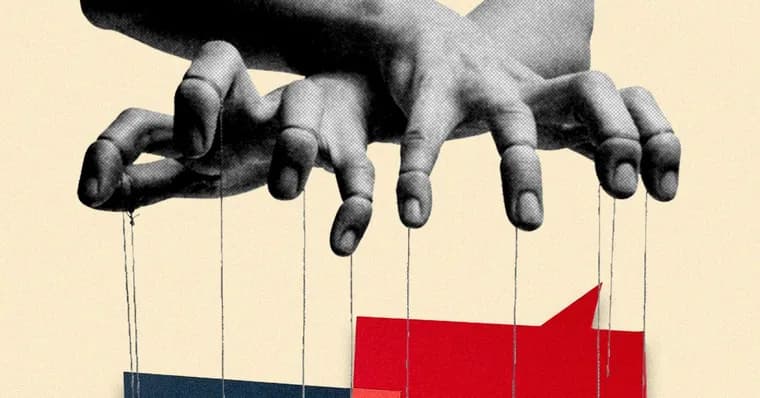
Tucker Bryant, a 32-year-old public speaker, artist and former Google project manager, runs ChatTJB, a chatbot with no model behind it. Every question submitted through the site gets answered by Bryant himself, typing replies or sketching requested images by hand; a San Francisco billboard advertises it as "the leading chat interface powered by AI," where AI stands for "average individual."
Bryant tells Wired he launched ChatTJB in April, but it stayed quiet until July 27, when the $6,000 billboard went up and news coverage followed. By August 6, ChatTJB had received over 30,000 queries, peaking at about 5,000 prompts an hour. To keep up, Bryant enlisted 10 volunteers to help answer questions, chosen from more than 3,000 people who applied.
Bryant calls ChatTJB, first and foremost, an art project rather than a joke or a social experiment. He says it grew out of concern about "cognitive surrender," his term for accepting AI outputs with less and less critical thinking, after catching himself asking an LLM whether to wear short or long sleeves on a 65-degree day in a city he has lived in for seven years. Requests he has fielded range from drawing a frog eating spaghetti and San Francisco mayor David Lurie as Godzilla to advice on birthday plans or what to cook with what is in someone's fridge; he says people often start out treating it as a joke, then end up sharing something more personal once they realize a real person is responding.
Bryant is upfront that he is not a good artist and his advice is no better than anyone else's, calling ChatTJB "the worst LLM of all time" on YouTube, but says users seem to value talking to a human over getting expert advice. The site offers a $5 a month "ChatTJB Pro" tier that the website itself calls "a worthless tier," giving subscribers nothing beyond the knowledge that they are supporting the art; about four people have signed up so far, which has not covered the billboard's cost. Bryant says he did not build ChatTJB to make money, but to get people to reconsider their relationship with technology at a moment of AI-bubble anxiety, and to make that moment feel a little lighter. The billboard is due to come down in late August.
Key facts
- Tucker Bryant, 32, a public speaker, artist and former Google project manager, personally answers every question submitted to ChatTJB instead of an AI model doing it.
- The project launched in April but took off after a $6,000 billboard went up in San Francisco on July 27; by August 6 it had received over 30,000 queries, peaking at about 5,000 prompts per hour.
- Bryant recruited 10 volunteers to help field prompts, selected from more than 3,000 people who applied.
- He built ChatTJB to comment on "cognitive surrender," the tendency to accept AI outputs with little scrutiny, after noticing he deferred to an LLM even for questions like what to wear in weather he knows well.
- A $5-a-month "ChatTJB Pro" tier is explicitly billed on the site as worthless, and only about four people have subscribed; Bryant says he did not create the project to make money.
Why it matters
ChatTJB is a piece of performance art aimed squarely at AI-chatbot culture: by replacing the model with a person, it makes the habit of outsourcing small decisions to an LLM visible and a little absurd. It landed at a moment when AI-bubble anxiety and stories about AI dependence are widespread, and its billboard framing ("AI" as "average individual") makes the critique legible without a single line of code.
Who it affects
It affects the general public and tech-culture observers, not developers or businesses. Anyone can submit a question through the site; the story is really about how ordinary users react when they learn a real person, not a model, is on the other end.
How to use it
Users submit a question or image request through the ChatTJB website, and Bryant or one of his 10 volunteers answers it personally, in writing or by hand-drawn sketch, with no guaranteed response time. A $5-a-month "ChatTJB Pro" tier exists but by design provides nothing beyond supporting the project; the source gives no other pricing or access details.
How solid is it
The account comes from Wired's direct interview with Bryant, and the usage figures (query counts, hourly peak, volunteer and applicant numbers, subscriber count) are all his own self-reported statistics rather than independently verified data. The billboard and website are directly observable and corroborate that the project exists as described.
Risks and caveats
The growth numbers cannot be checked against any outside source. ChatTJB is explicitly an art project and social commentary, not a functional alternative to AI chatbots: the replies themselves involve no automation, though Bryant used the AI tool Lovable to build the ChatTJB website itself, so it does not scale the way a real chatbot would. The billboard that drove its visibility is due to come down in late August, and the source does not say what happens to the project after that.
“It was sort of an opportunity for me to provide a little bit of commentary on a strange moment that I feel like we're in”
— Tucker Bryant, creator of ChatTJB