Cities cancel Flock Safety camera contracts at record pace
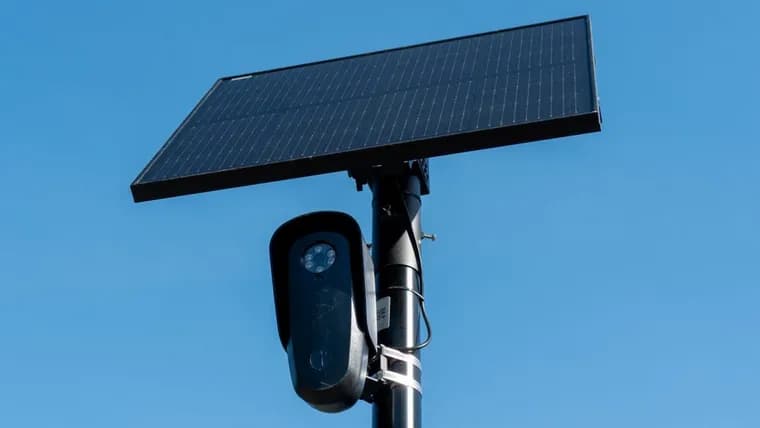
New data compiled by Secure Justice, an Oakland based anti-surveillance advocacy group, shows American cities and counties cutting ties with camera maker Flock Safety at a rate that is climbing sharply. The group has recorded 214 cities and counties that have dropped Flock since 2021. Of those, 90 ended their relationship with the company in August 2026 alone, a fourfold increase over the previous month. Over the last 30 days, an average of three localities per day have halted their Flock contracts. Communities ranging from Lansing, Michigan, to Pflugerville, Texas, are among those walking away, citing concerns over out-of-control surveillance, unwanted data sharing, high costs, and reports of police misusing the technology.
Brian Hofer, executive director of Secure Justice and, until 2025, chair of the Oakland Privacy Advisory Commission for ten years, described the trend as still small in absolute terms but rapidly building momentum. In the same conversation, he cited a slightly different cumulative figure, 210 cancellations, alongside Secure Justice's own tally of 214, without the two being reconciled. He also said that roughly 165 cancellations have happened in just the first almost eight months of 2026 and predicted the pace would keep accelerating: "When you see that now 165 [cancellations] are just in the first almost eight months of this year... At that speed, if it goes another year, we're talking serious money," he said, adding, "That number is going to get huge, fast."
Flock Safety pushed back on the framing. Company spokesperson Courtney Terlecki told Ars Technica that so far in 2026, new city partnerships have outpaced nonrenewals by approximately 10 to one, and reiterated the company's standing claim that its products are trusted by over 5,000 communities. She declined to say precisely how many new customers Flock has signed this year, and the article does not disclose an absolute figure for how many cities canceled in July, the month against which the fourfold August increase is measured. Separately, after facing extensive criticism, Flock CEO Garrett Langley wrote in a recent blog post that the company would cut its default data retention period from 30 days to seven, among other privacy-focused changes; no date was given for the post or for when the new retention default takes effect.
Key facts
- Secure Justice has recorded 214 cities and counties that dropped Flock Safety since 2021; Hofer separately cited 210 for the same cumulative count without reconciling the difference.
- 90 localities ended their Flock relationship in August 2026 alone, a fourfold increase over the previous month, averaging three cancellations per day over the last 30 days.
- Cited reasons include out-of-control surveillance, unwanted data sharing, high expenses, and reports of police abusing the tool; example cities named include Lansing, Michigan, and Pflugerville, Texas.
- Flock spokesperson Courtney Terlecki said new city partnerships have outpaced nonrenewals by about 10 to one in 2026 and that the company serves over 5,000 communities, but declined to give a specific new-customer count.
- Flock CEO Garrett Langley announced the company will cut default data retention from 30 days to seven after facing extensive criticism, though no date was given for the post or the change taking effect.
Why it matters
The story marks a visible reversal in the growth of a widely deployed license plate and camera surveillance network. Flock Safety has built its business on rapid expansion into local government contracts, and a rising cancellation rate, even if still a small share of its more than 5,000 claimed communities, signals that privacy and cost objections are starting to translate into actual contract losses rather than just criticism.
Who it affects
City and county governments deciding whether to renew or cancel Flock contracts, residents in communities like Lansing, Michigan, and Pflugerville, Texas, whose local surveillance posture is directly affected, police departments that rely on Flock's cameras, privacy advocacy groups such as Secure Justice tracking the trend, and Flock Safety itself as it manages both new sales and a growing wave of nonrenewals.
How to use it
Local officials weighing a Flock renewal can treat this as evidence that peer cities are increasingly citing surveillance scope, data sharing, cost, and police misuse as grounds for cancellation, useful context for contract reviews or public hearings. Residents and journalists tracking a specific city's Flock relationship can also watch for the lowered 30-to-7-day data retention default Flock has announced, since that changes how long license plate data is kept regardless of whether a given contract is renewed.
How solid is it
The cancellation figures come from Secure Justice, an advocacy group with an explicit anti-surveillance mission, rather than from Flock or an independent auditor, and the source itself contains an unreconciled discrepancy between the group's count of 214 and Hofer's own figure of 210. Flock's rebuttal, a roughly 10-to-one ratio of new partnerships to nonrenewals, is stated by the company's own spokesperson without a disclosed absolute number of new signings, so neither side's figures can be independently checked from what is reported.
Risks and caveats
No absolute number is given for July 2026, the baseline against which the fourfold August increase is measured, which limits how the acceleration can be judged. Flock's claim of serving over 5,000 communities is not tied to a specific date and may or may not net out lapsed contracts. The reduction in default data retention from 30 days to seven was announced in a blog post with no stated publication date and no confirmed effective date, so it is not yet clear when, or whether, it has taken effect.
“Looking at that image, it's gone parabolic!”
— Brian Hofer, executive director of Secure Justice