Google adds AI chatbot feed customization to Discover
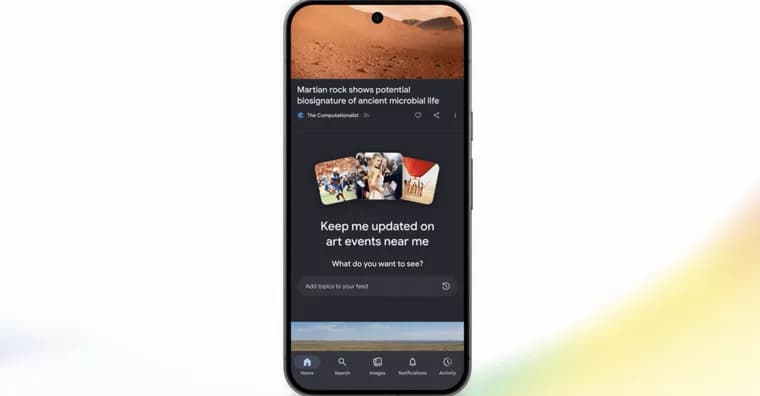
Google is adding a new way to customize the Discover feed inside the Google app: a chatbot-style interface that lets a person describe, in their own words, what kind of content they want to see. The feature is rolling out to the Google app over the coming days. Once live, it appears inside the three-dot menu on the Discover feed. Tapping it opens a chat window where the user types out preferences; the chatbot then confirms what it understood and lists the categories of content it plans to prioritize, with an option to add more detail if the summary is not quite right. Tapping a Refresh your feed button applies the change, and the AI is meant to remember the stated preferences for future visits rather than only inferring them from behavior.
Discover normally recommends articles based on a user's activity across Google Search and other Google apps; the new option is meant to make it easier to control that feed directly, according to the report. Several social platforms already offer comparable AI-driven feed customization, including YouTube, Instagram, Bluesky and X.
Google paired the Discover update with two related changes. In the Google News app on Android, users will be able to personalize their daily audio briefings. And Preferred Sources, an existing feature that surfaces favorite outlets across Search's top stories section, AI Overviews and AI Mode, is being extended so publishers can place an interactive Preferred Sources button on their own websites; a reader can select it to add that outlet to their list without leaving the page.
Key facts
- Google is rolling out a chatbot-style tool in the Google app's Discover feed that lets users describe what they want to see, arriving within the coming days.
- The tool sits in the three-dot menu; the chatbot confirms the stated preferences and lists which content types it will prioritize before the user taps Refresh your feed.
- YouTube, Instagram, Bluesky and X already have their own AI-driven feed customization options.
- The Google News app on Android is gaining the ability to personalize daily audio briefings.
- Preferred Sources is being extended so publishers can add an interactive button to their own sites, letting readers add that outlet to their preferred list without leaving the page.
Why it matters
Discover has mostly worked as a passive recommendation feed, built from what a user searches for and taps on across Google's apps. Letting people state their preferences directly, and having the system remember that choice for future visits, is a more explicit control than adjusting a feed only through browsing behavior. It also puts Google in line with a broader shift already visible on YouTube, Instagram, Bluesky and X, where a chat-style prompt lets the reader, not just the algorithm, describe what should show up. Applying that pattern to Discover, one of the largest content-recommendation surfaces Google runs, suggests direct preference-setting is becoming a standard expectation for feed products generally.
Who it affects
Anyone using the Google app who browses the Discover feed gains the new chatbot-based control. Android users specifically gain the separate option to personalize daily audio briefings in the Google News app. Publishers also gain a new tool: adding an interactive Preferred Sources button to their own websites lets a reader add that outlet to a personal list, extending the existing Preferred Sources feature that already surfaces favorite outlets across Search's top stories, AI Overviews and AI Mode.
How to use it
The option will sit inside the three-dot menu on the Discover feed. Tapping it opens a chatbot-style box where a user types out what they want to see. The chatbot confirms its understanding and lists the content categories it plans to prioritize, and the user can add more detail if that summary is not quite right. Tapping Refresh your feed applies the change. Google has given no firm date beyond the coming days, and has not said whether the rollout is limited to particular countries or languages.
How solid is it
The description comes from Google's own announcement and a demo video the company shared, as reported by The Verge, rather than from independent hands-on testing, since the feature had not finished rolling out at the time of the report. Google did not name the AI system behind the chatbot interface, and no company spokesperson or executive is quoted.
Risks and caveats
Google has not said how long the stated preferences are stored, or whether they feed into anything beyond the Discover feed itself, such as ad targeting elsewhere in its products. The rollout window is vague, and regional or language availability is not addressed, so the actual experience could vary by market.