Jaguar Land Rover debuts Range Rover Electric, starting at $138,000
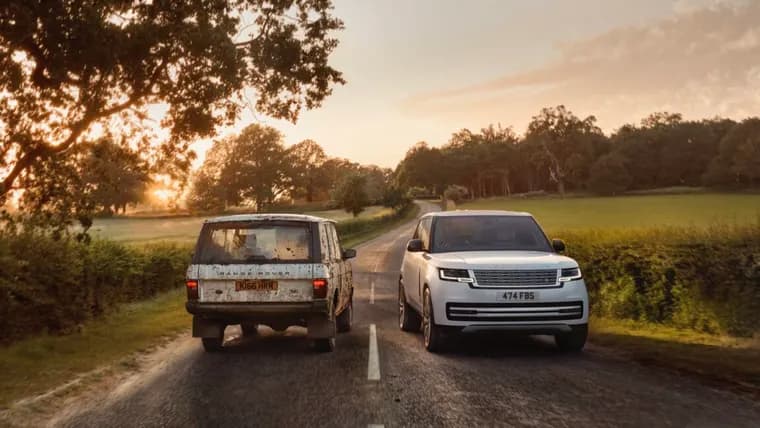
Jaguar Land Rover has debuted the Range Rover Electric, a new battery-electric version of the Range Rover that will be sold alongside the existing combustion-engine and plug-in hybrid models rather than replacing them. Until now the only way to get a fully electric Range Rover was a restomod conversion of a classic model, which drives like an old car and can be very expensive. The 2027 Range Rover Electric starts at $138,000, about half the cost of a restomod, and comes with modern safety systems including airbags, driver assistance features and current crash protection standards, plus the warranty and support of a major automaker. JLR told Ars Technica it already has 80,000 people who have registered interest in the car, half of them in North America, 70 percent of them new to the Range Rover brand, and 20 percent already owning an EV; the article notes only some fraction of these will actually turn into sales. Visually the Range Rover Electric was designed to read as a Range Rover first and an EV second: it looks almost identical to the combustion and hybrid versions, aside from a slightly more aerodynamic front grille, more aero-efficient wheels, a flat underbody and the absence of tailpipes. Underneath, it uses JLR's existing MLA platform, which was built more than a decade ago to accommodate different powertrains. The battery-electric version weighs only 165 lbs (75 kg) more than the V8 model, because removing the front, center and rear differentials and their driveshafts saves almost as much weight as the battery and drive units add. The front and rear axles each get an identical permanent-magnet synchronous motor rated at 349 hp (260 kW); JLR considered adding a separate front-induction motor but dropped it over heat management concerns. Combined output is 542 hp (404 kW) and 627 lb-ft (850 Nm) of torque. The article does not give range, battery capacity or charging time figures, and does not name a specific calendar date for the debut beyond stating it happened on the day of publication.
Key facts
- The 2027 Range Rover Electric starts at $138,000, about half the cost of a restomod conversion of a classic Range Rover to electric
- JLR says it already has 80,000 hand-raisers for the car: half from North America, 70 percent new to the brand, 20 percent already EV owners
- It weighs only 165 lbs (75 kg) more than the V8 Range Rover, since dropping the differentials and driveshafts offsets most of the added battery and motor weight
- The front and rear motors are identical 349 hp (260 kW) units, for a combined 542 hp (404 kW) and 627 lb-ft (850 Nm)
- A front-induction motor was considered but dropped due to heat management concerns
Why it matters
Range Rover is adding a battery-electric variant rather than converting the lineup to EV-only, keeping combustion and plug-in hybrid versions in production alongside it. That is notable for a brand that was among the first automakers to announce a move away from combustion engines, on a timeline that has since slipped. It also closes a gap: before this, a buyer wanting a fully electric Range Rover had to pay for a restomod conversion of an older model, accepting an old car's driving dynamics and safety limitations to get there.
Who it affects
Buyers who previously had to choose a restomod for a fully electric Range Rover now have a factory option backed by JLR's warranty and current safety systems. JLR's own figures suggest the car is pulling in people beyond its existing customer base: of the 80,000 hand-raisers, 70 percent are new to the brand and a fifth already own an EV, meaning it is competing for buyers already shopping other electric SUVs, not just retaining loyal Range Rover owners.
How to use it
The 2027 Range Rover Electric starts at $138,000. It sits alongside Range Rover's existing combustion and plug-in hybrid lineup rather than replacing it, and is built on JLR's MLA architecture, which was designed over a decade ago to support multiple types of powertrain. The article does not give a range, battery capacity or charging time, and gives no specific calendar date for availability beyond noting the debut happened on the day the piece was published.
How solid is it
This is a hands-on account: Ars Technica reports having seen and driven the car, and the powertrain and weight figures are attributed directly to JLR or observed by the outlet. The reservation numbers (80,000 hand-raisers and the associated percentages) are JLR's own disclosed figures, not independently verified, and the article itself flags that only some fraction of them will become sales.
Risks and caveats
The 80,000-reservation figure is a measure of expressed interest, not confirmed sales, and the acknowledgment that only a fraction converts is the article's own caveat, not outside skepticism. JLR dropped a front-induction motor design over heat management concerns, an engineering tradeoff rather than a finished, road-tested feature. No range, battery size or charging specs are disclosed here, which limits how directly the electric version can yet be compared with the combustion and hybrid models it sits alongside.