Judge denies xAI's bid to dismiss NAACP suit over Colossus turbines
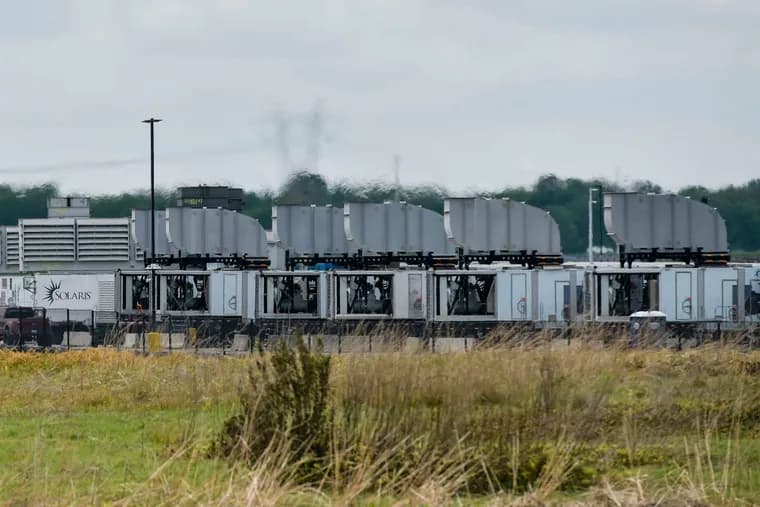
A federal judge has denied a motion by xAI to dismiss an NAACP lawsuit over the gas turbines that power its Colossus data center outside Memphis. The suit accuses the company, described as SpaceX-owned, of failing to obtain the permits needed to operate them. It also accuses xAI of violating the Clean Air Act.
The Southern Environmental Law Center, suing on behalf of the NAACP, says xAI "installed and operated at least 35 combustion turbines and other sources of air pollution at the Colossus site without ever obtaining the necessary preconstruction or operating air permits." The figure of at least 35 is the plaintiffs' allegation, not a finding by the court.
xAI asked for dismissal on two main grounds. It argued that the turbines are exempt from permitting requirements because they are mobile, and that the plaintiffs did not have standing to sue. It also claimed that this kind of citizen lawsuit is unconstitutional.
Judge Debra M. Brown rejected the arguments. She wrote: "Because the plaintiffs have statutory standing under the Clean Air Act, because the combustion turbines are not 'mobile sources' under Mississippi's [State Implementation Plan], and because the citizen suit provision does not violate Article II of the Constitution or the private nondelegation doctrine, the plaintiffs' claims will proceed." On the constitutional point, she wrote that because citizen suit plaintiffs sue on their own behalf, in their own name, and seek penalties that redress harm to themselves, they are not exercising the federal government's executive power.
Abre' Connor, the NAACP's director of environmental and climate justice, called the ruling "another important victory in our effort to hold xAI accountable." A similar motion to dismiss from the Department of Justice was denied earlier this month. Connor said the courts have repeatedly rejected attempts by xAI and the DOJ to dismiss the case, and that the NAACP's position is clear: xAI cannot operate gas turbines without the required permits.
TechCrunch has reached out to SpaceX for comment. The article places the case against a wider backdrop: public opinion seems to have turned sharply against data centers, New York recently passed a moratorium on new data centers, and other state and local governments are considering similar measures. The backlash also prompted Amazon and Microsoft to promise to stop using NDAs in their dealings with government agencies, and it could be a significant factor in the imminent U.S. midterm elections.
Key facts
- A federal judge, Debra M. Brown, denied xAI's motion to dismiss an NAACP lawsuit over gas turbines at the Colossus data center outside Memphis.
- The Southern Environmental Law Center, suing for the NAACP, alleges xAI operated at least 35 combustion turbines and other pollution sources without preconstruction or operating air permits, and accuses it of violating the Clean Air Act.
- xAI argued the turbines are exempt as mobile, that the plaintiffs lacked standing, and that citizen suits are unconstitutional; the judge rejected all three.
- A similar motion to dismiss from the Department of Justice was denied earlier this month.
- TechCrunch has asked SpaceX for comment; the article ties the case to growing public opposition to data centers.
Why it matters
The ruling keeps alive a Clean Air Act case against one of the best-known AI data center builds. The judge held that the turbines are not 'mobile sources' under Mississippi's State Implementation Plan, which undercuts xAI's exemption argument, and that citizen suits do not violate Article II or the private nondelegation doctrine. TechCrunch notes the case is moving forward while opinion on data centers is turning sharply negative, with a New York moratorium on new data centers and similar measures under consideration elsewhere.
Who it affects
xAI and its owner SpaceX, which now face the claims going forward. The NAACP and the Southern Environmental Law Center, who brought the suit. Communities near Colossus outside Memphis, whom Connor describes as impacted by pollution. More broadly, other data center operators and state and local governments weighing restrictions, as the article frames the case within a wider backlash.
How to use it
There is nothing to apply directly. For readers tracking data center policy, the useful takeaways are the three grounds the judge gave for letting the claims proceed: statutory standing under the Clean Air Act, the finding that the turbines are not 'mobile sources' under Mississippi's State Implementation Plan, and the rejection of the constitutional challenge to citizen suits.
How solid is it
The reporting rests on the judge's quoted decision and statements from the NAACP's Abre' Connor. TechCrunch says it has reached out to SpaceX for comment, and no response from xAI or SpaceX is given. The ruling date is not stated in the article.
Risks and caveats
This is a denial of a motion to dismiss. It does not decide the merits or find xAI liable. The figure of at least 35 turbines is the plaintiffs' allegation, not a court finding. The article does not say whether xAI will appeal, whether the turbines must stop operating, or what penalties are sought.
“another important victory in our effort to hold xAI accountable.”
— Abre' Connor, the NAACP's director of environmental and climate justice