OpenAI updates GPT-5.6 Sol, expands Luna for free ChatGPT users
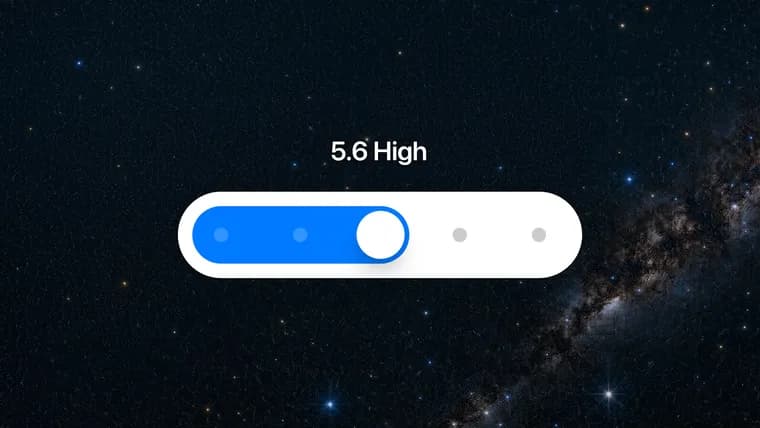
OpenAI updated GPT-5.6 Sol, the model behind the Chat experience in ChatGPT, for Plus and Pro subscribers. The goal is more reliable, focused answers: the model is meant to make fewer mistakes on questions that depend on dates, numbers, sources, rules or assumptions, to keep responses tighter, and to push back with a correction when simply agreeing would not help. A new slider, available on web, mobile and desktop starting the day of the announcement, lets Plus and Pro users choose how much thought ChatGPT puts into a given answer, from quick everyday questions up to planning, research, writing, coding or harder decisions. The same GPT-5.6 Sol model now powers both Instant and deeper reasoning responses for these users, replacing the previous split between GPT-5.5 Instant and a separate thinking mode with one consistent model and tone.
OpenAI backs the reliability claim with an internal evaluation on financial, medical and legal prompts requiring factual detail: compared with GPT-5.5 Instant, responses containing at least one factual error were about 62% less common with GPT-5.6 Luna and about 68% less common with GPT-5.6 Sol. The company does not disclose the evaluation's methodology, sample size or date, and does not claim the reduction generalizes beyond those three domains.
For Free and Go users, GPT-5.6 Luna becomes the default model this week. Starting next week, these users also get unlimited text chats (removing the previous rate limit, subject to abuse guardrails) and a new Think button that gives Luna more time to work through harder questions. Limits still apply to file uploads, images and other tools; OpenAI does not mention any change to pricing or subscription tiers.
The update is scoped narrowly: this version of GPT-5.6 Sol is optimized for everyday chat and is only available in ChatGPT's Chat experience, not in the versions of Sol that power ChatGPT Work or Codex, which are unchanged by this release. ChatGPT sees about 1 billion people turning to it every week. Alongside the model changes, OpenAI says it added safety training and system-level protections for users it believes are under 18, including training the model to avoid romantic roleplay, age-restricted challenges and presenting itself as a substitute for real-world relationships, plus age-appropriate boundaries around sexual content, eating disorders and body-image risks, age-restricted goods, dangerous activities and graphic violence, with encouragement to connect with trusted people when a teen may need support.
Key facts
- OpenAI updated GPT-5.6 Sol in ChatGPT for Plus and Pro users, adding a slider to control reasoning effort and merging Instant and Thinking into one consistent model and tone.
- In an internal evaluation on financial, medical and legal prompts, responses with at least one factual error were about 62% less common with GPT-5.6 Luna and about 68% less common with GPT-5.6 Sol than with GPT-5.5 Instant.
- GPT-5.6 Luna becomes the default model for Free and Go users this week; unlimited text chats and a new Think button follow next week, subject to abuse guardrails, while file, image and other tool limits remain.
- ChatGPT gets about 1 billion weekly users; the version of GPT-5.6 Sol that powers ChatGPT Work and Codex is not changed by this release.
- OpenAI added safety training and system-level protections for users believed to be under 18, including limits on romantic roleplay and other age-restricted content.
Why it matters
ChatGPT reaches about 1 billion people a week, so even a modest reduction in factual errors compounds at scale, and OpenAI reports a large one on prompts that matter most when wrong: financial, medical and legal questions. The same release also removes the text-chat rate limit for the free tier, widening who gets a frontier-grade model rather than just paid subscribers.
Who it affects
Plus and Pro users get the updated GPT-5.6 Sol and the new effort slider immediately. Free and Go users get GPT-5.6 Luna as their default model this week, with unlimited text chats and a Think button following next week. Enterprise-style usage is untouched: the GPT-5.6 Sol that powers ChatGPT Work and Codex does not change. OpenAI also singles out users it believes are under 18 for additional safety constraints.
How to use it
Plus and Pro subscribers can already use the slider in ChatGPT on web, mobile and desktop to dial reasoning effort up or down per question. Free and Go users will see Luna become their default this week; unlimited text chats and the Think button arrive next week, subject to abuse guardrails, while file uploads, images and other tools stay limited. No pricing or subscription changes are mentioned.
How solid is it
The source is OpenAI's own announcement, written in institutional voice with no named author or spokesperson. The headline 62% and 68% error-reduction figures come from an internal evaluation OpenAI does not detail: no methodology, sample size or evaluation date is given, and OpenAI does not claim the results extend beyond the financial, medical and legal prompts it tested.
Risks and caveats
The reliability numbers are self-reported and unverifiable from the outside. "Unlimited" applies only to text chats; file uploads, images and other tools remain capped, and no specific limit figures are given. Rollout timing is relative ("this week", "next week") rather than dated, and the new Think button and unlimited chats are explicitly subject to unspecified abuse guardrails. The under-18 safety measures are described only at a high level, with no detail on how they are enforced or evaluated.
“Access shapes opportunity, and this update gives more people the ability to keep asking, develop an idea, and get help when they need it.”
— OpenAI