Sam Altman says RAM is better off in data centers than on your desk
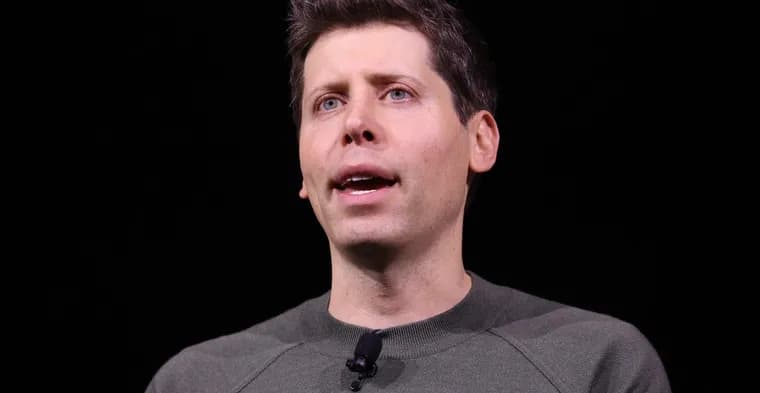
Asked about supply chain shortages, including the ongoing RAM shortage, OpenAI CEO Sam Altman said in an interview that it is "terrible" to have RAM in personal PCs instead of data centers. He was speaking on the Cheeky Pint podcast, where he also commented on AI's impact on math.
Altman started from a popular assumption. In his words, a lot of people want local inference, and they assume the problem is solved because open-source models will let them run AI on their own computers, so the data center will not be needed. He disagreed. "But from a global allocation perspective, actually, it’s quite terrible to have everybody have a bunch of the world’s limited supply of DRAM sitting in their own computer and being used five percent of the time." The five percent figure is Altman's own characterization; no data is cited for it. His conclusion was that in a supply constrained environment you want maximum utilization in the cloud, and that many people's intuition runs the opposite way.
The Verge frames the remarks against OpenAI's buying spree, which it says squeezes the world's RAM supply, and describes the interview as the CEO explaining why he needs so much. Altman's quoted remarks themselves do not mention OpenAI's own purchases. The Verge's author adds that it is unclear whether Altman meant a gaming PC, developers working on something like the Surface RTX Spark Dev Box, or the new touchscreen MacBook Pro; in the author's view the outcome is the same either way.
The Verge's own account of the market: memory companies Samsung and SK Hynix have long term deals with cloud service operators and projects like OpenAI's Stargate that have reserved much of the world's RAM output over the next few years. The Verge also says the billions those buyers are willing to lay out for chips is why laptops, phones and other tech are getting more expensive right now.
Key facts
- Sam Altman, OpenAI CEO, said on the Cheeky Pint podcast that it is "terrible" to have RAM in personal PCs instead of data centers.
- His argument: with DRAM supply limited, memory in personal computers is used about five percent of the time (his characterization, with no data cited), while the cloud can run it at maximum utilization.
- He pushed back on the idea that open-source models running locally remove the need for data center capacity.
- The Verge says Samsung and SK Hynix have long term deals with cloud operators and projects like OpenAI's Stargate that have reserved much of the world's RAM output over the next few years.
- The Verge ties those chip purchases to rising prices for laptops, phones and other devices.
Why it matters
The RAM shortage is one of the forces behind higher device prices, according to The Verge, and here the head of one of the biggest buyers makes the case for how the scarce supply should be used. Altman's claim is that centralised, highly utilised cloud memory is a better use of limited DRAM than memory spread across personal machines. That cuts against the appeal of local inference with open-source models. No new product or data comes with the remarks; it is a position statement.
Who it affects
Anyone who wants to run AI models on their own computer, since Altman's argument is aimed at that idea. Buyers of laptops, phones and other devices, which The Verge says are getting more expensive because of the money going into chips. Cloud operators and projects like Stargate, and memory makers Samsung and SK Hynix, which are party to the long term supply deals the article describes.
How to use it
There is nothing to adopt here; it is a statement of opinion, not a product, tool or policy. The practical reading is as context for the debate over local versus cloud inference and for the memory market behind device pricing.
How solid is it
The quotes come from Altman's own podcast appearance as reported by The Verge, so the position is firmly his. The five percent utilization figure is his characterization, and no data or study is cited for it. The claims about Samsung and SK Hynix reserving much of the world's RAM output, and about device prices, are the Verge author's own statements, with no figures for deal sizes, RAM purchased or price increases. The article gives no date for the interview.
Risks and caveats
The remarks come from the CEO of a company that is a large buyer of memory and a cloud AI provider, and they argue for the model of use that suits cloud providers; the source itself offers no counter-view or reaction from Samsung, SK Hynix or other companies. The Verge's framing that Altman is explaining "why he needs so much" is the publication's, not Altman's: his quoted comments do not mention OpenAI's own purchases. Which devices Altman had in mind is the Verge author's speculation.
“But from a global allocation perspective, actually, it’s quite terrible to have everybody have a bunch of the world’s limited supply of DRAM sitting in their own computer and being used five percent of the time.”
— Sam Altman, OpenAI CEO, on the Cheeky Pint podcast