Taiwan indicts nine, reportedly including Nvidia manager, over AI server smuggling to China
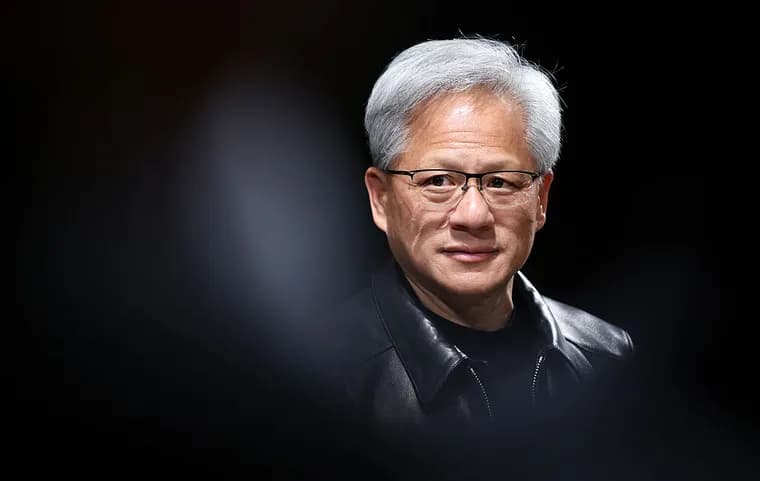
Taiwan has indicted nine people in connection with a scheme to smuggle high-end AI servers to China in violation of US export controls. Reuters reported the indictment on Monday, citing prosecutors in Keelung, Taiwan, who confirmed the suspects were charged with breach of trust and document forgery but did not release any of their names. The nine reportedly include a senior manager at Nvidia and two Taiwan-based employees of Supermicro.
The case grew out of a broader US investigation. Since 2022, the US has required a license to export semiconductors to China, a policy meant to protect national security by keeping China behind in the AI race. In March, US authorities arrested Supermicro co-founder Wally Liaw, accusing him of funneling $2.5 billion worth of restricted AI servers to China since 2024. Taiwan opened its own investigation after that arrest to learn more about the scheme.
According to Taiwan's investigation, the co-conspirators falsified paperwork to make it look as though 130 B300 servers were installed and running at a facility in Taiwan. In reality, 74 of those servers were exported and delivered to customers in China, while the remaining 56 were also intended for China but were blocked after Taiwanese customs officials detected irregularities.
A separate suspect connected to a related case remains at large, accused of siphoning funds from a distributor company involved in the scheme.
Supermicro said in a statement to PC Mag that it is cooperating with Taiwanese investigators: "Supermicro is committed to protecting our advanced technologies and intellectual property. We are working closely with Taiwanese authorities on recent events, which underscore the importance of continued collaboration across industry and government to strengthen safeguards, enhance supply chain visibility, and facilitate the enforcement of export control laws." Ars Technica said it could not reach Supermicro or Nvidia for comment on this indictment.
Key facts
- Taiwan indicted nine people, reportedly including a senior Nvidia manager and two Taiwan-based Supermicro employees, charged with breach of trust and document forgery.
- Prosecutors in Keelung confirmed the charges to Reuters on Monday but did not release any of the suspects' names.
- Co-conspirators allegedly falsified documents to make 130 B300 servers appear installed in Taiwan; 74 were actually shipped to Chinese customers and 56 were intercepted by Taiwanese customs.
- The case follows the March arrest of Supermicro co-founder Wally Liaw in the US over an alleged $2.5 billion scheme to funnel restricted AI servers to China since 2024.
- A separate suspect tied to a related case remains at large, accused of siphoning funds from a distributor company; Supermicro says it is cooperating with Taiwanese investigators.
Why it matters
This widens a US-led crackdown on AI chip smuggling into an enforcement action brought by Taiwan itself. It reportedly names a manager at Nvidia and two employees at Supermicro's Taiwan operation, not just company leadership. The case follows the March arrest of Supermicro co-founder Wally Liaw in the US over the same underlying scheme, an alleged $2.5 billion diversion of restricted AI servers to China since 2024. The alleged method matters too: falsifying paperwork to make exported servers look like they were installed and running in Taiwan exposes a specific weakness in how export controls get verified after a sale.
Who it affects
Nvidia and Supermicro face fresh reputational exposure in Taiwan, even though neither company has been charged and Ars Technica could not reach either for comment on this indictment. Taiwanese officials and distributors handling high-end AI hardware exports are under direct scrutiny, including the unnamed distributor company tied to the suspect still at large. Any supplier moving Nvidia AI servers through Taiwan should expect closer document checks going forward. US and Taiwanese authorities pursuing the broader Wally Liaw case also gain another data point on how servers get diverted to China.
How to use it
There is no product or service to use here. The practical takeaway is for compliance and supply-chain teams handling high-end Nvidia AI hardware: paperwork claiming servers are installed and running domestically can be falsified, so it does not by itself confirm where hardware ended up. Taiwanese customs has also shown it can catch some diverted shipments, 56 of the 130 servers in this case, before they leave the country. Anyone following the broader Wally Liaw prosecution should watch for whether Taiwan releases the nine suspects' names or brings the case to trial.
How solid is it
The story rests on a single Reuters report, filed Monday, citing prosecutors in Keelung. Those prosecutors confirmed the charges, breach of trust and document forgery, and the server counts, but did not release any suspect's name. That means the detail that the nine reportedly include an Nvidia manager and two Supermicro employees is attributed reporting, not a fact confirmed by name from the prosecutors themselves. Supermicro's quoted statement, given to PC Mag, addresses its cooperation with investigators in general rather than responding to this specific indictment, and Ars Technica says it could not reach Supermicro or Nvidia directly for comment.
Risks and caveats
None of the nine indicted are named, and the source does not say whether they have been arrested, taken into custody, or what penalties they could face. There is no court name or case number given, and no date for when the 130 servers were shipped or when customs intercepted the 56 that were blocked. A related suspect accused of siphoning funds from a distributor company remains at large, so the case is still unfolding and further details could change the picture.
“We are working closely with Taiwanese authorities on recent events, which underscore the importance of continued collaboration across industry and government to strengthen safeguards, enhance supply chain visibility, and facilitate the enforcement of export control laws.”
— Supermicro, in a statement to PC Mag