Tesla deploys driverless Cybercab, faces federal safety probe
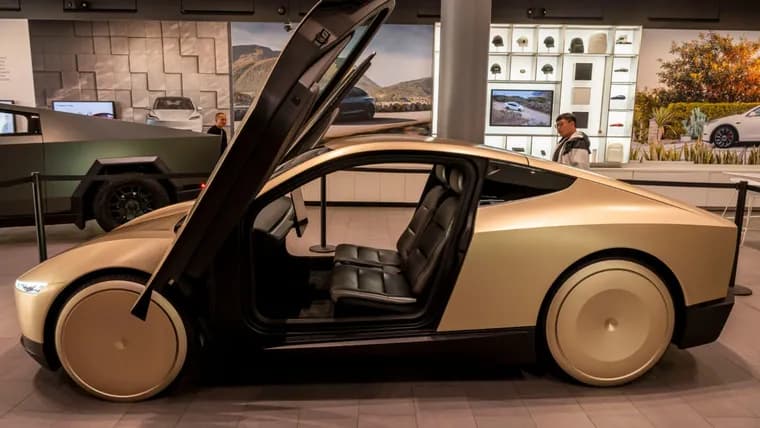
Tesla's Cybercab, a two-seat vehicle built without a steering wheel or brake pedals, is set to start picking up members of the public in two US states as part of Tesla's Robotaxi ride-hail network, which currently runs in a handful of cities in Texas and Florida. The source does not name the two states.
The investigation opened just hours after Tesla brought hundreds of fans to downtown Austin to ride in the driverless Cybercabs. The US federal government is now probing whether the vehicle meets federal safety standards; the source does not state what triggered the probe or what it could lead to, and does not quote any government official, Tesla spokesperson or Zoox representative.
The scrutiny lands in the middle of a rule change already underway. The National Highway Traffic Safety Administration is updating vehicle standards to make it easier and faster for driverless cars to reach public roads, and is currently tweaking eight rules, including ones requiring parts a driverless car does not need: brake pedals, windshield wipers and rearview mirrors. For now, though, the years-old standards remain in force. Companies whose vehicles are unusually shaped have been told to apply for a federal exemption before they start picking up passengers; Amazon's Zoox, whose vehicles also lack a steering wheel and manual controls, won the first such exemption this summer, which caps its operations at 2,500 vehicles this year. Tesla, by contrast, has said it does not need an exemption because its vehicles already comply with all existing safety standards.
Key facts
- Tesla's Cybercab, a two-seat driverless vehicle without a steering wheel or brake pedals, is set to start picking up members of the public in two US states as part of Tesla's Robotaxi ride-hail network, which currently operates in a handful of cities in Texas and Florida.
- The US federal government opened an investigation into whether the Cybercab meets federal safety standards, just hours after Tesla brought hundreds of fans to downtown Austin to ride in the driverless vehicles.
- NHTSA is updating vehicle standards to ease driverless-car deployment and is currently tweaking eight rules, including ones requiring brake pedals, windshield wipers and rearview mirrors, but the years-old standards remain in force for now.
- Unusually shaped robotaxi companies have been told to apply for a federal exemption before carrying passengers; Amazon's Zoox won the first such exemption this summer, capped at 2,500 vehicles this year.
- Tesla says it does not need an exemption because its vehicles comply with all existing safety standards.
Why it matters
Tesla is putting a mass-market vehicle with no steering wheel or brake pedals in front of members of the public without seeking the kind of federal exemption a peer like Zoox needed, betting instead on its own claim of compliance with rules written for cars that have a driver. The case tests how far a manufacturer can push ahead of a rulebook that regulators themselves admit is out of date.
Who it affects
The members of the public in the two states where Cybercab rides are starting, Tesla's existing Robotaxi operations in Texas and Florida, the federal officials reviewing the vehicle, and rival robotaxi operators such as Zoox, which took the exemption route instead of asserting compliance.
How to use it
Tesla plans to offer Cybercab rides through its Robotaxi ride-hail network, which already runs in a handful of Texas and Florida cities; the source does not name the two states where public rides are starting, nor does it give pricing or sign-up details, so those specifics are not yet public.
How solid is it
The account is a single Ars Technica report with no named officials, Tesla spokespeople or Zoox representatives quoted, and no direct quotes at all. It also does not identify which federal body opened the Cybercab investigation, attributing it only to "the US federal government"; NHTSA is mentioned separately, and only as the agency updating the underlying vehicle standards, not as the investigator.
Risks and caveats
What triggered the investigation and what it could produce, whether a recall, a fine or a grounding of the fleet, is not stated. Cybercab is operating under years-old safety standards while NHTSA works through an eight-rule update meant for exactly this kind of vehicle. Tesla is relying on its own compliance claim rather than a granted exemption, leaving open whether regulators will agree with that assessment.